
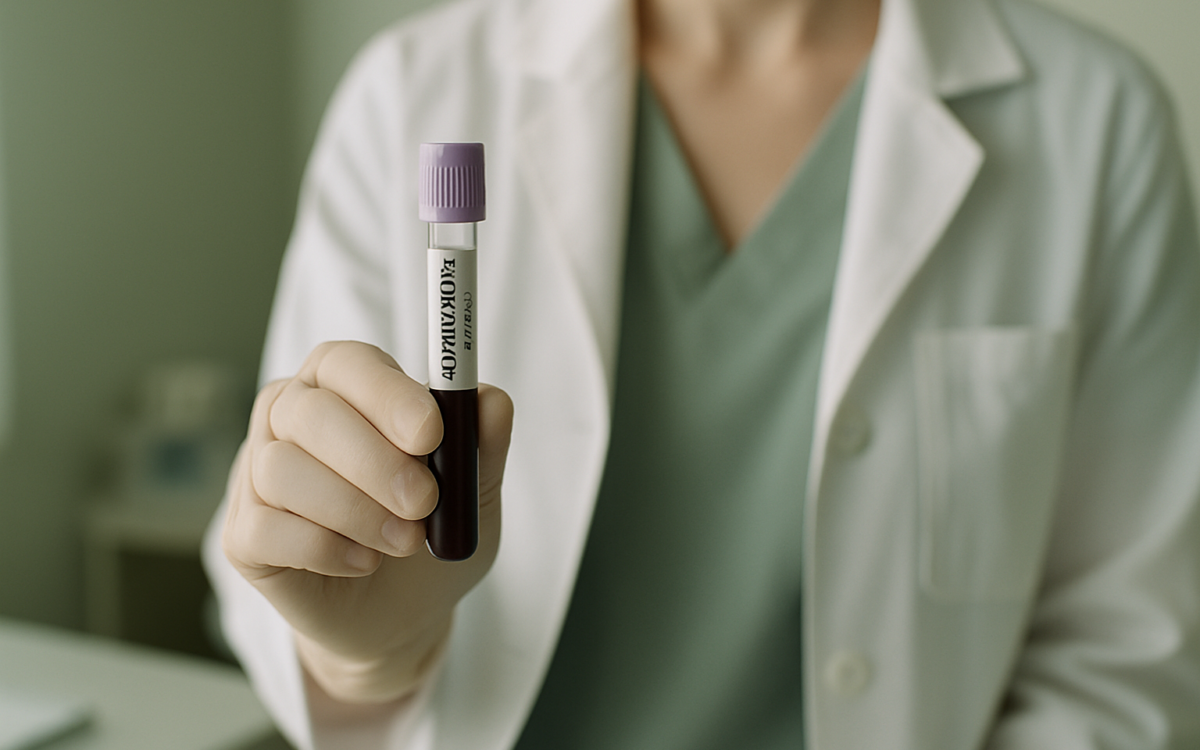
Have you heard about the Cologuard test? It’s making waves in the world of cancer screening, especially for colorectal cancer. Designed to be a non-invasive option, it uses a stool sample to check for signs of cancer and precancerous changes in the colon. This test can be a game-changer, particularly for those who may be at a higher risk or dislike traditional screening methods like colonoscopy. In this article, we’ll explore how the Cologuard test works, its benefits, what you should know before taking it, and when to consult a doctor.
What is Cologuard?
Cologuard is a type of stool DNA test that was developed to help detect colorectal cancer and advanced adenomas (precancerous growths in the colon). It is approved by the FDA and is recommended for individuals who are at average risk for colorectal cancer and are between the ages of 45 and 75.
The primary function of Cologuard is to identify abnormal DNA and blood in the stool, which can indicate the presence of cancerous or precancerous changes. If a positive result is received, a follow-up colonoscopy is typically recommended to confirm the findings.
How does the Cologuard test work?
The process of taking the Cologuard test is straightforward and can be done at home, making it convenient for many people. Here’s how it works:
- Sample Collection: You’ll receive a collection kit that includes everything needed to gather a stool sample. You just need to follow the instructions provided.
- Return the Sample: After collecting the sample, you’ll send it back to the laboratory for analysis.
- Testing: In the lab, technicians analyze the sample for specific DNA markers associated with colorectal cancer and look for any traces of blood.
- Results: Typically, results are available within a week. If the test is positive, your doctor will recommend a colonoscopy for further evaluation.
Benefits of the Cologuard test
Cologuard offers a few significant benefits that make it an appealing option for colorectal cancer screening:
- Non-invasive: Unlike a colonoscopy, which requires bowel preparation and sedation, Cologuard is non-invasive and simply involves a stool sample.
- Convenience: The test can be done in the privacy of your home, which may encourage more people to participate in regular screening.
- Early Detection: The test’s ability to catch cancer and precancerous conditions at an early stage can lead to better treatment outcomes.
Limitations of the Cologuard test
While Cologuard has many advantages, it’s essential to understand its limitations:
- False Positives: There is a chance of receiving a positive result even when there is no cancer present, which can lead to anxiety and unwanted procedures.
- Not for Everyone: Cologuard is not suitable for people with a personal history of colorectal cancer, certain genetic conditions, or inflammatory bowel disease.
- Regular Screening Needed: Cologuard is not a replacement for all colorectal cancer screening methods. It is recommended every three years.
Who should consider the Cologuard test?
Cologuard is recommended primarily for individuals aged 45 to 75 who are at average risk of developing colorectal cancer. Factors like family history, personal medical history, and lifestyle choices can influence your risk. If you fall into one or more high-risk categories, discussing your screening options with a healthcare provider is essential.
For those outside the United States, various health systems may offer similar testing methodologies. For example, some clinics may provide advanced screening techniques and personal health management options. Institutions like Acibadem International might have alternative screening practices that you can explore if you’re considering international treatment solutions.
When to see a doctor
If you experience symptoms like changes in bowel habits, blood in your stool, unexplained weight loss, or persistent abdominal pain, consult a doctor promptly. Even if you’re not due for a screening, these symptoms can indicate underlying health issues that require immediate attention.
Conclusion
The Cologuard blood test offers a new route for individuals at average risk of colorectal cancer to participate in regular screening. It combines convenience with innovative technology to detect cancer early when treatment options can be most effective. If you’re within the recommended age range and considering your options for cancer screening, Cologuard could be an excellent choice to discuss with your healthcare provider. Always remember that regular check-ups and preventive care are essential for long-term health.
