
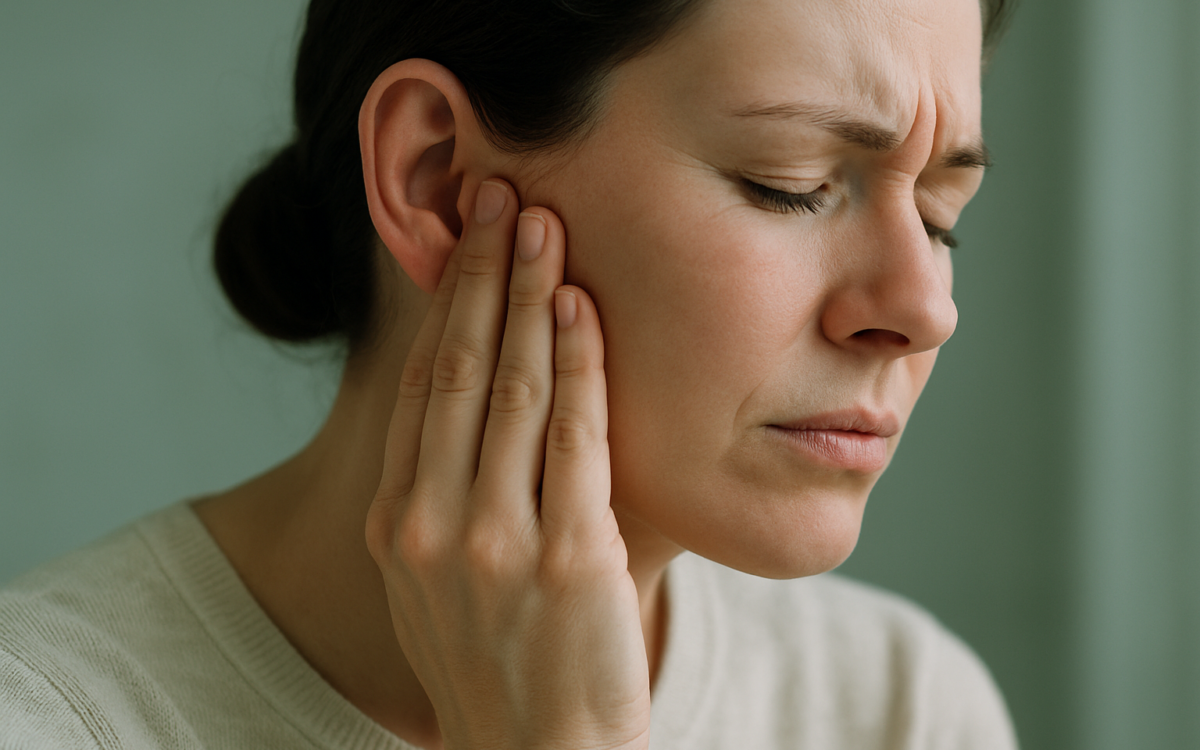
Experiencing jaw pain along with ear discomfort can be unsettling. These symptoms may appear unrelated, but they can often happen together due to a variety of causes. Understanding why your jaw hurts and why it might be accompanied by ear pain can help you pinpoint the issue and find relief.
Common Causes of Jaw Pain and Ear Discomfort
Several conditions can lead to both jaw pain and ear discomfort. Here are the most common causes:
TEMPOROMANDIBULAR JOINT DISORDER (TMJ)
One of the leading causes of jaw pain is TMJ, a condition affecting the joints that connect your jawbone to your skull. TMJ can result from various factors, including jaw injury, arthritis, or teeth grinding (bruxism). Many individuals with TMJ find that they also experience ear pain, a condition known as referred pain, where discomfort is felt in an area other than the source of the pain.
According to the National Institutes of Health, TMJ disorders can lead to difficulty chewing, stiffness in the jaw, and clicking or popping sounds when moving the jaw.
DENTAL ISSUES
Dental problems, such as cavities or an abscessed tooth, can also cause pain in the jaw that radiates to the ear. Infections or inflammation in the mouth can easily affect surrounding areas, leading to ear pain or discomfort. Taking care of your dental hygiene can help prevent these types of issues, and regular check-ups can catch problems before they become severe.
SINUS INFECTIONS
Sinusitis, or a sinus infection, occurs when your nasal passages become inflamed, often due to an infection or allergy. The sinuses are located near the jaw and can exert pressure that feels like jaw or ear pain. Other symptoms of sinusitis include facial pain or pressure, nasal congestion, and headaches. If your jaw and ear pain exists alongside these symptoms, a sinus infection could be the culprit.
EAR INFECTIONS
Ear infections usually occur when bacteria or viruses infect the middle ear, leading to significant discomfort. Pain from an ear infection can radiate to the jaw, mimicking jaw pain. Symptoms of an ear infection may include fever, irritability, and difficulty hearing. If you suspect an ear infection, it’s important to seek medical attention.
NECK AND SPINAL ISSUES
Problems with your neck or spine can also contribute to dental and jaw pain. Conditions like cervical spondylosis (age-related wear and tear of spinal discs) can cause pain that spreads to your jaw and ears. If you’ve been experiencing neck pain alongside jaw and ear discomfort, it may be time to evaluate your spinal health.
Exploring Your Symptoms
Understanding your symptoms can help identity the underlying cause of your jaw and ear pain. Here are key questions to ask yourself:
- When did the pain start?
- Is the pain constant or does it come and go?
- Are there specific movements or activities that make the pain worse?
- Do you have any other symptoms, such as headaches or fever?
- Have you experienced any recent dental work or injuries?
Answering these questions can help you and your doctor determine the best course of action.
At-Home Relief Strategies
If you are dealing with jaw and ear discomfort, there are several methods you can try for relief:
Heat or Cold Therapy
Applying heat or cold packs to the affected areas can help ease discomfort. A warm compress may relax tense muscles, while a cold pack can reduce inflammation.
Gentle Massaging
Gently massaging your jaw or surrounding muscles may alleviate tension. Be careful not to massage too hard, as this could exacerbate the pain.
Over-the-Counter Pain Relievers
Non-prescription medications, such as ibuprofen or acetaminophen, can help manage pain. Always follow the dosage instructions on the label or consult your doctor if unsure.
Practice Relaxation Techniques
Stress can contribute to teeth grinding and jaw tension. Engaging in practices like deep breathing, meditation, or gentle yoga can help reduce overall tension.
Preventive Measures
Taking steps to prevent jaw and ear pain can reduce the likelihood of recurring issues. Here are some practical tips:
- Maintain proper dental hygiene: Brush, floss, and visit your dentist regularly.
- Wear a nightguard: If you grind your teeth at night, consider a custom nightguard to protect your teeth and relieve jaw stress.
- Stay hydrated: Drinking plenty of water can help keep your body functioning well and can aid in alleviating headaches.
- Manage stress: Use techniques that work for you to reduce stress in daily life.
When to See a Doctor
While not all cases of jaw and ear pain require immediate medical attention, certain situations do warrant a visit to your doctor. Consider seeking medical help if:
- The pain is severe or persistent.
- You notice swelling around your jaw or ear.
- Your jaw locks or is difficult to open.
- You experience fever or other flu-like symptoms.
- The pain affects your day-to-day activities.
Conclusion
Jaw pain and ear discomfort may seem like separate issues, but they are often interconnected. Understanding their potential causes can help you address your symptoms effectively. Remember, if your discomfort persists or worsens, don’t hesitate to consult a healthcare professional for tailored advice and treatment options. Your health is worth it.
