
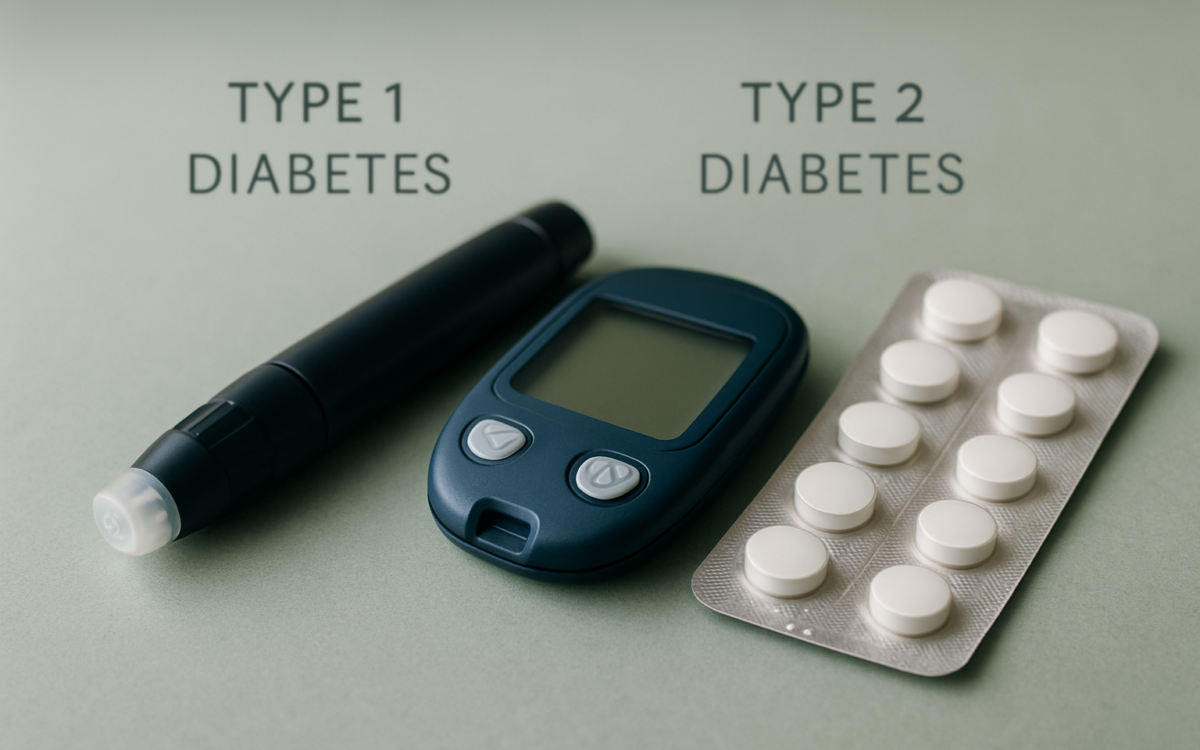
Diabetes mellitus is a chronic condition that affects how your body processes blood sugar (glucose). It comes in two main forms: Type 1 and Type 2 diabetes. Understanding the differences between these two types is essential for managing the disease effectively and maintaining overall health. In this article, we will explore the causes, symptoms, diagnosis, and treatment of Type 1 and Type 2 diabetes, as well as tips for living with these conditions.
What Is Diabetes Mellitus?
Diabetes mellitus is a term that refers to a group of diseases characterized by high levels of sugar in the blood. Normally, when you eat, your body converts food into glucose, which then enters your bloodstream. Insulin, a hormone produced by the pancreas, helps your body use glucose for energy. In diabetes, this process is disrupted. There are two main types of diabetes: Type 1 and Type 2.
Type 1 Diabetes: The Basics
Type 1 diabetes is an autoimmune condition that occurs when the body’s immune system mistakenly attacks and destroys the insulin-producing beta cells in the pancreas. This leads to little or no insulin production. It is often diagnosed in children and young adults, although it can develop at any age. Symptoms usually appear suddenly and can be severe.
Causes of Type 1 Diabetes
The exact cause of Type 1 diabetes is still unclear, but it is believed to involve a combination of genetic and environmental factors. Research indicates that certain viruses may trigger the autoimmune response in genetically predisposed individuals. For more detailed information on the causes of diabetes, you can visit the NIH.
Symptoms of Type 1 Diabetes
Common symptoms of Type 1 diabetes include:
- Increased thirst
- Frequent urination
- Extreme hunger
- Weight loss
- Fatigue
- Blurred vision
If left untreated, Type 1 diabetes can lead to serious health complications, including diabetic ketoacidosis—a life-threatening condition.
Type 2 Diabetes: The Essentials
Type 2 diabetes is the more common form of diabetes, accounting for about 90-95% of all diabetes cases. It occurs when the body either becomes resistant to insulin or doesn’t produce enough insulin to maintain normal blood sugar levels. Type 2 diabetes is often linked to lifestyle factors such as obesity, inactivity, and poor diet.
Causes of Type 2 Diabetes
Type 2 diabetes has multiple contributing factors, including:
- Being overweight or obese
- Physical inactivity
- Unhealthy diet
- Age (risk increases with age)
- Family history of diabetes
Unlike Type 1 diabetes, which is usually diagnosed in youth, Type 2 diabetes is more commonly diagnosed in adults, though it’s increasingly found in children and adolescents due to rising obesity rates. For more on risk factors, see the CDC.
Symptoms of Type 2 Diabetes
Symptoms of Type 2 diabetes can develop gradually and may be mild or absent in the early stages. These symptoms include:
- Increased thirst
- Frequent urination
- Extreme hunger
- Fatigue
- Blurred vision
- Slow-healing sores or frequent infections
Many people may not even realize they have Type 2 diabetes until complications arise.
Diagnosis of Diabetes
To diagnose diabetes, healthcare providers may conduct one or more blood tests, including:
- Fasting blood sugar test
- Oral glucose tolerance test
- A1C test (which measures average blood sugar levels over the past 2-3 months)
Each of these tests helps to determine whether a person has diabetes and, if so, what type it is. Early diagnosis can prevent serious complications.
Treatment Approaches for Type 1 and Type 2 Diabetes
The treatment approaches differ significantly between Type 1 and Type 2 diabetes:
Type 1 Diabetes Treatment
People with Type 1 diabetes need to take insulin every day, either via injections or an insulin pump, to manage their blood sugar levels. They must regularly monitor their blood glucose levels and adjust their insulin doses accordingly. Additionally, a balanced diet and regular physical activity are crucial for maintaining health.
Type 2 Diabetes Treatment
Management of Type 2 diabetes may include lifestyle changes such as:
- Improving diet (eating more whole foods, reducing sugar intake)
- Increasing physical activity
- Weight management
In some cases, medication or insulin therapy may be necessary to help control blood sugar levels. For more information on treatment options, visit the Mayo Clinic.
Living with Diabetes: Key Considerations
Managing diabetes effectively requires lifelong commitment. Here are some key considerations to keep in mind:
- Monitoring blood sugar levels regularly
- Following a healthy diet
- Engaging in regular physical activity
- Keeping regular appointments with healthcare providers
- Educating yourself about diabetes
By taking an active role in your health, you can live a full and vibrant life despite your diagnosis.
When to See a Doctor
If you experience symptoms of diabetes, it’s important to consult a healthcare professional promptly. Early diagnosis and treatment are vital in managing diabetes and preventing complications.
Conclusion
Understanding the differences between Type 1 and Type 2 diabetes is essential for effective management and treatment. While both share common symptoms and high blood sugar levels, their causes, risk factors, and treatment differ significantly. By knowing these differences, individuals can take proactive steps toward better health and reduce their risk of complications.
