
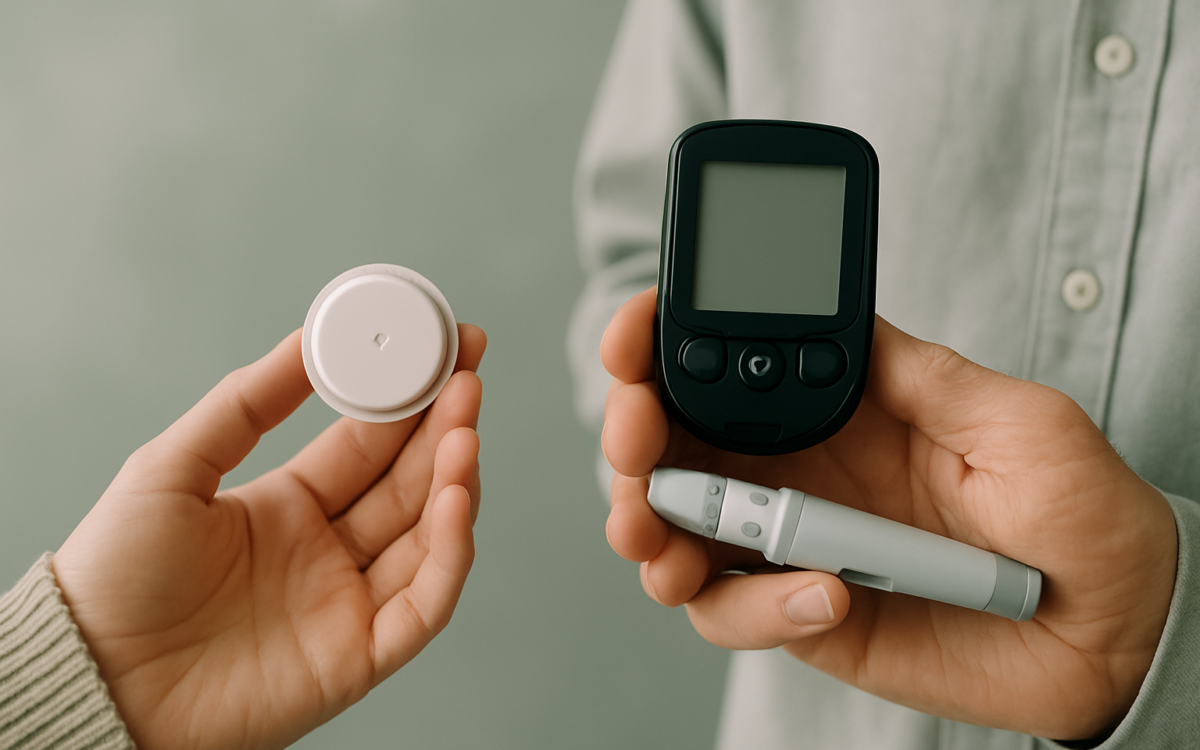
Diabetes is a chronic condition that affects how your body processes sugar (glucose), a vital energy source. It primarily comes in two forms: type 1 diabetes and type 2 diabetes. While both conditions affect blood glucose levels, their causes, symptoms, and treatment approaches are quite different. Understanding these differences is essential for effective management and care.
What is Type 1 Diabetes?
Type 1 diabetes is an autoimmune condition that usually develops in children and young adults, though it can appear at any age. In this form of diabetes, the body’s immune system mistakenly attacks and destroys insulin-producing cells in the pancreas. Without insulin, glucose cannot enter the cells, leading to high blood sugar levels.
What is Type 2 Diabetes?
Type 2 diabetes is more common and typically develops in adults, though it is increasingly being diagnosed in children and adolescents. This type occurs when the body becomes resistant to insulin or when the pancreas fails to produce enough insulin. Over time, excess weight, physical inactivity, and poor diet can play significant roles in the development of type 2 diabetes.
Key Differences in Causes
The primary cause of type 1 diabetes is still not fully understood, but genetics and autoimmune responses are key factors. In contrast, type 2 diabetes is often linked to lifestyle factors such as obesity, inactivity, and poor eating habits. The differences in these underlying causes lead to different risks, symptoms, and management strategies.
Common Symptoms
While both types of diabetes share some symptoms, such as excessive thirst, frequent urination, and fatigue, they can present differently:
- Type 1 Symptoms: Sudden weight loss, extreme fatigue, and blurred vision.
- Type 2 Symptoms: Gradual onset of symptoms, including increased hunger, darkened skin patches, and slow-healing sores.
Recognizing these symptoms early can lead to quicker diagnosis and better management.
Diagnosis and Testing
Diagnosing diabetes begins with blood tests, typically measuring blood sugar levels. The two most common tests include:
- Fasting Blood Sugar Test: Measures blood sugar after fasting for at least eight hours.
- Hemoglobin A1C Test: Indicates average blood sugar levels over the past two to three months.
Type 1 diabetes often requires immediate medical attention, while type 2 diabetes can be managed through lifestyle changes initially.
Treatment Approaches
The treatment plans for type 1 and type 2 diabetes vary significantly due to their different nature:
Type 1 Diabetes Treatment
Individuals with type 1 diabetes must take insulin daily because their bodies cannot produce it. This can be done through injections or insulin pumps. Blood sugar monitoring is critical, with frequent checks needed to manage levels effectively.
Type 2 Diabetes Treatment
People with type 2 diabetes may manage their condition through lifestyle changes such as improved diet, exercise, and weight management. If these measures are insufficient, oral medications or insulin therapy might be required. It’s essential to work closely with a healthcare provider to determine the best approach.
Living with Diabetes
Regardless of the type, living with diabetes involves ongoing management. This may include:
- Monitoring blood sugar levels regularly
- Adhering to a balanced diet
- Engaging in regular physical activity
Coping with the emotional aspects of diabetes is also crucial. Many resources are available, including support groups and counseling for those who need it.
When to See a Doctor
If you notice any signs of diabetes, such as excessive thirst, frequent urination, or unexplained weight changes, it’s essential to consult a healthcare professional. Regular check-ups are critical, especially if you have risk factors for type 2 diabetes, such as obesity or a family history of the condition.
Conclusion
Type 1 and type 2 diabetes are distinct conditions requiring specific approaches to care and management. Understanding the differences between them is vital for effective treatment and support. By staying informed and proactive, individuals can better manage their diabetes and lead healthier lives. For more information on diabetes, the National Institutes of Health, Centers for Disease Control and Prevention, and World Health Organization offer valuable resources.
