
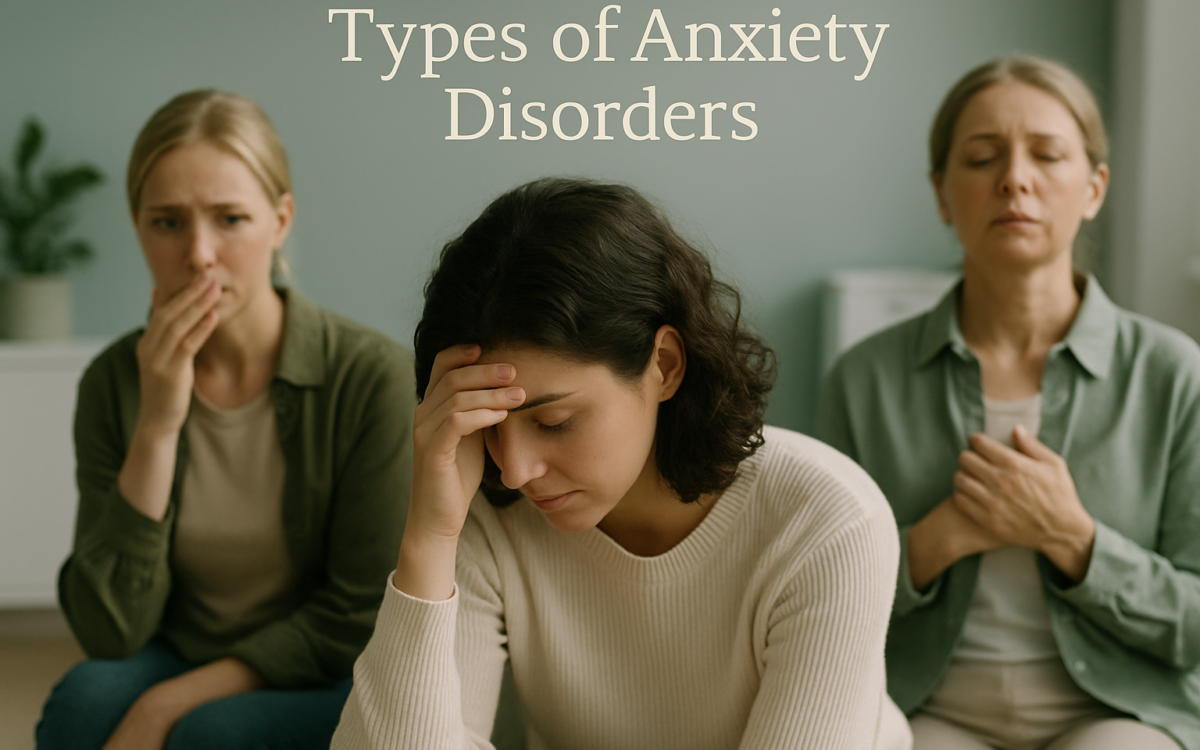
Anxiety can feel like an unwelcome guest that overstays its welcome. From a racing heart to an uneasy stomach, anxiety affects how we think, feel, and act. It’s a normal response to stress, but when anxiety spirals out of control, it can manifest into a variety of anxiety disorders. Understanding these different types can empower us to find better ways to cope with them.
Generalized Anxiety Disorder (GAD)
Generalized Anxiety Disorder, or GAD, is characterized by excessive anxiety or worry about various aspects of life. People with GAD find it challenging to control their anxiety, even when there is little or nothing to trigger it.
The symptoms can be wide-ranging and include:
- Restlessness or feeling keyed up or on edge
- Easily fatigued
- Difficulty concentrating or mind going blank
- Irritability
- Muscle tension
- Sleep disturbances
If you’re often worried about health, finances, or family issues without any real justification, you might be dealing with GAD. For more information on this disorder, you can visit the Mayo Clinic.
Panic Disorder
Panic Disorder involves recurrent and unexpected panic attacks. These sudden periods of intense fear or discomfort often include physical symptoms like a racing heart, shortness of breath, dizziness, and a feeling of losing control or impending doom.
Panic attacks can occur unexpectedly, even in calm situations. Due to the intense fear of experiencing more panic attacks, individuals may avoid places or situations where they previously had an attack. This avoidance can significantly limit their lives.
It’s crucial to recognize these patterns and seek help. You can find additional insights on panic disorders through resources like the NIH.
Social Anxiety Disorder
Social Anxiety Disorder (SAD), also known as social phobia, is marked by an intense fear of being judged or criticized in social situations. People with SAD often worry about embarrassing themselves in everyday activities, such as speaking in public, eating in front of others, or attending social gatherings.
Symptoms may include:
- Intense anxiety before social interactions
- Avoiding social situations
- Physical symptoms like sweating, blushing, or nausea when faced with social events
This disorder can greatly impact personal relationships and professional life, making it essential for individuals to seek support. More details can be found at the World Health Organization.
Obsessive-Compulsive Disorder (OCD)
Obsessive-Compulsive Disorder involves unwanted and recurring thoughts (obsessions) and/or behaviors (compulsions). Those with OCD may feel compelled to perform specific rituals to alleviate anxiety associated with their obsessions.
Common obsessions include fears of contamination, fears of harming others, or the need for symmetry. The compulsive behaviors could be excessive handwashing, counting, or checking things repeatedly.
Living with OCD can be exhausting, as these rituals often take up a significant amount of time and interfere with daily life. You can explore more about OCD through reputable sources like the Cleveland Clinic.
Specific Phobias
Specific Phobias are intense fears of certain objects or situations, such as heights, spiders, flying, or enclosed spaces. Exposure to the phobic stimulus can provoke significant anxiety, often leading to avoidance behavior.
Common symptoms include:
- Extreme fear or anxiety when exposed to the specific object or situation
- Physical reactions like sweating, trembling, or a rapid heartbeat
- Avoidance of the feared situation as much as possible
While some level of fear is natural, when these phobias lead to significant distress or impairment, professional help may be necessary.
When to See a Doctor
If you notice that anxiety is interfering with your daily life, such as impacting relationships, work, or school, it is essential to consult with a healthcare provider. Early intervention can improve outcomes and help you manage symptoms more effectively. Do not hesitate to reach out for support.
Understanding the various types of anxiety disorders is the first step towards gaining control. By recognizing your symptoms and seeking the right support, you can pave the way for healthier coping strategies and a better overall quality of life.
