
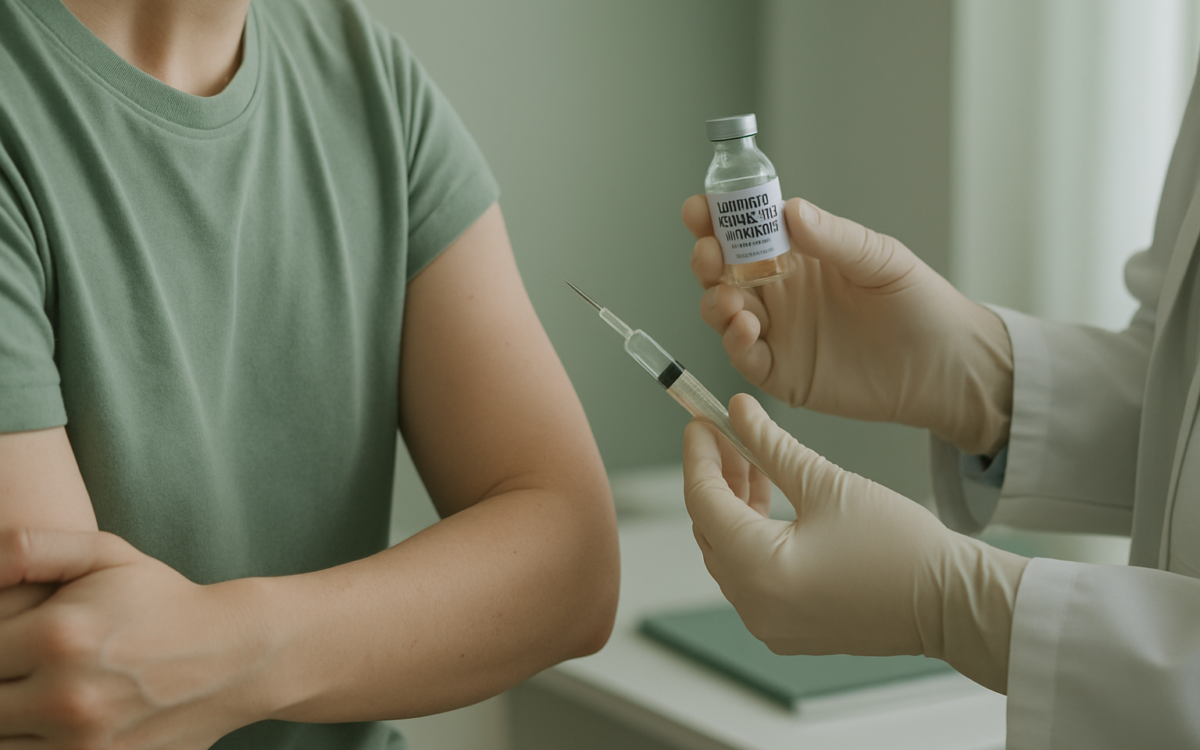
Vaccination plays a critical role in safeguarding public health, and the diphtheria, tetanus, and pertussis (DTP) vaccine is no exception. This combination vaccine protects against three serious diseases that can have grave consequences, especially for children. But how often do you actually need this vaccine? In this article, we will explore the vaccination schedule, the importance of staying up-to-date, and when you should consult a healthcare provider.
What Is the Diphtheria, Tetanus, and Pertussis Vaccine?
The diphtheria, tetanus, and pertussis vaccine is designed to prevent three infectious diseases:
- Diphtheria: A serious respiratory illness that can cause severe heart and nerve damage.
- Tetanus: Often known as lockjaw, tetanus is a bacterial infection that affects the nervous system and can lead to muscle stiffness.
- Pertussis: More commonly known as whooping cough, this is a highly contagious respiratory disease that can be especially dangerous for infants.
The vaccine is typically given in combination with other vaccines, such as the ones for polio and hepatitis B, to provide comprehensive protection during childhood.
Vaccine Schedule for Children
For children, the DTP vaccine is administered in a series of doses:
- First dose at 2 months of age
- Second dose at 4 months of age
- Third dose at 6 months of age
- Fourth dose at 15-18 months
- Fifth dose between 4 and 6 years of age
This schedule is based on guidelines from major health organizations like the CDC and aims to ensure full immunity during early childhood when risk of these diseases is highest.
Booster Shots for Adolescents and Adults
After the initial series of vaccinations in childhood, booster shots are necessary to maintain immunity:
- Adolescents: A booster dose (Tdap) is recommended between ages 11 and 12.
- Adults: A Td booster (for tetanus and diphtheria) is suggested every 10 years. An additional Tdap booster is recommended if you haven’t received one since your last tetanus booster.
These booster shots are vital in preventing the resurgence of these diseases, especially since immunity from the childhood vaccinations diminishes over time.
Why Is Staying Up-to-Date So Important?
The diphtheria, tetanus, and pertussis vaccine is essential for several reasons:
- Protection for Individuals: Vaccination protects not just the vaccinated individual but also those around them by contributing to herd immunity.
- Public Health Goal: High vaccination rates are critical to prevent outbreaks and protect vulnerable populations such as infants, pregnant women, and those with compromised immune systems.
- Global Monitoring: Diseases like pertussis can experience surges in case numbers, making it crucial to have up-to-date vaccinations. According to the World Health Organization, global efforts to vaccinate against pertussis have saved millions of lives.
Challenges and Concerns
Some people may have concerns about vaccination, including potential side effects. It’s common for side effects to occur, though most are mild and temporary, such as soreness at the injection site or a mild fever. Serious side effects are rare.
It’s important to consult your healthcare provider if you or your child has a history of severe allergies, neurological disorders, or other specific health concerns prior to vaccination. They can provide tailored information based on individual medical history.
When to See a Doctor
If you are unsure about your vaccination status or have missed doses, it is a good idea to talk to your healthcare provider. Additionally, if you experience any unusual symptoms post-vaccination or have concerns about vaccine-related side effects, seek medical advice.
Conclusion
The diphtheria, tetanus, and pertussis vaccine is a critical component of public health. Understanding how often to get vaccinated and following the recommended schedule can help prevent serious diseases. Remember to consult your doctor for personalized advice and to address any questions you may have about vaccination. Protecting yourself and your community starts with staying informed and up-to-date.
