
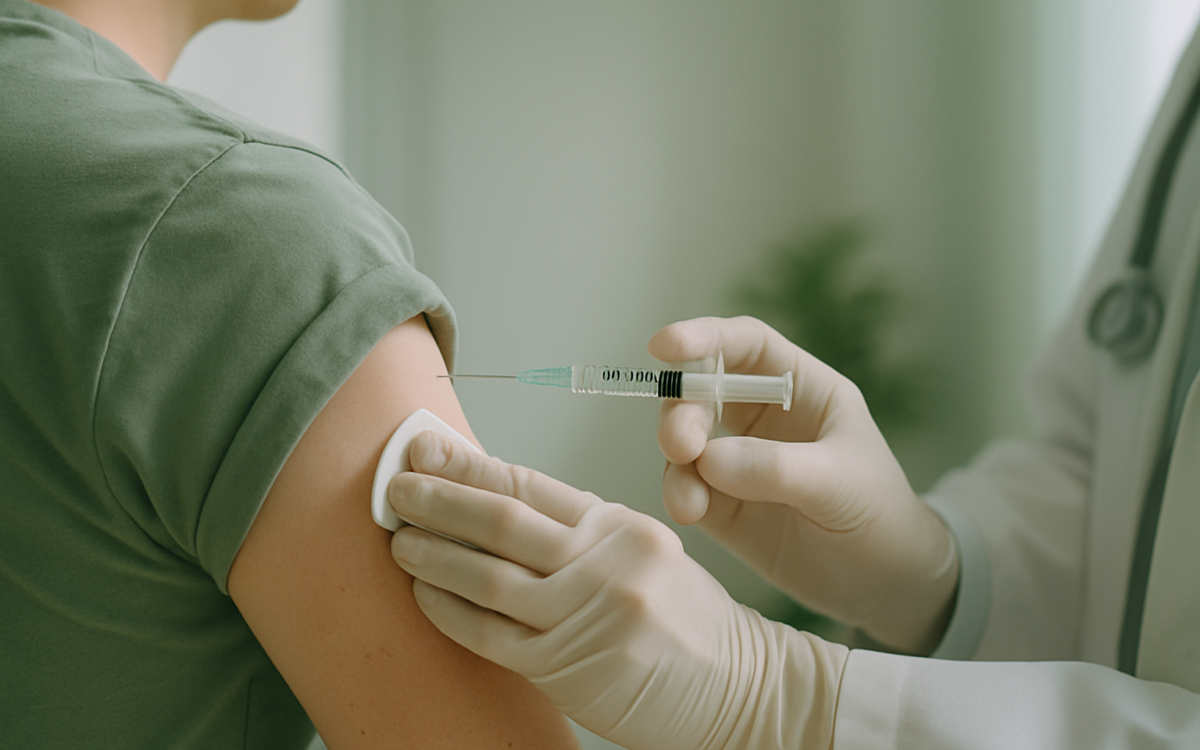
The DPT vaccine, which protects against diphtheria, pertussis (whooping cough), and tetanus, is a critical part of immunization programs around the world. Understanding how often you need this shot is vital for maintaining your health and the health of those around you. Here, we’ll explore the DPT vaccination schedule, its importance, and who should receive it.
What is the DPT vaccine?
The DPT vaccine is a combined immunization designed to protect against three serious diseases: diphtheria, pertussis, and tetanus. Diphtheria can cause severe breathing problems, heart failure, and even death. Pertussis is highly contagious and can be particularly dangerous for infants. Tetanus, often known as lockjaw, leads to painful muscle stiffness and can be fatal if left untreated.
Vaccination schedule for children
The DPT vaccine schedule for children typically starts early in life. Here’s a standard timeline:
- First dose: 2 months
- Second dose: 4 months
- Third dose: 6 months
- Booster dose: 15-18 months
- Final booster: 4-6 years
By following this schedule, children gain adequate immunity against these diseases during their early developmental years. The Centers for Disease Control and Prevention (CDC) recommends that parents ensure their children are up to date with their vaccines, as serious outbreaks of these diseases can still occur.
Vaccination for adolescents and adults
As individuals grow older, the need for DPT shots does not vanish. Adolescents and adults are advised to receive a booster shot every ten years to maintain immunity, particularly against tetanus and diphtheria. Adolescents aged 11 to 12 years are encouraged to receive the Tdap vaccine, which is a booster that includes tetanus, diphtheria, and pertussis protections.
Importance of staying on schedule
Staying current with the DPT vaccination schedule is crucial for several reasons. Firstly, vaccinations protect not only the individuals who receive them but also those around them, especially vulnerable populations such as infants and those with compromised immune systems. High vaccination rates create herd immunity, which helps to prevent outbreaks.
Missed vaccinations can lead to increased susceptibility to these diseases. If individuals have skipped their scheduled vaccinations, they should consult their healthcare providers about catching up on missed doses. In some cases, individuals may need just one dose to get back on track.
International perspectives on the DPT vaccine
Vaccination practices can vary significantly across the world. In many countries, programs to administer the DPT vaccine are crucial components of public health efforts. For instance, organizations like Acibadem International provide comprehensive vaccination programs designed to reach various populations, improving health outcomes globally.
When to consider a DPT shot
Besides adhering to the recommended schedule, there are specific situations in which you should consider receiving a DPT shot:
- If you are traveling to areas where diphtheria or pertussis is more common.
- If you have never been vaccinated or are uncertain about your vaccination history.
- If you are pregnant; the Tdap vaccine is recommended during the third trimester to protect newborns from pertussis.
In these cases, a discussion with your healthcare provider can help prevent potential disease outbreaks and ensure that you and those around you remain protected.
When to see a doctor
If you have questions about your vaccination history or concerns regarding upcoming shots, consult your doctor. They can provide personalized advice on the DPT vaccine, discuss your health history, and help schedule your vaccinations. Regular check-ups ensure that you and your family remain up to date on immunizations, helping to safeguard your health.
It’s essential to prioritize vaccinations not only for personal health but also for public health. Staying informed and proactive about immunizations can save lives.
Conclusion
The DPT vaccine is a necessary protection against potentially serious diseases. By adhering to recommended vaccination schedules and discussing your health with a healthcare provider, you ensure that you are keeping yourself and your community safe. Remember, vaccines are a powerful tool in preventing illness and maintaining overall health.
