
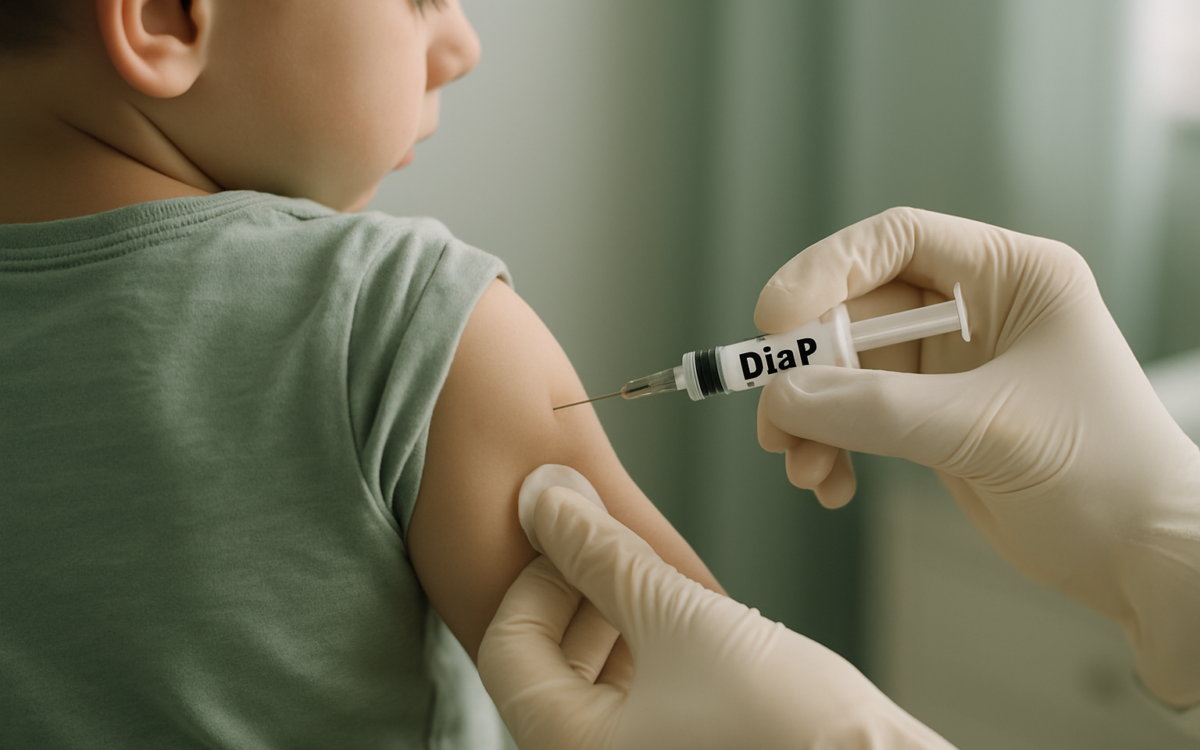
The dTaP vaccine is a crucial immunization that protects children from three serious diseases: diphtheria, tetanus, and pertussis (whooping cough). Understanding how often to get this vaccine is essential for ensuring not just your child’s well-being, but also the safety of those around them. This article explains the dTaP vaccine schedule, why it’s necessary, and what to expect throughout the vaccination process.
What is the dTaP Vaccine?
The dTaP vaccine is a combination vaccine that provides protection against diphtheria, tetanus, and pertussis. Diphtheria is a serious infection that affects the throat and nose, tetanus can lead to severe muscle stiffness and spasms, and pertussis is a highly contagious respiratory disease that is especially harmful to infants.
When is the dTaP Vaccine Given?
The dTaP vaccine is typically administered in a series of five doses. Here’s the general schedule recommended for children:
- First dose: 2 months old
- Second dose: 4 months old
- Third dose: 6 months old
- Fourth dose: 15-18 months old
- Fifth dose: 4-6 years old
This schedule is designed to build and maintain immunity against these diseases before children are potentially exposed to them, particularly in social settings like schools and daycare.
Why is the dTaP Vaccine Important?
The dTaP vaccine plays a vital role in preventing outbreaks of these diseases. Diphtheria and pertussis are not just a concern for children; they can affect people of all ages. Tetanus, commonly known as lockjaw, can lead to serious health complications and is particularly dangerous if not prevented through vaccinations.
According to the CDC, the widespread use of the dTaP vaccine has led to significant declines in the incidence of these diseases. Parents should be aware that immunity can wane over time, which is why staying on schedule with vaccinations is critical.
What to Expect After Vaccination
After receiving the dTaP vaccine, most children experience mild side effects, which may include:
- Redness or swelling at the injection site
- Mild fever
- Irritability or fussiness
- Drowsiness or decreased appetite
These side effects typically resolve within a few days and are generally much less serious than the diseases the vaccine protects against. It’s important to monitor your child’s reaction and consult with a healthcare provider if you have any concerns about unusual symptoms.
Booster Shots and Lifelong Immunity
While the initial doses of the dTaP vaccine are critical for young children, boosters are also necessary later in life to maintain immunity. After the five doses of dTaP, a different formulation called Tdap is recommended:
- First booster (Tdap): 11-12 years old
- Follow-up boosters (Td): Every 10 years for adults
The Tdap vaccine not only boosts immunity to diphtheria, tetanus, and pertussis but also serves as an important preventative measure for adults, especially those who are around infants or children.
Common Myths About the dTaP Vaccine
Despite the established history of vaccine safety and efficacy, many myths about vaccines persist. Here are some common misconceptions regarding the dTaP vaccine:
- Myth: Vaccines cause autism.
- Fact: Numerous studies, including a large-scale review by the National Institutes of Health (NIH), have found no link between vaccines and autism.
- Myth: Natural immunity is better than vaccine-acquired immunity.
- Fact: While natural immunity can develop after illness, the risks of serious complications from these diseases far outweigh potential benefits.
Education is key to making informed decisions about vaccinations. Relying on credible medical resources can help dispel myths and promote understanding of the importance of these vaccines.
When to See a Doctor
If your child has received the dTaP vaccine and you notice any unusual symptoms that last more than a few days, or if your child has a severe allergic reaction (such as difficulty breathing or hives), seek medical attention promptly. Regular check-ups with your pediatrician will ensure your child’s immunization schedule stays on track.
Consult with your healthcare provider for any questions or concerns about the dTaP vaccine or your child’s health. Staying informed and pro-active contributes to your child’s long-term health and the well-being of the community.
In conclusion, the dTaP vaccine is an essential defense against serious illnesses. By following the recommended schedule and staying on top of vaccinations, you’re helping safeguard your child and others around them. Knowledge is power when it comes to health, and understanding the processes surrounding vaccinations can help foster a healthier future for everyone.
