
When it comes to understanding your heart’s health, one of the most essential tools healthcare professionals use is the ECG heart test. The electrocardiogram, commonly known as ECG or EKG, offers valuable insight into your heart’s electrical activity. This simple yet effective test can help detect various heart conditions and guide treatment decisions.
What is an ECG test?
An ECG heart test measures the electrical signals in your heart. Every time your heart beats, electrical impulses trigger heart muscles to contract and pump blood. An ECG records this electrical activity, allowing doctors to see how your heart is functioning. The procedure is quick and typically takes only 5–10 minutes.
Why is an ECG test done?
Your doctor may recommend an ECG for several reasons:
- Monitoring heart health: It can help track heart conditions, especially if you have a history of cardiovascular disease.
- Diagnosing heart issues: An ECG can identify irregular heart rhythms (arrhythmias), heart attacks, or other heart-related problems.
- Assessing stress levels: Sometimes, an ECG is part of a cardiac stress test to evaluate how well your heart functions during physical activity.
According to the Mayo Clinic, ECG tests are a vital part of routine heart health assessments.
How is the ECG test performed?
The process is straightforward and non-invasive:
- Preparation: You may be asked to lie down on an examination table. Make sure to remove any jewelry and wear comfortable clothing.
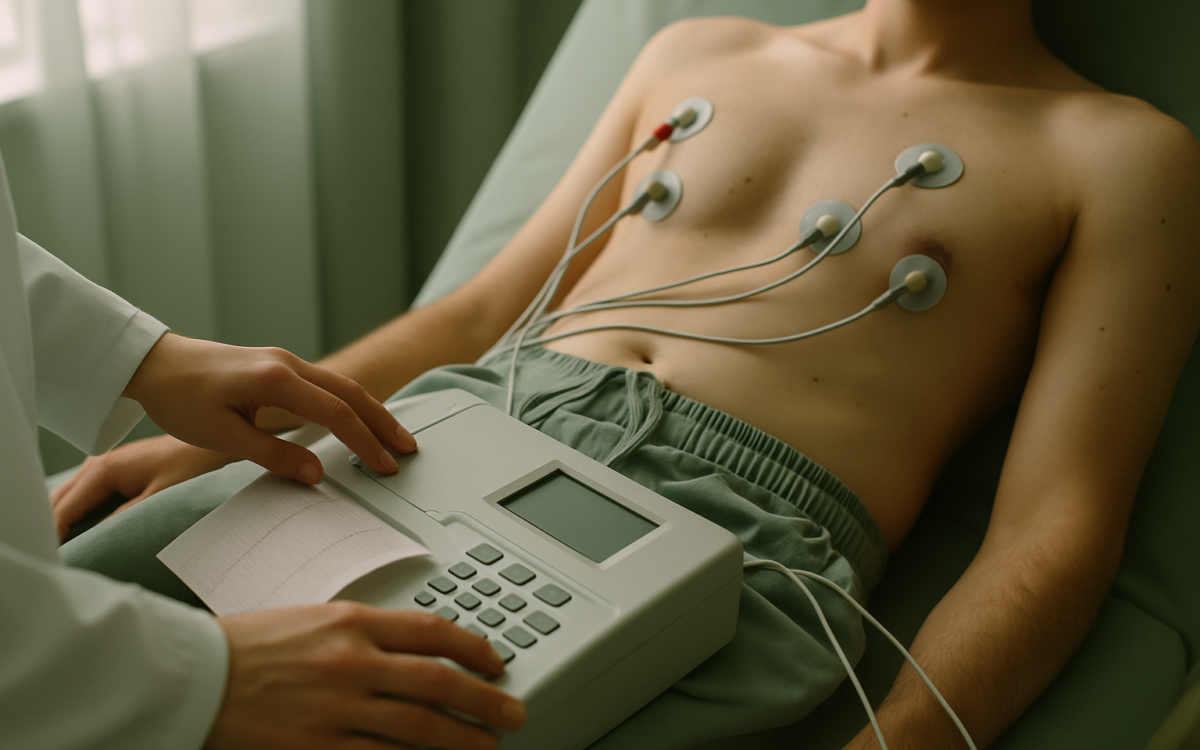
- Placement of electrodes: Small pads, called electrodes, are attached to your chest, arms, and legs. These electrodes are responsible for picking up the heart’s electrical activity.
- Recording: Once the electrodes are in place, the ECG machine records your heart’s signals. This usually takes just a few minutes.
- Reviewing results: The results are printed out as a graph that shows the intervals and waves associated with each heartbeat. A healthcare professional will review these results with you.
The entire procedure is painless, and you can usually return to your daily activities immediately after.
Understanding the ECG results
Interpreting ECG results can help identify various heart conditions. Here are some key points that might arise:
- Normal rhythm: This indicates that your heart is functioning correctly without any irregularities.
- Arrhythmias: Abnormal heart rhythms can be detected, such as atrial fibrillation or premature ventricular contractions.
- Heart attack: Specific patterns in the ECG can indicate a past or ongoing heart attack or areas of heart damage.
Your doctor will explain the significance of your results and recommend any necessary follow-up tests or treatments. For more detailed information on understanding ECG results, you can refer to reliable sources such as the National Institutes of Health.
Possible risks and considerations
One of the reasons the ECG test is so widely utilized is that it is safe with minimal risks involved. Here are a few points to consider:
- Skin irritation: Some people might experience mild skin irritation from the electrodes, though this is usually temporary.
- False positives: Occasionally, an ECG may show abnormalities even if there’s no underlying heart issue. Further testing might be needed for a clearer diagnosis.
- Limitations: While an ECG is invaluable, it doesn’t detect all heart conditions. Your doctor may order additional tests, such as echocardiograms or stress tests, if needed.
Understanding these factors can help ease any concerns you may have about the procedure.
When to see a doctor
If you experience symptoms like chest pain, shortness of breath, dizziness, or irregular heartbeats, it’s essential to seek medical attention promptly. Your healthcare provider may recommend an ECG to assess your heart’s function and determine the best course of action.
Conclusion
The ECG heart test is a vital tool in assessing cardiovascular health. By measuring the electrical activity of your heart, it helps doctors identify potential issues and develop treatment plans. If you have concerns about your heart health or experience any symptoms, discuss the possibility of an ECG with your healthcare provider. Staying proactive about heart health can lead to better outcomes, so don’t hesitate to reach out for guidance.
