
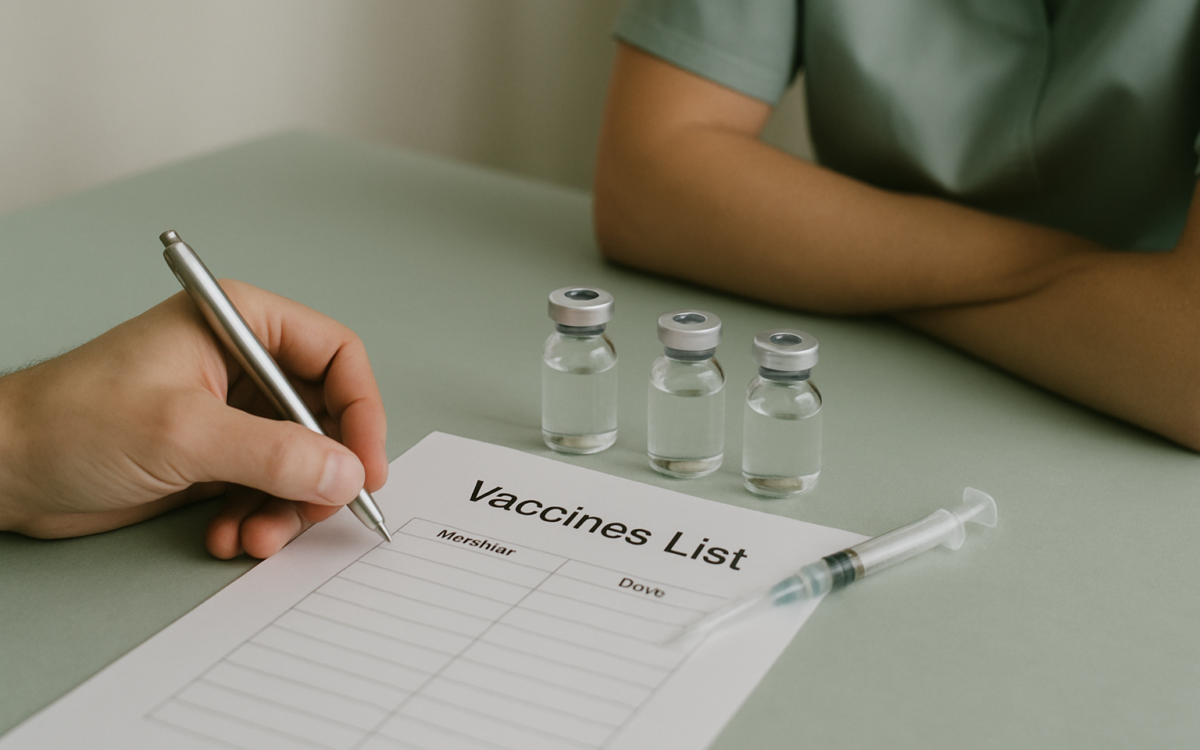
Vaccines are one of the most effective tools we have in protecting our health. They help prevent serious diseases that can spread in a community and provide immunity to individuals at various stages of life. Understanding which vaccines are necessary for you and your loved ones is crucial. This guide will introduce you to an essential vaccines list and the important roles these vaccines play.
What Are Vaccines?
Vaccines are biological preparations that provide acquired immunity to a particular infectious disease. They work by simulating an infection, encouraging the immune system to develop a memory that can efficiently fight the actual disease if encountered in the future. Vaccination not only protects individuals but also helps in achieving herd immunity, which is vital for protecting those who cannot be vaccinated, such as infants or individuals with certain health conditions.
Why the Vaccines List Matters
The vaccines list is a clear roadmap for immunization, highlighting the shots recommended for different age groups. These vaccines help prevent outbreaks of illnesses like measles, polio, and influenza. By following the suggested schedule, families can ensure they are protected against severe diseases and contribute to community health.
Essential Vaccines for Infants and Children
Starting from birth, children are given a series of vaccinations. Here’s a breakdown of the key vaccines recommended for infants and young children:
- Hepatitis B: Administered shortly after birth, protecting against liver infection.
- DTaP (Diphtheria, Tetanus, Pertussis): Given at 2, 4, 6, and 15-18 months, and again at age 4-6.
- Hib (Haemophilus influenzae type b): Protects against bacterial infections, given at 2, 4, 6, and 12-15 months.
- Polio: A series starting at 2 months, with additional doses until age 4-6.
- MMR (Measles, Mumps, Rubella): Given at age 1 and again at 4-6 years.
- Varicella (chickenpox): Recommended at age 1 and again at 4-6 years.
- Influenza: Annual vaccine recommended starting at 6 months.
For a comprehensive schedule, refer to the CDC’s immunization schedule.
Vaccines for Adolescents
Adolescents need certain vaccines as they transition into adulthood. It’s important to keep up with vaccinations during this time:
- Tdap (Tetanus, Diphtheria, Pertussis): A booster shot is needed approximately every 10 years.
- Meningococcal conjugate vaccine: Recommended at age 11-12 and a booster at age 16.
- HPV (Human Papillomavirus): Recommended for children starting at age 9, given in a series of doses.
- Annual influenza shot: Still recommended every year.
These vaccines help safeguard against diseases that can have long-term health implications.
Essential Vaccines for Adults
Vaccination for adults is just as important as it is for children and adolescents. Here’s a list of key vaccines suggested for adults:
- Tdap: A booster is recommended every 10 years.
- Influenza: Annual vaccination is crucial, especially for those over 65 or with chronic conditions.
- Shingles: Two doses are recommended for adults aged 50 and older.
- Pneumococcal vaccines: These are essential for adults over 65 and those with certain health issues.
- MMR: Adults born after 1957 should ensure they are vaccinated for measles.
Staying informed and up to date with your vaccines can significantly reduce your risk of preventable diseases.
Travel Vaccines and Special Considerations
If you plan to travel internationally, additional vaccines may be necessary. Some common travel vaccines include:
- Hepatitis A: Recommended for many travelers to certain countries.
- Typhoid: Important for travel to areas with poor sanitation.
- Yellow Fever: Required for travel to certain parts of Africa and South America.
- Rabies: Considered for those who might be in contact with animals in endemic areas.
Consult the CDC travel health page for specific recommendations based on your destination.
Understanding Vaccine Safety and Efficacy
Many people have questions about the safety and effectiveness of vaccines. Vaccines undergo rigorous testing to ensure they are safe for public use. Monitoring continues even after approval to ensure their long-term safety. As you learn more about vaccines, it’s essential to rely on credible sources. The World Health Organization (WHO) and the Mayo Clinic are excellent starting points for information on vaccine safety and efficacy.
When to See a Doctor
If you have concerns about vaccinations for yourself or your family, or if you need to discuss any previous medical conditions that might affect vaccination, consider scheduling an appointment with your healthcare provider. It’s important to have an open dialogue about your health needs and vaccination options.
By staying informed about vaccines and adhering to recommended schedules, you play a crucial role in protecting not only your health but also the health of your community. Vaccines are an important part of public health, and understanding the vaccines list can empower you to make the best choices for yourself and your family.
