
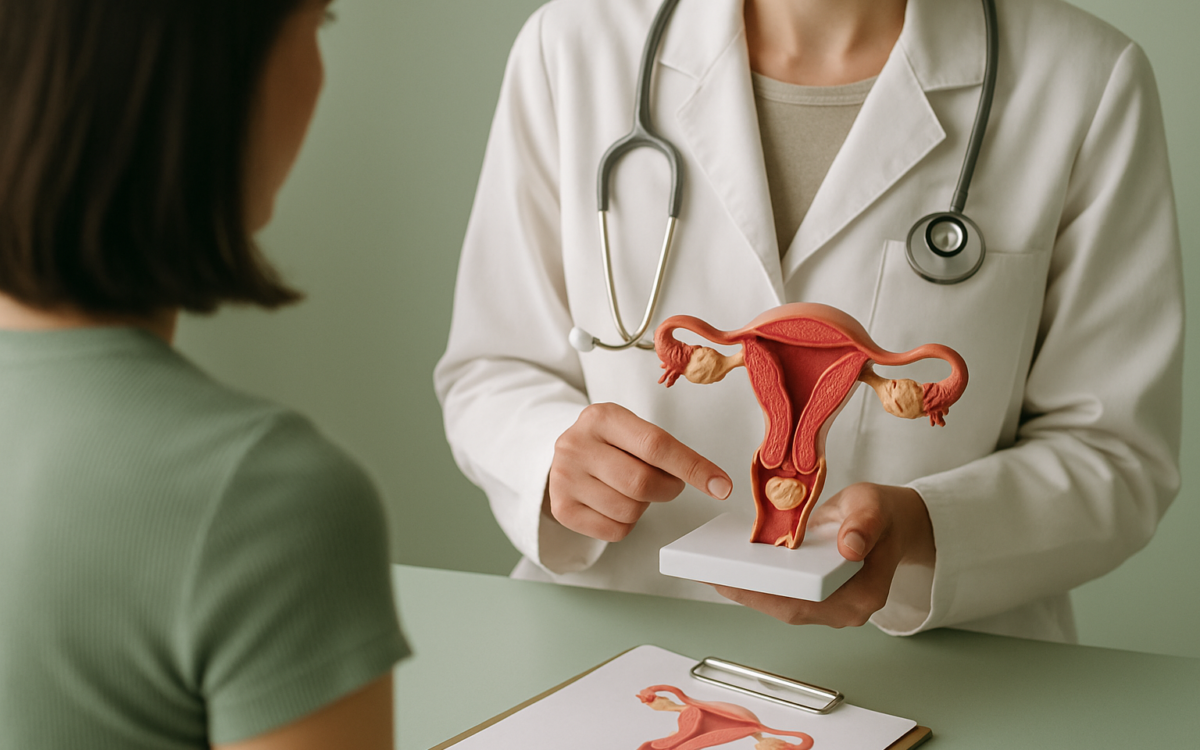
The question of whether females have a prostate often surprises many. Traditionally, the prostate is associated exclusively with male anatomy, known for its role in sexual health and urinary function. However, females possess a structure known as the Skene’s glands, which some experts consider homologous to the male prostate. In this article, we’ll explore the function of these glands, their importance, and how they relate to women’s health.
The Anatomy of the Female Prostate
The Skene’s glands, located near the urethra, are often referred to as the female prostate. These glands are small, pea-sized structures that open into the urethral canal. Although they are not identical to the male prostate, they perform some similar functions. For example, they produce fluid that may help in lubricating the urethra during sexual activity.
Function and Importance of the Skene’s Glands
Understanding the function of the Skene’s glands is crucial for appreciating the female prostate’s role in health. Here are some key functions:
- Fluid secretion: The glands secrete a fluid that contributes to the female ejaculate, which can enhance sexual pleasure and may play a role in the reproductive process.
- Urinary health: The Skene’s glands may help in preventing urinary tract infections (UTIs) by keeping the urethra moist and facilitating urinary flow.
- Pelvic support: These glands are part of a broader network of pelvic floor muscles and structures that support the bladder and uterus, contributing to overall pelvic health.
While not exactly the same as the male prostate, the Skene’s glands hold a unique position in female physiology that merits recognition and understanding.
Health Conditions Related to the Skene’s Glands
Just like any other body part, the Skene’s glands can sometimes face health issues. Here are a few conditions related to these glands:
- Skene’s gland cysts: These fluid-filled sacs may develop in the glands, often painless but can cause discomfort or complications.
- Infection: Skene’s glands can become infected, leading to symptoms like pain, swelling, and fever. This condition is known as Skene’s gland inflammation or Skene’s glanditis.
- Impact on sexual health: Problems with these glands can affect sexual function. For instance, a cyst could lead to discomfort during intercourse.
Awareness of these potential conditions can help in maintaining better sexual and urinary health. If any unusual symptoms arise, it is recommended to consult a healthcare provider.
International Perspectives on Female Prostate Health
Understanding and recognizing the female prostate’s role in health can vary across cultures. In some places, awareness of Skene’s gland function is limited, while others may offer international treatment perspectives that highlight the importance of holistic health approaches. For instance, in regions where traditional practices integrate modern healthcare, healthcare providers may address both anatomical and symptomatic concerns in a more inclusive manner.
This international viewpoint encourages women to seek comprehensive healthcare options, exploring resources like acibademinternational.com, which offers a variety of treatments addressing women’s health issues globally, including those related to the Skene’s glands.
When to See a Doctor
If you experience any troubling symptoms—like persistent pain, unusual discharge, or recurrent urinary tract infections—it’s essential to consult with a healthcare professional. Early diagnosis and treatment can help prevent complications related to the Skene’s glands and ensure overall pelvic health.
Conclusion
While many associate the prostate with male anatomy, the Skene’s glands offer a fascinating insight into female physiology. By understanding the role and health of these glands, women can better care for their bodies and address health concerns proactively. Awareness is the first step towards maintaining optimal health, so don’t hesitate to reach out to your doctor if you have any questions or concerns.
