
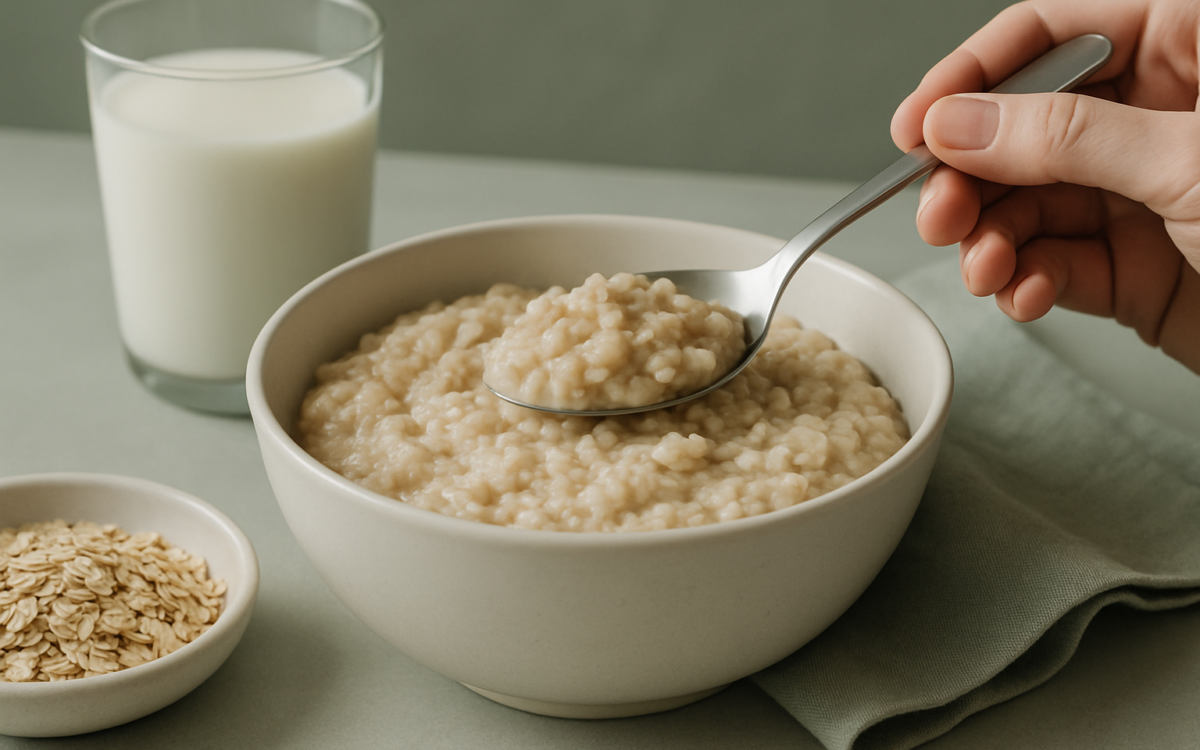
Have you ever considered how nutritious oatmeal can be? This classic breakfast staple offers more than just warmth and comfort; it’s packed with essential nutrients. One of the standout features of oatmeal is its fiber content, which plays a vital role in maintaining good health. In this article, we’ll dive deep into the question: Does oatmeal have fiber? Let’s explore its benefits, types of fiber, and how it fits into a balanced diet.
The Basics of Oatmeal
Oatmeal comes from ground oats and is often enjoyed as a hot porridge. It can be made from whole oats, steel-cut oats, or instant oats, each offering different textures and cooking times. Despite their differences, all types of oatmeal come from the same nutritious grain, which is rich in vitamins, minerals, and, most importantly, dietary fiber.
Does Oatmeal Have Fiber?
Yes, oatmeal is an excellent source of dietary fiber. One cup of cooked oatmeal typically contains about 4 grams of fiber, making it one of the best sources compared to many other breakfast options. The fiber found in oatmeal is mainly soluble fiber, which is known for its ability to absorb water and form a gel-like substance in the digestive system. This particular type of fiber can be beneficial for various reasons.
The Health Benefits of Fiber in Oatmeal
Incorporating oatmeal into your diet can provide numerous health benefits, particularly due to its fiber content. Here are some key advantages:
- Improves Digestive Health: The fiber in oatmeal promotes healthy digestion by adding bulk to your stool, which can help prevent constipation. This can be especially beneficial for individuals suffering from digestive issues.
- Helps Regulate Blood Sugar: Soluble fiber may help slow down the absorption of sugar in your bloodstream, helping to stabilize blood sugar levels. This makes oatmeal a great choice for those with diabetes or anyone looking to manage their blood sugar levels.
- Supports Heart Health: Oatmeal is rich in beta-glucan, a type of soluble fiber linked to lowering cholesterol levels. Regular consumption can reduce the risk of heart disease by promoting healthier cholesterol levels.
- May Aid Weight Management: Fiber-rich foods like oatmeal can keep you feeling full longer, which may help prevent overeating. This can be particularly helpful if you are trying to manage your weight.
Different Types of Fiber in Oatmeal
Oatmeal contains two main types of fiber: soluble and insoluble.
Soluble Fiber
Soluble fiber dissolves in water and forms a gel-like substance. This type of fiber helps lower cholesterol and control blood sugar levels. As mentioned earlier, beta-glucan is a key soluble fiber found in oats. It not only supports heart health but also aids in the healthy maintenance of gut bacteria.
Insoluble Fiber
Insoluble fiber, on the other hand, adds bulk to your stool and helps food pass through the digestive tract. Although oatmeal is primarily known for its soluble fiber, it still contains a moderate amount of insoluble fiber, enhancing its overall health benefits.
How to Include Oatmeal in Your Diet
Incorporating oatmeal into your daily routine doesn’t have to be boring! Here are some creative ways to enjoy it:
- Classic Porridge: Cook your oats with water or milk and top with your favorite fruits and nuts.
- Overnight Oats: Mix oats with yogurt or milk and let them sit overnight in the fridge. Add fruits, seeds, or honey in the morning for a quick breakfast.
- Baked Oatmeal: Combine oats with eggs, milk, and your choice of sweeteners or spices for a hearty baked breakfast.
- Smoothies: Blend oats into your smoothies to add creaminess and fiber without sacrificing nutrition.
Potential Downsides of Oatmeal
While oatmeal is generally healthy, moderation is key. Here are a few considerations:
- Portion Size: Excessive consumption of even healthy foods can lead to unwanted weight gain, especially if accompanied by high-calorie toppings.
- Gluten Sensitivity: While oats themselves are gluten-free, cross-contamination can occur during processing. Those with celiac disease should look for certified gluten-free oats.
- Digestive Issues: Some individuals may experience bloating or gas when consuming large amounts of fiber, so it’s wise to introduce oatmeal gradually.
When to See a Doctor
If you experience ongoing digestive issues such as persistent bloating, severe constipation, or changes in bowel habits, it may be time to consult a healthcare professional. They can help identify any potential underlying conditions or dietary changes that might be needed. Additionally, if you have specific health concerns about including oatmeal or fiber in your diet, a consultation can provide individualized guidance.
Final Thoughts on Oatmeal as a Fiber Source
Overall, oatmeal is not just a comforting breakfast choice; it’s a powerhouse of nutrition, particularly because of its high fiber content. By incorporating oatmeal into your diet, you can enjoy various health benefits, from improved digestion to enhanced heart health. When combined with other whole foods, oatmeal can be a delicious and versatile addition to a balanced diet. Whether you prefer it sweetened, baked, or blended, oatmeal can help you start your day off right!
