
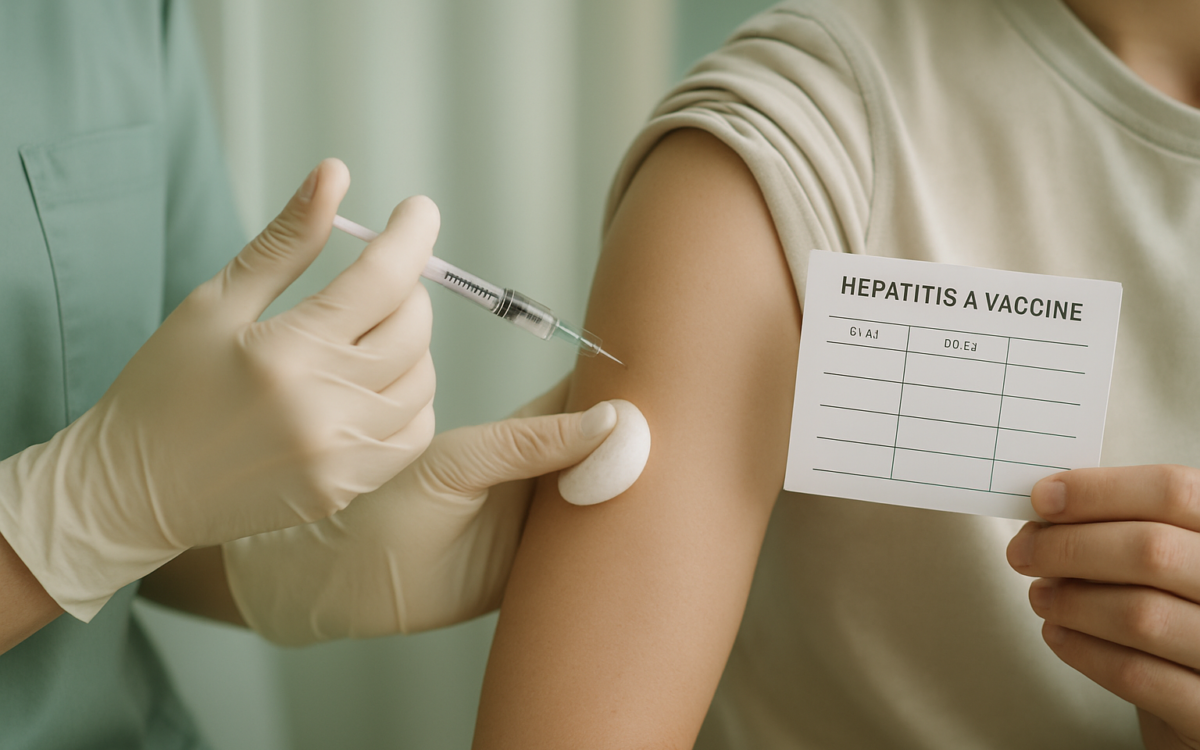
Hepatitis A is a highly contagious liver infection caused by the hepatitis A virus (HAV). It can lead to serious health issues, but fortunately, it is preventable with a safe and effective vaccine. Understanding the hepatitis A vaccine schedule is crucial, especially for parents, travelers, and individuals at risk of infection. In this article, we will cover the details of the vaccine schedule, its importance, and who should get vaccinated.
What is hepatitis A?
Hepatitis A is primarily transmitted through ingestion of contaminated food or water. This can occur in areas with poor sanitation or hygiene. Symptoms may include fever, fatigue, nausea, abdominal discomfort, and jaundice. Importantly, most people recover completely, but some may experience severe complications.
Who should get vaccinated?
The hepatitis A vaccine is recommended for various groups, including:
- Children starting at age 1
- Travelers to countries with high hepatitis A rates
- Individuals with chronic liver diseases
- Users of injection drugs
- People working with primates or in laboratories
Vaccination is vital for anyone at risk, providing significant protection against contracting the virus.
Hepatitis A vaccine schedule
The hepatitis A vaccine is typically given in two doses. Here’s how the schedule works:
First dose
The first dose is administered between 12 and 23 months of age, usually at the age of 1. For older children and adults, vaccination can be done at any time, especially if they fall into an at-risk category.
Second dose
The second dose should be given 6 to 18 months after the first dose. This booster shot is essential for long-lasting immunity against the virus. It’s important to complete the series for optimal protection.
Importance of the vaccine
Vaccination against hepatitis A not only protects the individual but also contributes to community immunity. Outbreaks can occur when vaccination rates in a population drop, leading to widespread infection. By getting vaccinated, individuals help to protect those who are unable to get vaccinated, such as infants or those with specific medical conditions.
What to expect after vaccination
After receiving the hepatitis A vaccine, some people may experience mild side effects. These can include:
- Soreness at the injection site
- Low-grade fever
- Fatigue
Serious side effects are rare, and most people tolerate the vaccine well. If side effects do occur, they generally resolve within a few days.
Travel and hepatitis A vaccination
Travelers heading to areas where hepatitis A is common should prioritize vaccination. The World Health Organization (WHO) emphasizes the importance of the vaccine for those traveling to high-risk regions. Vaccination should ideally be completed at least two weeks before departure to ensure adequate time for the immune response to develop (WHO). Additionally, practicing good hygiene, such as frequent handwashing and consuming safe food and water, is vital during travel.
When to see a doctor
If you have questions about the hepatitis A vaccine, experience severe reactions after vaccination, or suspect you may have been exposed to the virus, consult your doctor. They can provide guidance tailored to your health history and needs.
Conclusion
The hepatitis A vaccine is a safe and effective way to prevent this contagious liver infection. Understanding the vaccine schedule can help you ensure timely and appropriate vaccination, not only for yourself but also for those around you. Stay informed, stay healthy, and don’t hesitate to reach out to healthcare professionals for guidance.
For more information about hepatitis A and its vaccine, you can visit reputable sources like the CDC and the Mayo Clinic.
