
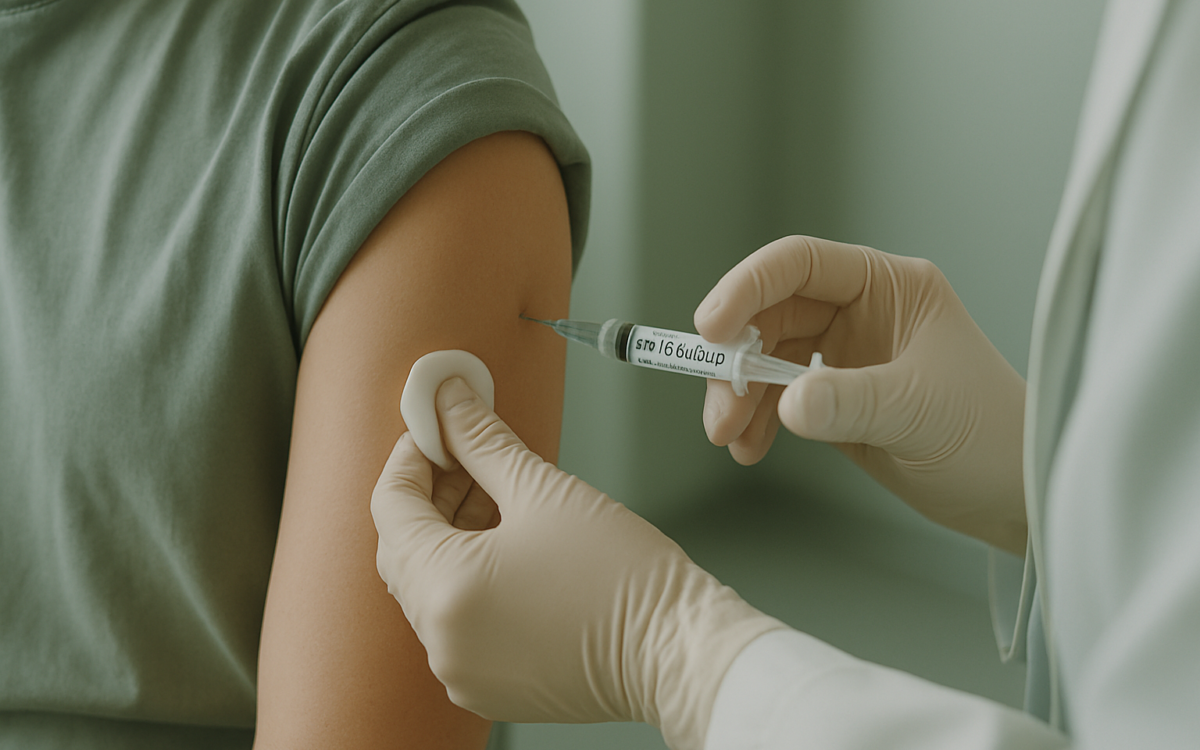
The Hepatitis B vaccine is a vital tool in preventing hepatitis B, a serious liver infection caused by the Hepatitis B virus (HBV). This vaccine is especially crucial for certain high-risk groups but is recommended for everyone. Understanding the vaccination schedule is key to ensuring proper immunity and protecting oneself and others from infection.
What is the Hepatitis B vaccine?
The Hepatitis B vaccine is an inactivated (killed) vaccine that prompts the body to create immunity against the HBV. Administered through a series of injections, the vaccine helps the body develop antibodies to the virus. Once vaccinated, an individual is significantly less likely to contract hepatitis B, which can lead to chronic liver problems and other serious health issues.
Recommended vaccination schedule
The vaccination schedule for the Hepatitis B vaccine typically consists of three doses, with the following timing:
- The first dose is given at birth.
- The second dose is administered at 1 to 2 months of age.
- The third dose is given at 6 to 18 months of age.
This schedule is recommended by the Centers for Disease Control and Prevention (CDC). For those who miss any doses, it’s essential to catch up within specific time frames. Children and adolescents who were not vaccinated at birth can also receive the vaccine through age 18.
Who should get vaccinated?
While the Hepatitis B vaccine is recommended for all infants, there are specific groups that the CDC emphasizes should be vaccinated as well:
- People who are at higher risk, such as healthcare workers, individuals with multiple sexual partners, and those living with someone who has chronic Hepatitis B.
- People with certain medical conditions or high-risk behaviors.
- Travelers to regions where Hepatitis B is common.
Consult with your healthcare provider to determine if you or your child should receive the vaccine, especially if you fall into one of these categories.
Possible side effects
Like any vaccine, the Hepatitis B vaccine can cause side effects, although they are generally mild. Some common side effects include:
- Pain at the injection site
- Fever
- Mild fatigue
More serious reactions are extremely rare but can occur. If you notice severe allergic responses or other unusual symptoms following vaccination, it’s important to seek medical advice immediately. For more information on potential side effects, you can refer to the CDC’s vaccine safety page.
Effectiveness and longevity of immunity
Studies have shown that the Hepatitis B vaccine is highly effective in preventing infection. After completing the three-dose series, about 95% of healthy individuals will develop immunity. Research indicates that immunity can last for decades, but in some individuals, especially those with weakened immune systems, booster doses may be necessary later in life.
Blood tests can determine whether an individual needs a booster shot or if they have developed enough antibodies from the initial vaccination. If you are unsure about your immunity status, consult your healthcare provider for testing options.
When to see a doctor
If you or your child have not received the Hepatitis B vaccine or missed any doses, it’s important to discuss your options with a healthcare provider. They can provide guidance on catching up on vaccinations according to recommended schedules. Additionally, if you suspect you’ve been exposed to Hepatitis B or are experiencing symptoms like fatigue, jaundice (yellowing of the skin and eyes), or abdominal pain, seek medical care promptly.
Conclusion
The Hepatitis B vaccine is crucial for preventing HBV infection and its serious health consequences. Understanding how often the vaccine should be administered and staying on track with the schedule ensures that individuals are well-protected. Regular consultation with a healthcare provider will help maintain vaccination status and manage any health concerns related to Hepatitis B.
