
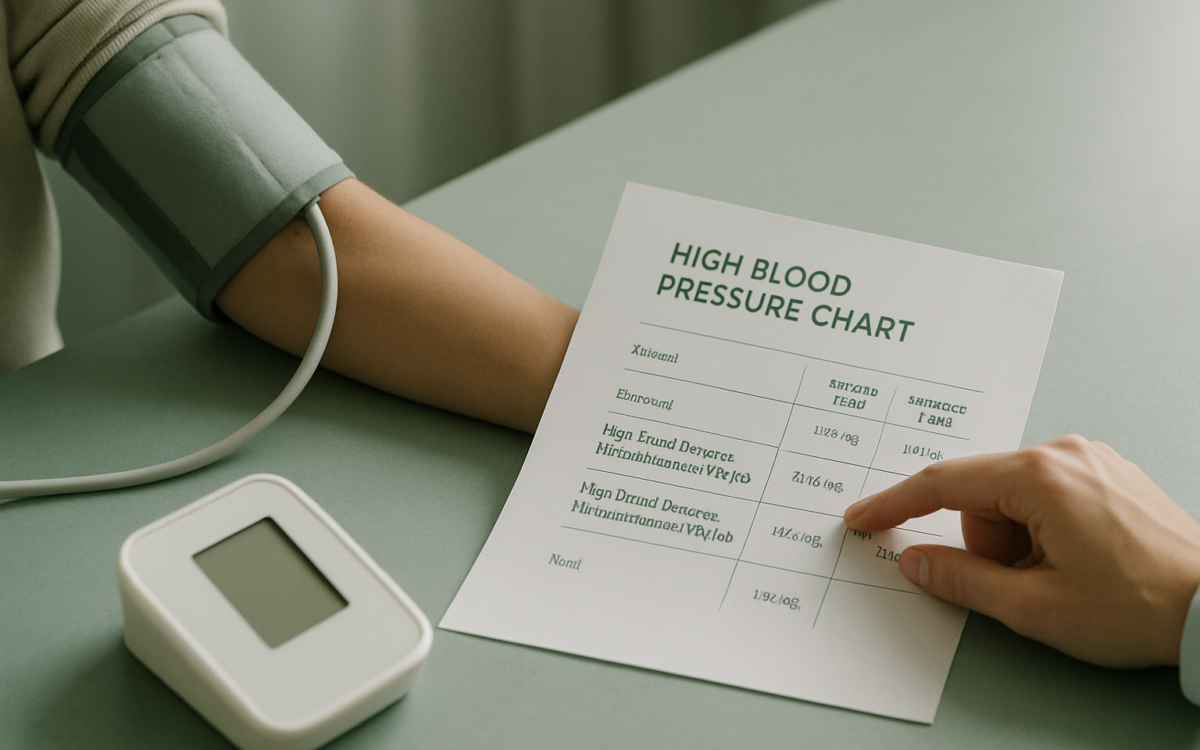
High blood pressure, also known as hypertension, is often called the “silent killer” because it frequently shows no symptoms until serious health issues arise. Understanding how to read a high blood pressure chart can be an essential step toward managing your health. In this article, we’ll explore how blood pressure is measured, what the numbers mean, and how to interpret a high blood pressure chart.
What Is Blood Pressure?
Blood pressure is the force of blood pushing against the walls of your arteries as your heart pumps it around your body. It’s measured in millimeters of mercury (mmHg) and involves two numbers: systolic and diastolic pressure. The systolic number (the first one) measures the pressure in your arteries when your heart beats. The diastolic number (the second one) measures the pressure in your arteries when your heart rests between beats.
Blood Pressure Categories
The American Heart Association categorizes blood pressure into several ranges. Here’s a quick overview:
- Normal: Less than 120/80 mmHg
- Elevated: 120-129/<80 mmHg
- Hypertension Stage 1: 130-139/80-89 mmHg
- Hypertension Stage 2: 140 or higher/90 or higher mmHg
- Hypertensive Crisis: Higher than 180/higher than 120 mmHg – requires immediate medical attention.
How to Use a High Blood Pressure Chart
A high blood pressure chart can help you monitor and understand your reading. When you measure your blood pressure, you’ll record the value, identify which category it falls into, and track any changes over time. Regularly updating your chart can provide valuable information about trends and help you identify when your blood pressure may need more attention.
Keeping Your Chart Updated
To effectively use a high blood pressure chart, it’s essential to measure your blood pressure regularly, ideally at the same time each day. Note the time and conditions under which the reading was taken, as factors like stress, physical activity, and diet can affect your numbers. Consistent tracking can help both you and your healthcare provider determine effective strategies for managing your blood pressure.
Factors Affecting Blood Pressure
Several factors can influence your blood pressure, including:
- Diet: A diet high in sodium and low in potassium can increase blood pressure.
- Weight: Being overweight can elevate your blood pressure.
- Physical Activity: Regular exercise can lower blood pressure.
- Alcohol and Tobacco Use: Both can lead to increased blood pressure.
- Stress: Chronic stress may contribute to high blood pressure.
Tools to Measure Blood Pressure
There are various tools available to help you measure your blood pressure. You can visit a doctor’s office, pharmacy, or purchase a home blood pressure monitor. Home monitors are a convenient way of tracking your blood pressure regularly. When selecting a monitor, ensure it is validated for accuracy. Your doctor can also guide you on how to use it and interpret the readings.
Lifestyle Changes for Healthy Blood Pressure
Maintaining healthy blood pressure often requires lifestyle modifications. Here are some effective strategies:
- Eat a Balanced Diet: Focus on fruits, vegetables, whole grains, and lean proteins. Consider following the DASH diet, which is specifically designed to lower blood pressure.
- Exercise Regularly: Aim for at least 150 minutes of moderate aerobic activity per week.
- Limit Sodium Intake: Aim for less than 2,300 mg of sodium daily, or even lower if recommended by your healthcare provider.
- Maintain a Healthy Weight: Work toward achieving and maintaining a healthy weight through a combination of diet and exercise.
- Manage Stress: Techniques such as meditation, deep breathing, and yoga can help reduce stress levels.
- Avoid Tobacco and Limit Alcohol: Quitting smoking and limiting alcohol intake can have positive effects on your blood pressure.
When to See a Doctor
It’s essential to consult a doctor if:
- Your blood pressure readings are consistently out of the normal range.
- You experience symptoms like headaches, dizziness, or changes in vision.
- You have a family history of hypertension or cardiac issues.
- You want to create a personalized strategy to manage your blood pressure.
Conclusion
Understanding the high blood pressure chart and recognizing the importance of monitoring your blood pressure can empower you to take charge of your health. By making lifestyle changes and keeping track of your readings, you can work towards maintaining healthy blood pressure levels. Always remember to consult your healthcare provider for personalized advice and strategies.
For more information on blood pressure and related health topics, visit the National Heart, Lung, and Blood Institute or the CDC Blood Pressure Basics page.
