
Interstitial cystitis (IC) is a chronic condition that causes bladder pressure, bladder pain, and sometimes pelvic pain. These discomforts can significantly impact daily life, making it essential for those diagnosed to explore various ways to manage symptoms. One effective approach that has gained attention is the IC diet. This dietary strategy focuses on eating foods that are less likely to aggravate the urinary system and can help improve quality of life.
What is the IC Diet?
The IC diet aims to identify and eliminate foods and drinks that may irritate the bladder. It is important to note that every individual may react differently to various foods, so the diet often requires some personal adjustments. By focusing on bladder-friendly foods, many individuals with IC report a reduction in symptoms like urgency and pain.
Foods to Include in the IC Diet
While individuals with IC may have different sensitivities, there are some general food categories that tend to be safer for most:
- Fruits: Bananas, blueberries, and pears are generally well-tolerated.
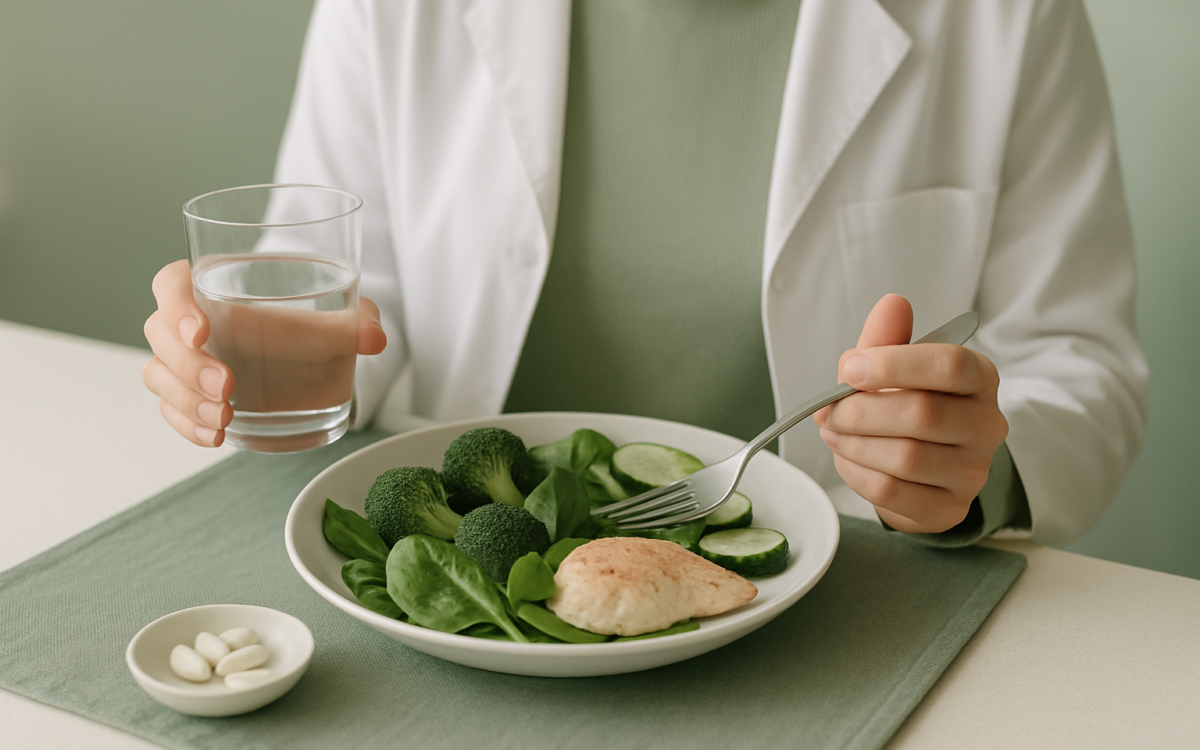
- Vegetables: Leafy greens, carrots, and sweet potatoes are often good choices.
- Grains: Brown rice, quinoa, and oatmeal are recommended as they are bland and easy to digest.
- Proteins: Skinless chicken, turkey, and fish can provide necessary nutrients without bladder irritation.
- Dairy: Low-fat and non-dairy options like almond milk may be suitable for some.
- Herbal teas: Chamomile and peppermint teas can offer soothing effects for bladder discomfort.
Foods to Avoid
Equally important is knowing which foods and drinks are likely to trigger symptoms for those with IC. Some common irritants to consider limiting include:
- Caffeinated beverages: Coffee, tea, and energy drinks can irritate the bladder.
- Alcohol: Beer, wine, and spirits may exacerbate discomfort.
- Spicy foods: Hot peppers, mustard, and curry can create irritation.
- Acidic foods: Citrus fruits, tomatoes, and vinegar should be minimized.
- Artificial sweeteners: Many individuals find that sweeteners like aspartame can be irritating.
Planning Balanced Meals on the IC Diet
When following the IC diet, meal planning is a helpful tool. Here are some tips to assure a balanced intake while avoiding irritants:
- Focus on color: Including a variety of colored fruits and vegetables can help ensure you get a range of vitamins and minerals.
- Protein source: Choosing lean meats and plant-based proteins can contribute to a balanced diet.
- Healthy fats: Incorporating sources of healthy fats like olive oil or avocados can provide essential nutrients.
- Stay hydrated: Drinking plenty of water while limiting bladder irritants is key to managing symptoms.
Keeping a Food Diary
Maintaining a food diary is one of the most effective strategies when implementing the IC diet. This practice involves writing down everything you eat and drink, alongside any symptoms you experience. Over time, you may be able to identify specific personal triggers and make informed decisions about your diet based on this data.
Other Lifestyle Tips for Managing Interstitial Cystitis
Aside from dietary adjustments, here are some additional lifestyle tips that may help manage IC symptoms:
- Regular exercise: Engaging in physical activity can help reduce stress and strengthen bladder control.
- Stress management: Techniques like yoga, meditation, or deep-breathing exercises can be beneficial.
- Support groups: Connecting with others who have IC can provide emotional support and dietary ideas.
When to See a Doctor
If you experience persistent bladder pain, urinary frequency, or other symptoms that interfere with your quality of life, it’s important to consult with a healthcare professional. They can help diagnose your condition and work with you to create a personalized management plan tailored to your needs. Resources like the National Library of Medicine may also help you find more information about managing interstitial cystitis.
Conclusion
The IC diet offers a structured approach to managing symptoms associated with interstitial cystitis through thoughtful dietary choices. While it may take time to figure out what works best for you, many individuals find relief by focusing on their food intake and lifestyle. If you’re considering making changes to your diet due to IC, remember to consult your healthcare provider for personalized guidance.
