
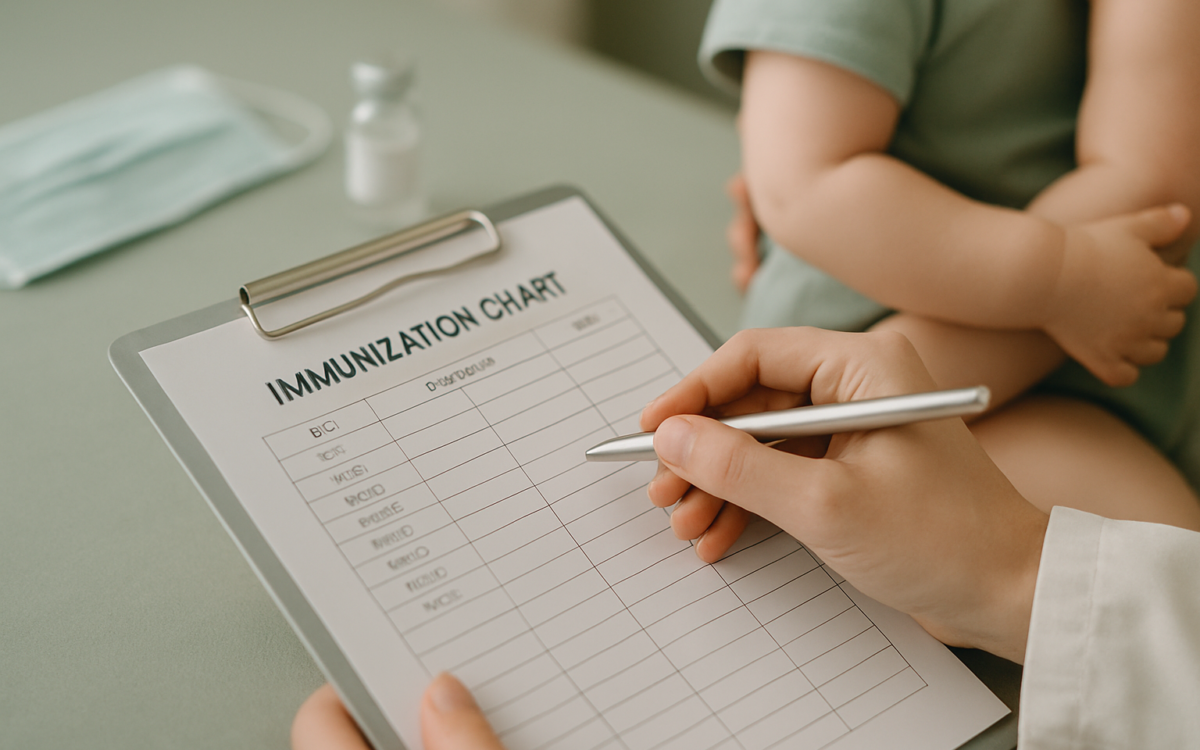
Immunizations play a vital role in keeping individuals and communities healthy. Knowing when and what vaccines to receive can be overwhelming, especially for new parents or anyone unfamiliar with the vaccination process. An immunization chart is a straightforward tool that outlines recommended vaccines by age, helping families stay informed and on track with their vaccinations.
What Is an Immunization Chart?
An immunization chart is a visual guide that displays the vaccination schedule recommended for children and adults. These charts help you keep track of necessary vaccinations and ensure that individuals receive them at the appropriate ages. They vary by health organization but generally include vaccinations for diseases like measles, mumps, rubella, polio, hepatitis, and more.
Why Are Vaccines Important?
Vaccines are essential for several reasons:
- Prevent Disease: Vaccines protect individuals from severe illnesses and complications caused by infectious diseases.
- Herd Immunity: When a significant portion of a population is vaccinated, it helps protect those who cannot be vaccinated, such as infants and individuals with certain medical conditions.
- Public Health: Widespread immunization can lead to the eradication of diseases, as seen with smallpox and significantly reduced cases of polio and measles.
You can learn more about the benefits of vaccination from reputable sources like the CDC and the WHO.
Immunization Schedule for Children
For children, the vaccination schedule is carefully designed to provide protection during the most vulnerable ages. The vaccines are typically given during well-child visits, and an immunization chart can help parents keep track. Here are some key vaccinations in early childhood:
- Birth: Hepatitis B (1st dose)
- 2 months: DTaP (Diphtheria, Tetanus, Pertussis), IPV (Polio), Hib (Haemophilus influenzae type b), PVC13 (Pneumococcal conjugate), and RV (Rotavirus)
- 4 months: DTaP, IPV, Hib, PVC13, RV (2nd doses)
- 6 months: DTaP and Hepatitis B (3rd doses), and RV (if applicable)
- 12-15 months: MMR (Measles, Mumps, Rubella), Varicella (Chickenpox), Hib, PVC13 (booster doses)
- 18 months: DTaP (4th dose)
These vaccines typically provide protection as the child grows, and it’s crucial for parents to stick to the schedule. The CDC provides detailed immunization schedules that can be downloaded and printed for family use.
Immunization for Adolescents and Adults
Immunizations don’t stop once childhood is over. Adolescents and adults also require specific vaccines to maintain health and prevent disease. Some key vaccines to consider include:
- Adolescents (11-12 years): Tdap (booster), HPV (Human Papillomavirus), and meningococcal conjugate vaccines
- Adults: Annual flu vaccine, Tdap booster every ten years, and various vaccines based on lifestyle and health risks (like hepatitis A and B)
Regular check-ups are an excellent opportunity to review your vaccination history and discuss any needed updates with a healthcare provider.
Staying Informed: Where to Find Immunization Charts
Many health organizations provide comprehensive immunization charts tailored to different age groups. Here’s where you can find reliable resources:
- CDC Immunization Schedules: Offers up-to-date vaccination schedules for all age groups.
- WHO Immunization: Provides international vaccination guidelines and resources.
- Mayo Clinic Vaccination Guide: Features a summary of adult vaccines based on age and health.
Understanding Vaccine Safety and Concerns
Despite the overwhelming evidence supporting vaccines’ safety and efficacy, some individuals may have concerns or misconceptions. It is essential to know that vaccines are subject to rigorous testing before approval. Moreover, ongoing research ensures that vaccines remain safe and effective. Common side effects are typically mild and temporary, like redness at the injection site or a mild fever. Serious side effects are extremely rare.
If you have concerns about vaccinations or specific allergies, discussing these with a healthcare provider can help address your worries. You can read more about vaccine safety from sources like the CDC and the NIH.
When to See a Doctor
If your child or you have missed a vaccination or are unsure about past immunizations, consult your doctor. They can help determine which vaccines are necessary and provide guidance on staying up to date. Additionally, if you experience any uncommon symptoms after vaccination, seek medical advice to ensure your health and safety.
In summary, understanding the immunization chart is essential for keeping both individuals and communities healthy. By staying informed and on schedule with vaccinations, families can protect themselves from preventable diseases. Remember, vaccines don’t just help individuals; they help protect everyone in the community.
