
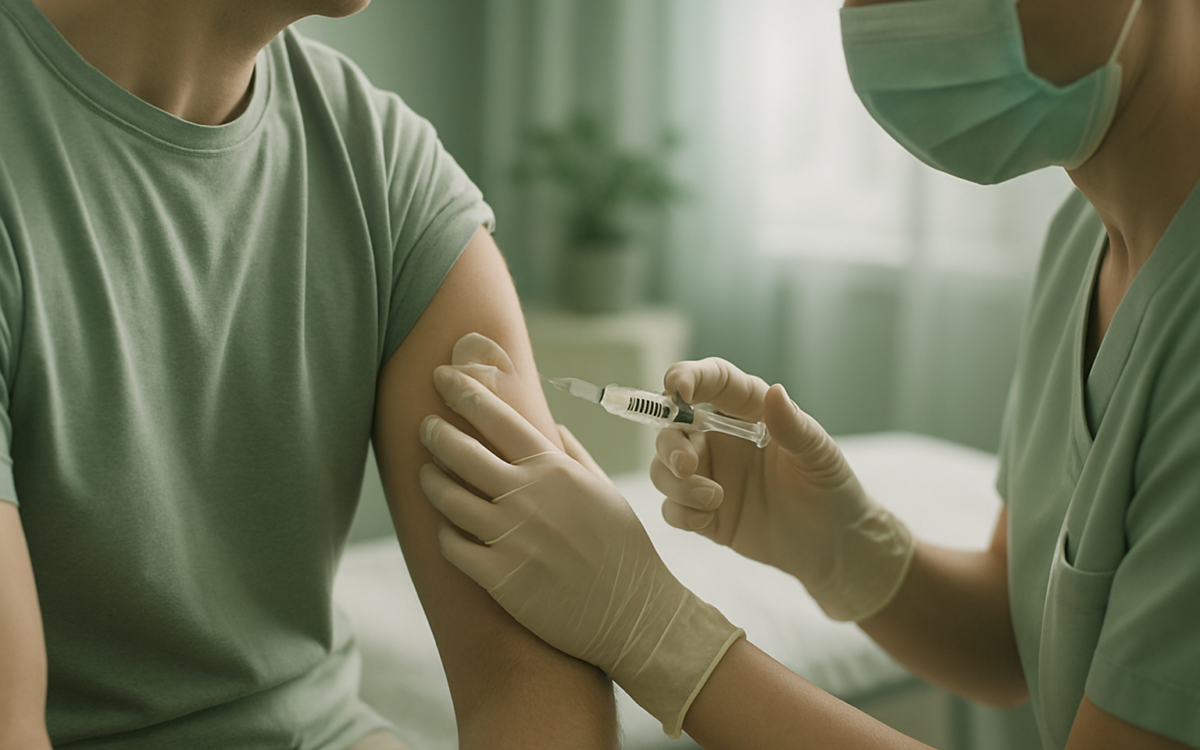
The MMR shot, which protects against measles, mumps, and rubella, is commonly associated with childhood vaccinations. However, many adults overlook its importance or are unsure if they should receive this vaccine. Understanding the role of the MMR shot for adults is crucial not only for individual health but also for community wellness. This article aims to shed light on why adults may need the MMR vaccine, who should get it, and what side effects to anticipate.
What is the MMR vaccine?
The MMR vaccine is a combination vaccine that protects against three serious viral infections:
- Measles: A highly contagious disease that can cause severe complications, including pneumonia and brain swelling.
- Mumps: A viral infection that can lead to painful swelling of the salivary glands and may also affect the testicles or ovaries.
- Rubella: Also known as German measles, rubella can be particularly dangerous during pregnancy, leading to severe birth defects.
Why is the MMR shot important for adults?
Adults who have not been vaccinated or are unsure of their vaccination history may be at risk for these diseases. Here are a few reasons why the MMR shot is important for adults:
1. Outbreaks are still possible
While measles, mumps, and rubella were largely eliminated in the U.S. thanks to widespread vaccination, outbreaks can still occur. This is particularly true in communities with lower vaccination rates. According to the CDC, there have been recent measles outbreaks linked to unvaccinated populations.
2. Increased travel
With more adults traveling internationally, there is a higher risk of exposure to these diseases in other countries where vaccination rates are lower. The World Health Organization notes that travelers should ensure they are up-to-date on their vaccines before embarking on international trips.
3. Pregnant women
Women who are pregnant or planning to become pregnant should be aware of the risks associated with rubella. Contracting rubella during pregnancy can lead to severe consequences for the fetus, including congenital rubella syndrome.
Who should get the MMR vaccine?
Here’s a breakdown of who should consider getting the MMR shot:
1. Adults without previous vaccination
If you didn’t receive the MMR vaccine as a child or have never been vaccinated, it’s a good idea to talk to your healthcare provider about getting vaccinated.
2. College students
College students, especially those living in dorms, may be at elevated risk for outbreaks and should ensure they are vaccinated.
3. Healthcare workers
Those in the healthcare professions are often at a higher risk of exposure to these diseases and should be adequately vaccinated.
4. International travelers
If you’re traveling to regions where measles or rubella are common, getting the MMR vaccine is highly advisable. It provides essential protection during your travels.
Possible side effects of the MMR shot
Like any vaccine, the MMR shot can cause side effects, but most are mild and temporary. Common side effects include:
- Low-grade fever
- Soreness at the injection site
- Temporary rash
In rare cases, serious side effects can occur, including allergic reactions. If you have any concerns about potential side effects, consult your healthcare provider.
International perspectives on MMR vaccination
Vaccination guidelines can vary globally. In some countries, access to the MMR vaccine may be limited, leading to increased risk of outbreaks. Initiatives by organizations like Acibadem International help raise awareness and provide services that facilitate access to vaccines and healthcare for those who need it. Understanding these international contexts can help individuals recognize the importance of vaccination even when traveling.
When to see a doctor
If you’re unsure about your vaccination status or have specific health concerns, it’s best to consult your healthcare provider. They can help you determine whether you need the MMR shot and review your medical history.
Conclusion
In summary, the MMR shot plays a vital role in protecting adults from serious viral diseases like measles, mumps, and rubella. Staying informed about your vaccination status and the guidelines that pertain to your specific situation can safeguard your health and that of your community. Remember, the best way to prevent outbreaks and protect vulnerable populations is through vaccination.
