
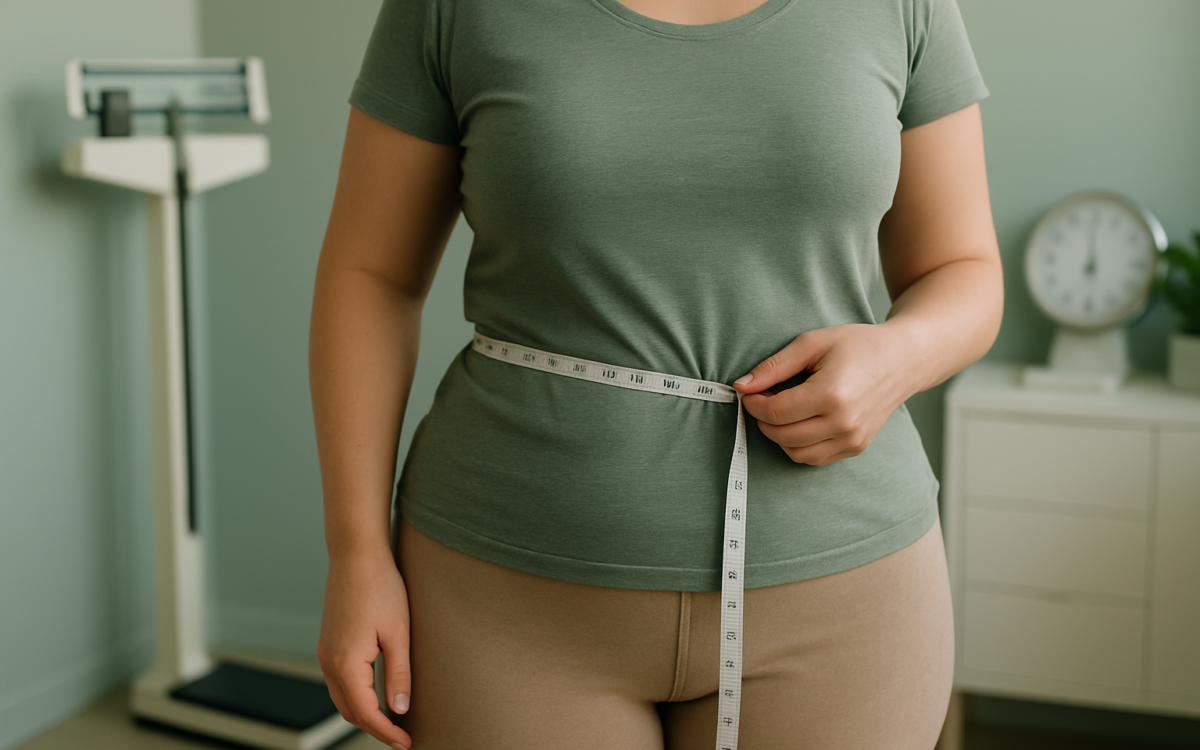
Many people start their weight loss journey with the goal of shedding 20 pounds. Whether it’s for health reasons, an upcoming event, or simply to feel better in your skin, understanding how long this process may take can help set realistic expectations. In this article, we’ll explore the average timeline for losing 20 pounds, factors that influence weight loss, tips to make the journey easier, and when to seek professional advice.
Average Timeline for Losing 20 Pounds
The timeframe to lose 20 pounds can vary significantly based on individual circumstances. On average, a safe and sustainable weight loss rate is about 1 to 2 pounds per week. This timeframe suggests that losing 20 pounds could take anywhere from 10 to 20 weeks.
Defining Your Weight Loss Goals
Before starting, it’s essential to define your goals clearly. Are you looking to achieve this weight loss for a specific event or to improve your overall health? Understanding your motivation can influence how committed you are to the journey.
Factors That Affect Weight Loss
Several factors can impact your weight loss timeline, including:
- Dietary Habits: The types of foods you eat play a significant role in weight loss. A balanced diet that includes plenty of fruits, vegetables, lean proteins, and whole grains is beneficial.
- Physical Activity: Regular exercise burns calories and contributes to muscle toning, which can enhance metabolic rates.
- Age and Gender: Metabolism tends to slow with age, and biological differences can lead to variations in weight loss rates between genders.
- Genetics: Your genetic makeup can influence how your body responds to food and exercise.
Additionally, psychological factors such as motivation and stress can also impact your success.
Creating a Sustainable Weight Loss Plan
To lose weight effectively and safely, it’s essential to create a sustainable plan that incorporates healthy eating and regular physical activity.
Healthy Eating Guidelines
Consider implementing these dietary changes:
- Portion Control: Be mindful of portion sizes to avoid overeating.
- Limit Processed Foods: Minimize your intake of fast foods, sugary drinks, and high-fat snacks.
- Stay Hydrated: Drinking plenty of water can help control hunger.
- Plan Meals: Preparing meals in advance can help you make healthier choices.
Consulting with a nutritionist or dietitian can provide tailored advice and support as you embark on your weight loss journey.
Incorporating Exercise
Regular physical activity is crucial for weight loss. Aim for at least 150 minutes of moderate aerobic activity or 75 minutes of vigorous activity per week, in combination with muscle-strengthening exercises twice a week. Activities like walking, running, swimming, and cycling can be part of your routine. If traditional workouts aren’t your thing, consider engaging in sports or other fun activities.
International Considerations
If you’re exploring options for medical or nutritional support, you might consider international treatment perspectives. For example, Acibadem International offers comprehensive health programs, including specialized weight loss clinics that can provide a tailored approach to your goals, blending global expertise with personal care.
Staying Motivated and Tracking Progress
Keeping track of your progress can give you motivation along the way. Consider using apps to monitor your food intake and exercise. Setting smaller milestones, such as losing 5 pounds at a time, can make the goal feel more achievable and rewarding.
Understanding Setbacks
Remember that weight loss is not always linear. Plateaus and setbacks are normal parts of the journey. Stay focused on your overall goals and be patient with yourself.
When to See a Doctor
Consult your doctor or a registered dietitian before starting any weight loss program, especially if you have underlying health issues. If you notice significant weight loss that’s not due to diet or exercise, or if you encounter persistent struggles despite your best efforts, it might be time to seek professional advice.
Conclusion
Ultimately, the time it takes to lose 20 pounds depends on various factors unique to each individual. By setting realistic goals, adopting sustainable eating and exercise habits, and remaining patient, you can create a successful path toward reaching your weight loss goals.
