
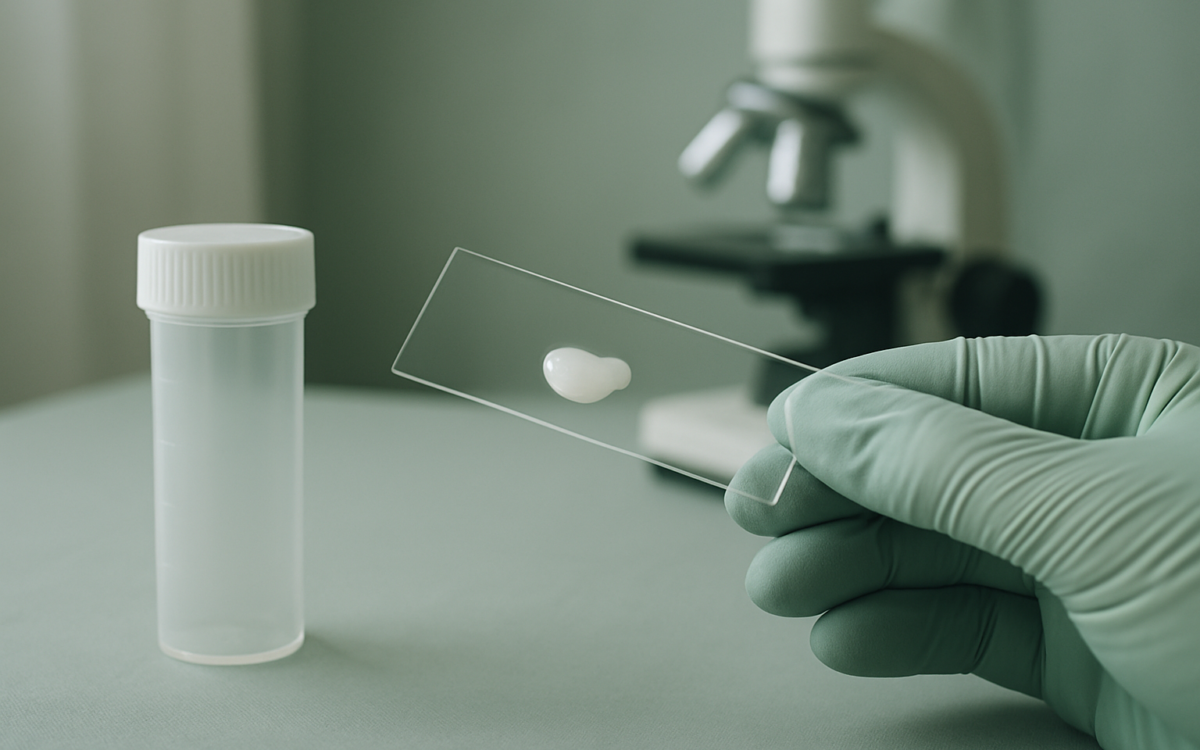
When it comes to understanding human reproduction, many people have questions about sperm and its various lifespans. One common inquiry is about how long sperm can survive outside the body. This topic is important not only for those trying to conceive but also for anyone who wants to understand human biology better. Let’s take a closer look at this interesting subject.
What is Sperm?
Sperm are the male reproductive cells found in semen, which is the fluid that carries sperm. The production of sperm occurs in the testicles, where they undergo a complex process of development known as spermatogenesis. Once they are fully matured, sperm are stored in the epididymis until ejaculation. Each sperm cell is tiny, measuring about 0.05 mm in length, but its role in reproduction is monumental.
Sperm Survival Outside the Body
Once sperm are outside the body, their survival is affected by various factors, including the environment. Generally, sperm can survive for a short period in open air, but the time varies significantly based on specific conditions.
On Dry Surfaces
When sperm are deposited on a dry surface—like clothing, floors, or furniture—they usually dry out quickly. In these circumstances, sperm typically lose their mobility within a few minutes to an hour. Once dry, sperm typically can no longer fertilize an egg.
In Fluid Environments
In contrast, sperm can survive slightly longer in moist environments, such as water or bodily fluids. If sperm are in a liquid medium, they may remain viable for a few hours to even a couple of days, depending on the specific conditions. For example, sperm can live longer in vaginal secretions compared to being exposed to air.
Factors Affecting Sperm Lifespan
Several factors influence how long sperm can survive outside the body, including:
- Environmental Temperature: Sperm are sensitive to temperature changes. They generally thrive in a temperature range close to the body’s internal temperature (around 98.6°F). Higher temperatures—like those found in direct sunlight—can quickly kill sperm.
- Moisture Levels: As mentioned, sperm can last longer in moist conditions compared to being dry. The presence of moisture helps preserve sperm viability.
- pH Levels: Sperm prefer a slightly alkaline environment to survive. Extreme pH levels can damage sperm and reduce their lifespan significantly.
- Presence of Other Substances: Chemicals, detergents, and other substances on surfaces can break down sperm cells. In such situations, sperm may survive only for a matter of minutes.
How Does This Affect Conception?
Understanding sperm viability is essential for couples trying to conceive. Sperm must be viable when they enter the female reproductive system to cause fertilization. Healthy sperm can live for up to five days within a woman’s reproductive tract once inside, allowing for time for ovulation. However, if the sperm are outside the body and in an unfavorable environment, their chances of fertilization plummet.
Myths and Misconceptions
There are many myths surrounding sperm and its survival. Some people believe that sperm can remain viable on surfaces such as toilet seats or in swimming pools, which is largely unfounded. The reality is that sperm quickly become non-functional outside the body due to drying and environmental factors.
Common Misunderstandings
- Sperm Can Live Indefinitely Outside the Body: This is not true. Sperm cannot live indefinitely outside the body and lose their functionality quickly when exposed to dry air or unsuitable conditions.
- Heat Kills Sperm Instantly: While excessive heat can damage sperm quickly, it doesn’t necessarily kill them instantly, depending on the duration of exposure.
When to See a Doctor
If you have concerns about fertility or reproductive health, consider consulting a healthcare professional. They can provide you with personalized advice based on your individual situation, including factors that may be affecting sperm quality or viability.
Conclusion
Understanding how long sperm survive outside the body is a combination of biology and environmental science. Generally, sperm can last only a short while outside the body, influenced significantly by factors like temperature, moisture, and surrounding conditions. If you’re looking for more information on reproduction and sperm health, reputable sources like the NIH and Mayo Clinic provide a wealth of information. Remember, for any personal concerns, it’s always a good idea to consult a healthcare provider.
