
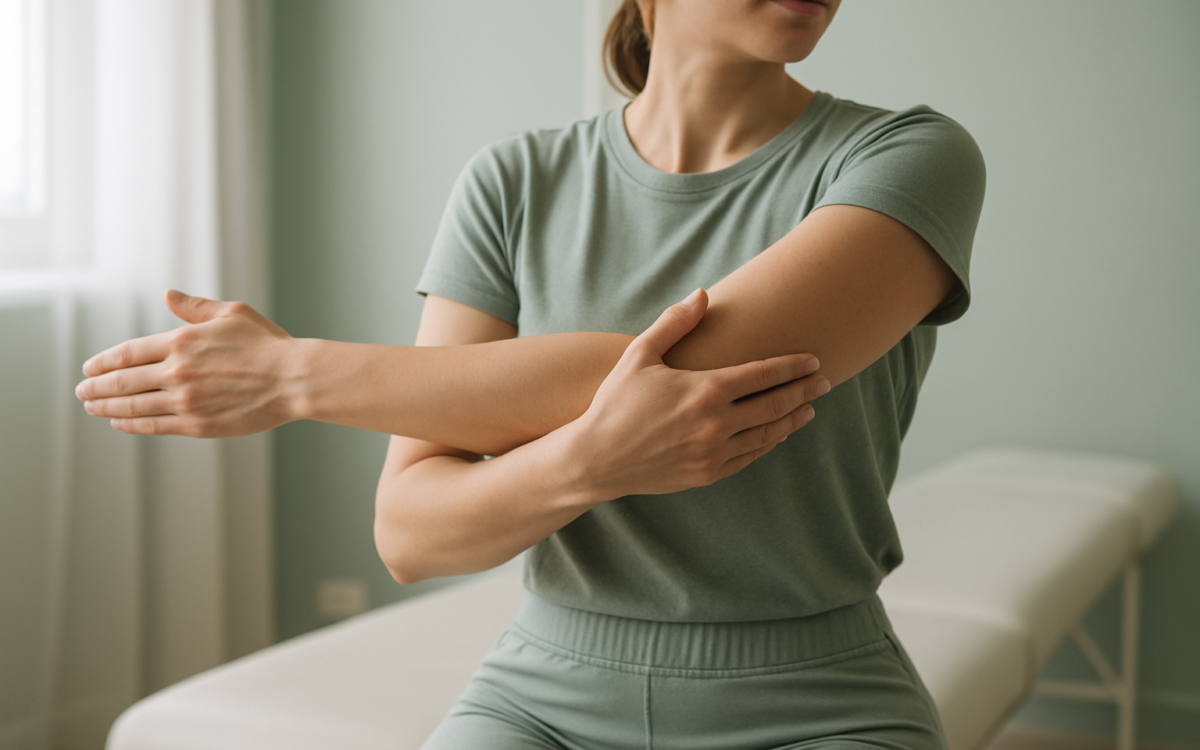
When we hear the word “stretching,” many of us think of warming up before a run or the comforting feeling of reaching for something just out of grasp. But stretching is more than just a physical activity; it plays a crucial role in our overall health and well-being. In this article, we’ll explore the various meanings of stretching, its benefits, and the best ways to incorporate it into your daily routine.
The Basics: What Does Stretching Mean?
Stretching involves elongating the muscles, tendons, and other connective tissues to improve flexibility and range of motion. This practice can be passive (where an external force creates tension) or active (where you actively engage your muscles). While many people think of stretching as merely a pre-workout ritual, it is also an essential part of recovery and injury prevention.
Types of Stretching
Understanding the different types of stretching can help you prioritize what’s best for your body:
- Static stretching: Involves holding a stretch for a period of time (usually around 15-60 seconds). This is typically done after a workout to help cool down the muscles.
- Dynamic stretching: Involves moving parts of your body through a full range of motion. This form is ideal as part of your warm-up routine, helping to prepare your body for physical activity.
- Ballistic stretching: Involves bouncing motions to push your muscles beyond their normal range of motion. This method can increase the risk of injury, so it is generally recommended only for athletes under professional guidance.
- PNF stretching: Proprioceptive Neuromuscular Facilitation (PNF) involves both stretching and contracting the muscle group being targeted. This technique is often utilized in physical therapy settings.
Why Stretching is Important
Stretching is essential for several reasons:
- Enhancing flexibility: Regular stretching can improve your flexibility, allowing for better performance in physical activities and reducing the risk of injury.
- Increasing range of motion: Improved flexibility can enhance your range of motion in joints, aiding in everyday tasks and athletic performance.
- Reducing muscle tension: Stretching can help relieve muscle tension, promoting relaxation and decreasing stress levels.
- Enhancing blood circulation: Stretching can increase blood flow to your muscles, helping with recovery post-exercise.
Incorporating Stretching into Your Routine
Here are some tips for effectively incorporating stretching into your daily routine:
- Warm-up before stretching: Engage in light aerobic activity for about 5-10 minutes to warm up your muscles. This could include brisk walking or gentle cycling.
- Focus on major muscle groups: When stretching, pay special attention to areas that are often tight, like the back, legs, and shoulders.
- Be consistent: Aim to stretch at least a few times a week, if not daily. Consistency is key to seeing improvement.
- Listen to your body: Never push a stretch to the point of pain. If you feel discomfort, ease back until you find a comfortable stretch.
- Explore international options: For those seeking specialized care, consider options like [treatment in Turkey](https://acibademinternational.com), where various clinics offer expert advice on stretching techniques and rehabilitation therapies.
The Science Behind Stretching
Research indicates that there are both short-term and long-term benefits to stretching. A study from the National Institutes of Health found that stretching can enhance flexibility, improve athletic performance, and reduce soreness following physical activity (National Institutes of Health). Additionally, a comprehensive review published in the Journal of Physical Therapy Science highlighted the effectiveness of stretching in injury prevention and rehabilitation.
When to See a Doctor
If you experience persistent pain or discomfort while stretching, it’s crucial to consult a healthcare provider. They can assess your condition, provide personalized advice, and determine if any underlying issues need to be addressed. Additionally, individuals recovering from injuries should seek medical guidance before resuming stretching activities.
Stretching is a valuable practice rooted in the necessity of maintaining physical health and mobility. By understanding its meaning and benefits, you’re better equipped to incorporate it into your lifestyle—promoting not only physical flexibility but also enhancing your overall well-being.
