
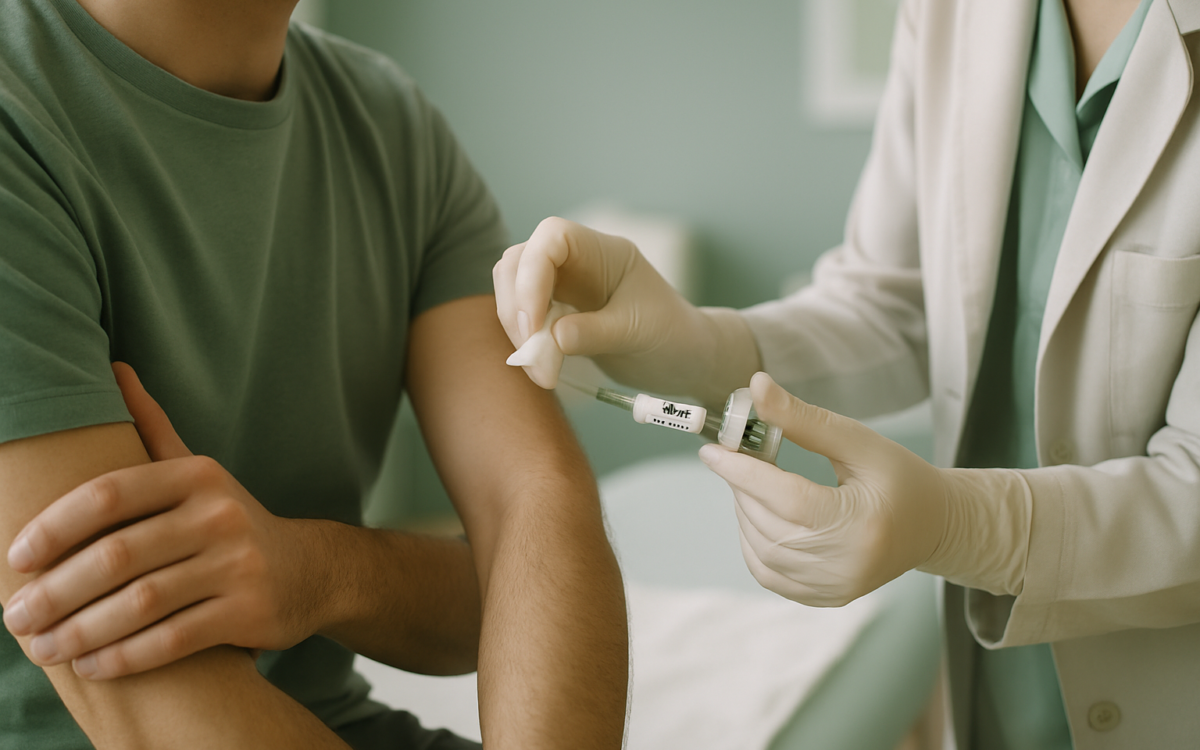
The MMR vaccine, which protects against measles, mumps, and rubella, is commonly associated with childhood immunization. However, adults also benefit from this vaccine, especially if they missed their doses as children or are at higher risk. Understanding the timing of the MMR second dose is crucial for ensuring optimal protection against these potentially serious illnesses.
What is the MMR Vaccine?
The MMR vaccine is a combined immunization that helps prevent three contagious diseases: measles, mumps, and rubella. Each of these diseases can lead to severe health complications. For example, measles can cause brain damage and pneumonia, while mumps can lead to swelling of the brain and orchitis (swelling of the testicles in males).
This vaccine is generally given in two doses during childhood, with the first dose usually administered around 12-15 months of age and the second dose given between ages 4 and 6 years. However, adults who have not received these doses or lack immunity must also consider getting vaccinated.
Why Do Adults Need a Second Dose?
For adults, the second dose of the MMR vaccine may not always be top of mind, yet it plays a vital role in ensuring lifelong immunity. Many adults may not remember their vaccination history, leading to uncertainty about their immune status. A second dose is especially important in specific situations:
- Travel Plans: If you are traveling to areas where measles outbreaks have occurred, a second dose can reduce your risk of infection.
- Profession Risks: Certain jobs, especially in healthcare or education, increase exposure to these diseases, making the second dose more critical.
- Higher Community Risk: When there are measles outbreaks in a community, the second dose becomes more pertinent for adults who are not fully vaccinated.
When Should Adults Get the MMR Second Dose?
The CDC recommends adults who were born in 1957 or later without documented immunity to receive at least one dose of the MMR vaccine. For those who need a second dose, it is generally advised that adults wait at least 28 days after receiving the first dose before getting the second. Here’s a simplified look at the timing:
- If two doses are recommended, the second dose should be given at least 28 days after the first dose.
- For adults who are unsure of their vaccine status, discussing vaccination with a healthcare provider can help determine if a second dose is appropriate.
Understanding your vaccination history is key. Patients can submit blood samples to check their immunity status for measles, mumps, and rubella. This may not only help individuals ensure they are protected but could also serve as valuable information for those traveling internationally where vaccination requirements may differ.
International Perspectives on the MMR Vaccine
The need for the MMR vaccine is recognized globally, and vaccination schedules can vary by country. Some places may require proof of vaccination for entry, particularly in regions experiencing outbreaks. Websites like international patient services may assist travelers in understanding vaccination requirements and schedules tailored to specific countries.
It is crucial to consult with a healthcare provider for personalized advice, particularly if you’re planning to travel abroad. They can provide guidance on whether you need additional doses based on current health recommendations.
Possible Side Effects of the MMR Vaccine
<pLike any vaccine, the MMR vaccine can have side effects, though most are mild and temporary. Common side effects may include:
- Fever
- Mild rash
- Swelling at the injection site
Serious side effects are rare but can occur. Individuals should always discuss potential reactions with their healthcare provider, particularly if they have a history of severe allergies.
Staying Informed: Latest Recommendations
<pMedical guidelines regarding vaccinations can evolve. Organizations like the CDC and the WHO offer the most current information regarding vaccination schedules and recommendations. It’s essential to stay informed about these recommendations, especially as they can change due to public health needs, such as an increase in measles cases.
Consulting Your Doctor
Understanding your vaccination needs can be overwhelming, but your healthcare provider is a valuable resource. If you have questions about the MMR second dose timing for adults or other immunizations, don’t hesitate to reach out. They can help clarify your situation based on your health history, current risks, and any travel plans you might have.
When to See a Doctor
If you experience severe reactions after receiving the vaccine or if you suspect you or someone you know might be infected with measles, mumps, or rubella, it’s critical to consult a healthcare professional immediately. Early detection and intervention can prevent complications and further spread of these diseases.
Conclusion
The second dose of the MMR vaccine is crucial for adults who have previously been vaccinated or are unsure of their immunization status. Taking the time to understand the timing and importance of the second dose ensures better protection against these preventable diseases. Consult your doctor for personalized recommendations, especially if you plan to travel or are in a high-risk profession.
