
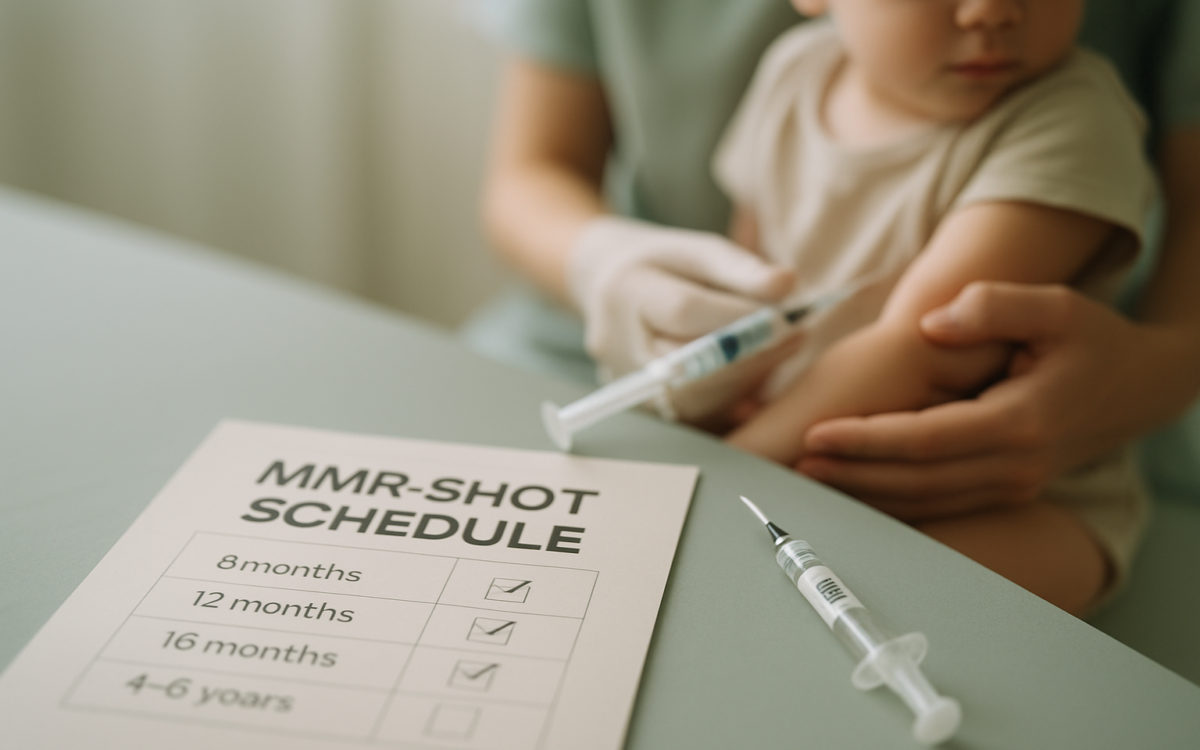
The MMR vaccine is one of the essential immunizations that protects children from measles, mumps, and rubella—three contagious diseases that can lead to serious health complications. Understanding the MMR shot schedule will empower you to ensure your child is vaccinated on time, ultimately keeping them safe and healthy. In this article, we’ll cover the recommended vaccination schedule, the importance of these vaccines, side effects, and when to seek medical advice.
What is the MMR Vaccine?
The MMR vaccine is a combination vaccine that provides protection against three serious diseases: measles, mumps, and rubella. Each of these diseases can cause severe health issues, including hospitalization and even death in some cases. The vaccine contains weakened forms of these viruses, which stimulate the body’s immune response without causing the diseases themselves. According to the CDC, the MMR vaccine is highly effective and significantly reduces the risk of outbreaks.
Recommended MMR Shot Schedule
The typical MMR vaccination schedule includes two doses. Here’s a breakdown:
- First Dose: The first dose is generally given between 12 and 15 months of age. This is when the child’s immune system is ready to build a strong defense.
- Second Dose: The second dose is usually administered between 4 and 6 years of age before the child starts school. It ensures long-term immunity and maximizes protection against these diseases.
It’s worth noting that children can receive the MMR vaccine as early as 6 months old if traveling internationally, but this will require an additional dose later on to ensure proper immunity.
Why the MMR Vaccination is Important
The MMR vaccine plays a critical role in public health by combating these highly contagious diseases. Measles is known for causing severe complications, including pneumonia and encephalitis, while mumps can lead to deafness and orchitis in males. Rubella, while often less severe, can lead to serious consequences if contracted during pregnancy, including miscarriage and congenital rubella syndrome.
Vaccinating children helps not only protect them but also contributes to herd immunity, reducing the overall spread of these diseases in the community. The World Health Organization stresses the importance of maintaining high vaccination coverage to prevent outbreaks, particularly as some regions experience declining vaccination rates.
Potential Side Effects of the MMR Vaccine
Like any vaccine, the MMR vaccine may cause some side effects, but they are usually mild and temporary. Common side effects include:
- Mild fever
- Rash
- Swelling at the injection site
In rare cases, more serious side effects can occur, such as allergic reactions or seizures. However, these instances are very uncommon, and the benefits of vaccination greatly outweigh the risks for most children. Always discuss any concerns with your child’s healthcare provider.
When to See a Doctor
If you notice any of the following symptoms after your child’s MMR vaccination, it’s essential to seek medical advice:
- High fever (over 104°F or 40°C)
- Severe allergic reaction (difficulty breathing, swelling of the face or throat)
- Persistent crying for more than three hours
- Signs of seizures
While most children tolerate the vaccine well, it’s always good to stay vigilant. Speaking with your healthcare provider can help clarify what symptoms are normal and what might require further attention.
Staying Informed and Up-to-Date
As a parent, keeping track of your child’s vaccination schedule can feel overwhelming at times. It’s crucial to maintain open communication with your child’s healthcare provider. You may consider using a personal health record or an app to help track vaccinations.
The CDC and your healthcare provider can provide the latest information and updates regarding the MMR vaccine and any changes to the recommended schedule. Staying informed and proactive can help your child lead a healthier life.
In conclusion, the MMR vaccine is a vital part of keeping children healthy and preventing outbreaks of serious diseases. Following the recommended vaccination schedule is essential to ensure your child is adequately protected, contributing to both their safety and the public health of your community.
