
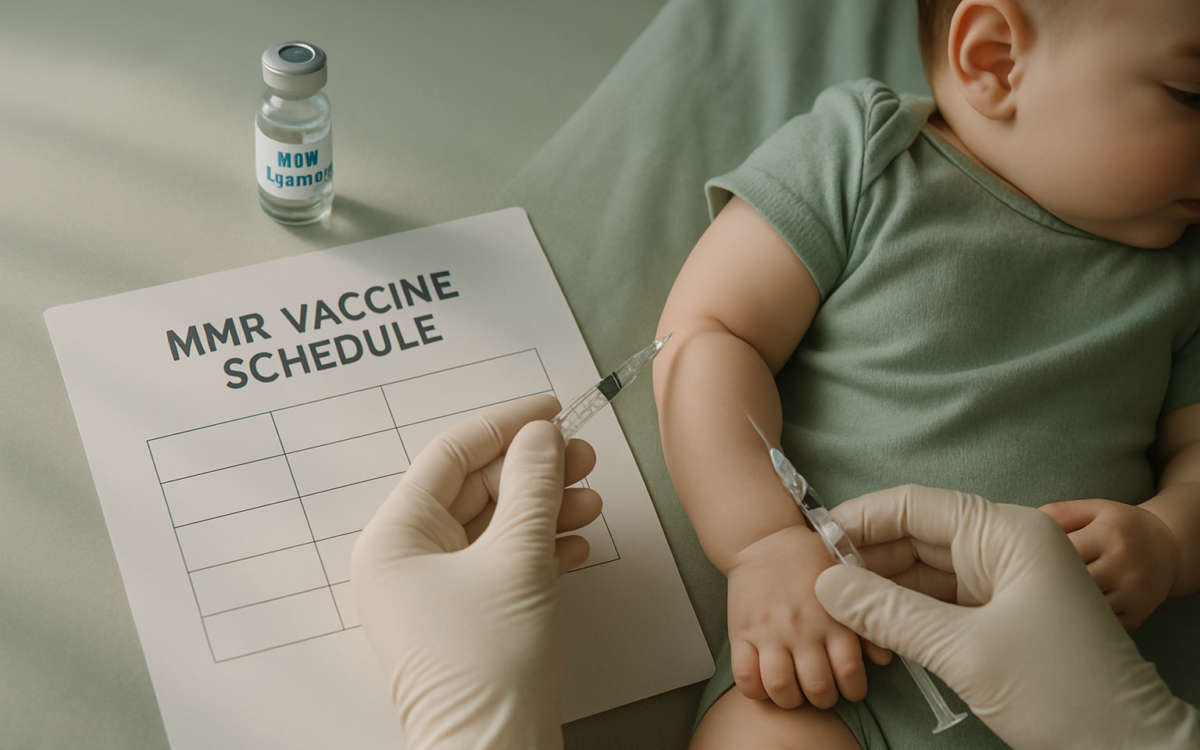
Vaccines are one of the most effective tools in medicine to prevent serious diseases. Among these, the MMR vaccine protects against measles, mumps, and rubella, three highly infectious diseases. Understanding the MMR vaccine schedule is crucial, especially for parents planning their children’s vaccinations. This article provides a clear overview of the MMR vaccine schedule, its importance, and what you should know.
What is the MMR vaccine?
The MMR vaccine is a combination vaccine that safeguards against measles, mumps, and rubella. Measles can lead to severe complications, including pneumonia and encephalitis, while mumps can cause swelling of the brain and orchitis in males. Rubella is particularly dangerous during pregnancy, as it can cause congenital defects in the developing fetus. By immunizing against these diseases, the MMR vaccine plays a vital role in public health.
When is the MMR vaccine given?
The MMR vaccine is typically administered in two doses. The first dose is recommended for children between 12 to 15 months of age, while the second dose should be given between 4 to 6 years old, usually before the child enters school. It’s important to follow this schedule to ensure the best immunity against these diseases.
Understanding the MMR vaccine schedule
Here’s a quick look at the recommended MMR vaccine schedule:
- First Dose: 12-15 months
- Second Dose: 4-6 years
Some individuals may receive the vaccine later in life. For those who missed the vaccine during childhood, it’s recommended to get vaccinated at any age, particularly before travel to areas where these diseases are more common.
Why is the MMR vaccine important?
The MMR vaccine is vital for several reasons:
- Prevention of disease: The vaccine is effective in preventing measles, mumps, and rubella, with more than 90% success rate for the first dose and approximately 98% after the second dose.
- Herd immunity: When a significant portion of the population is vaccinated, it helps protect those who cannot be vaccinated, such as infants and individuals with certain medical conditions.
- Public health: Widespread vaccination has significantly reduced the incidence of these diseases, contributing to overall community health.
Reports indicate that the MMR vaccine has led to a dramatic increase in immunization rates and a substantial decrease in the number of cases of these serious diseases. For more detailed statistics, you can refer to data provided by the CDC.
Vaccination and travel considerations
If you or your child plans to travel internationally, it is essential to ensure you’re up to date on vaccinations. Many countries have outbreaks of measles or mumps, and being vaccinated can help prevent the spread of these diseases. The CDC advises that travelers should receive their MMR vaccine at least 2 weeks before departure. If you are unsure of your vaccination status, consult with your healthcare provider.
Possible side effects of the MMR vaccine
Like all vaccines, the MMR vaccine can cause side effects, although most are mild and temporary. Common side effects include:
- Mild fever
- Rash
- Soreness at the injection site
Serious side effects are very rare. If a child experiences high fever or unusual symptoms, it’s important to seek medical advice. For more information on side effects, the World Health Organization provides detailed guidelines.
When to see a doctor
If you have questions or concerns regarding the MMR vaccine schedule, or if your child has missed a dose, contact a healthcare provider. Additionally, if you notice any severe reactions after vaccination, such as a high fever or signs of an allergic response, seek medical attention promptly.
Ultimately, vaccination is a personal decision that should be made in consultation with your healthcare provider.
Conclusion
The MMR vaccine is a crucial element of childhood vaccinations, protecting against serious diseases that can have lasting impacts on health. Following the recommended schedule not only helps protect individual children but also contributes to community immunity. Ensuring that your child is vaccinated on time is an essential part of safeguarding their health and the health of others.
