
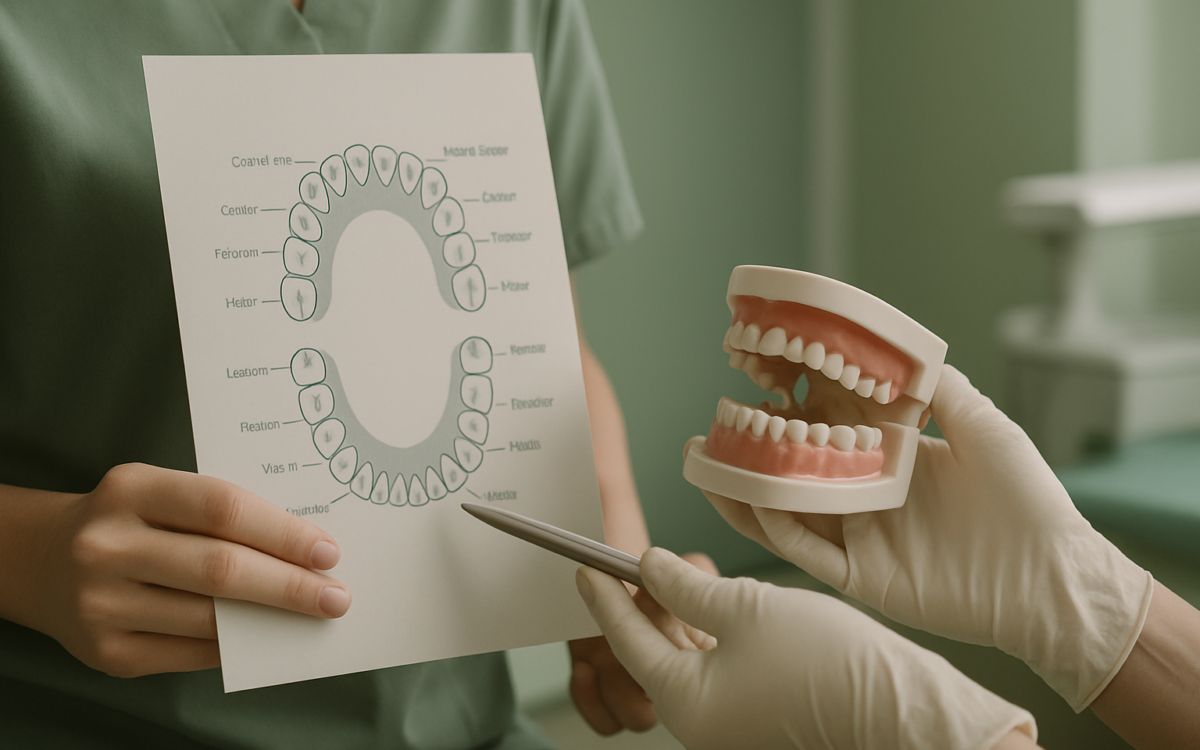
Your teeth are not just tools for chewing; they play a vital role in your overall health. Understanding the names and functions of each type of tooth can help you appreciate their importance and maintain better dental hygiene. This article will guide you through the different types of teeth, their specific roles, and what they contribute to your oral health.
The Types of Teeth
Humans have four main types of teeth, each designed for specific functions. Knowing the names and roles of these teeth can help you understand how to care for them better.
1. Incisors
Incisors are the front teeth, and we have a total of eight of them—four on the top and four on the bottom. Their primary purpose is to cut food. The sharp edges of the incisors make them perfect for biting into fruits, vegetables, and other soft foods.
2. Canines
Located next to the incisors, canines are pointy and are often referred to as cuspids. They are four in total, two on the top and two on the bottom. Canines are designed for tearing food, particularly meat. Their pointed shape allows them to puncture and rip food apart effectively.
3. Premolars
Premolars, or bicuspids, serve as transitional teeth between canines and molars. Adults typically have eight premolars, four on the top and four on the bottom. These teeth have a flat surface with ridges, making them ideal for crushing and grinding food. They play a vital role in preparing food for swallowing and digestion.
4. Molars
Molars are the largest teeth in your mouth and are located at the back. Adults usually have twelve molars, three on each side of the top and bottom. Molars have a broad and flat surface, allowing them to grind and chew food thoroughly. This is particularly important for breaking down food into smaller pieces for digestion.
5. Wisdom Teeth
Wisdom teeth, or third molars, usually appear between the ages of 17 and 25. Most people have four wisdom teeth, but some may have fewer or none at all. While they were once necessary for our ancestors who had a rougher diet, wisdom teeth often become impacted or cause problems due to lack of space in modern mouths. Many people end up having them removed.
The Importance of Each Tooth Type
Each type of tooth plays a unique role in your dental health:
- Incisors: Fantastic for cutting food.
- Canines: Perfect for tearing, especially meats.
- Premolars: Effective at crushing and grinding.
- Molars: Essential for thorough chewing and digestion.
- Wisdom Teeth: Their role is debatable, often more problematic than beneficial.
Keeping Your Teeth Healthy
Maintaining the health of your teeth is crucial for overall well-being. Here are some essential tips for taking care of your pearly whites:
- Brush twice daily: Use a fluoride toothpaste and a soft-bristled toothbrush.
- Floss daily: This helps remove food particles and plaque between teeth.
- Visit your dentist regularly: Professional cleanings and check-ups are vital.
- Limit sugary foods and drinks: Sugar contributes to tooth decay.
- Stay hydrated: Water helps wash away food particles and bacteria.
When to See a Doctor
If you experience any of the following symptoms, it may be time to consult your dentist:
- Persistent toothache or pain in your gums
- Swollen or bleeding gums
- Sensitivity to hot or cold foods
- Discoloration or changes in your teeth
- Difficulty chewing or swallowing
Conclusion
Understanding the names and functions of your teeth is essential for maintaining good oral health. From incisors to molars, each type plays a critical role in chewing and digestion. By taking proper care of your teeth and visiting your dentist regularly, you can ensure a healthy mouth and a beautiful smile. For more information on dental health, consider checking resources like the Mayo Clinic or the NIH.
