
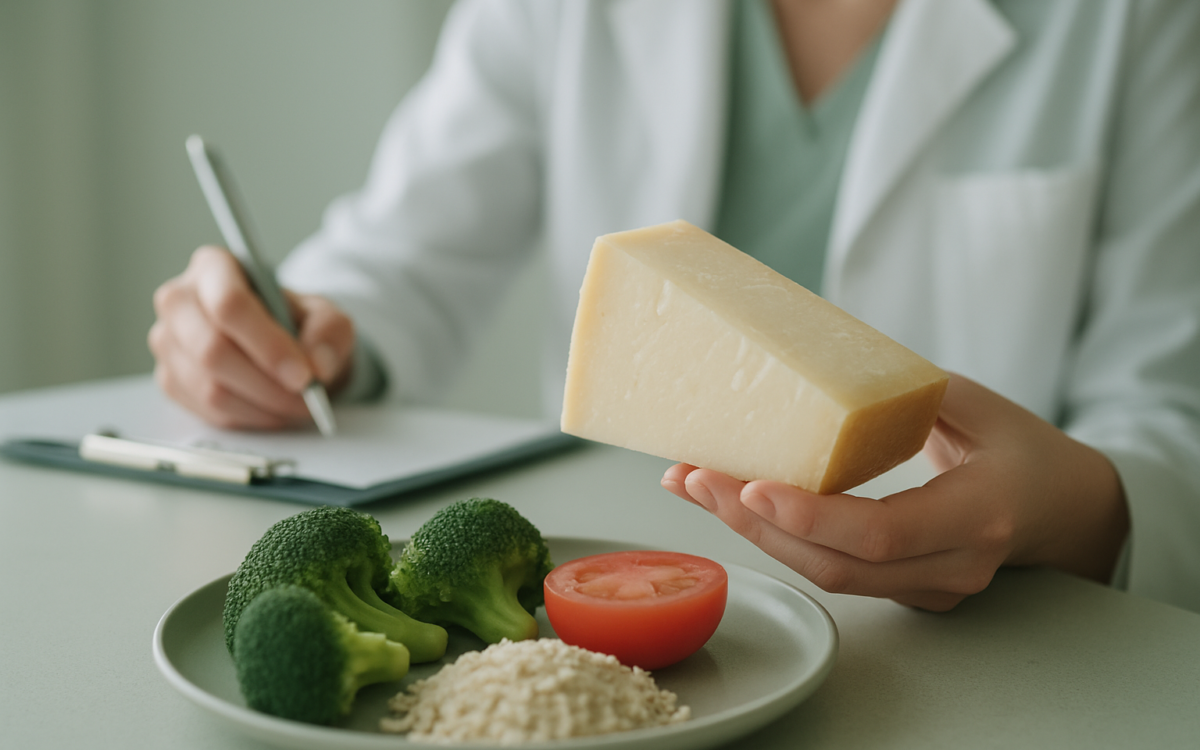
Parmesan cheese is more than just a flavorful addition to your favorite pasta dishes. This hard cheese, originating from Italy, is packed with nutrients that can benefit your health. Whether you sprinkle it on salads or enjoy it as a snack, understanding the nutrition behind Parmesan can help you make healthier dietary choices.
What Is Parmesan Cheese?
Parmesan, or Parmigiano-Reggiano, is a hard, granular cheese made from cow’s milk. It has a rich history and is protected by strict regulations in its home region of Emilia-Romagna, Italy. To be labeled as Parmigiano-Reggiano, the cheese must meet specific standards, ensuring its quality and flavor. This cheese is usually aged between 12 to 36 months, allowing it to develop a complex taste.
Nutritional Profile of Parmesan Cheese
Parmesan cheese boasts a robust nutritional profile. Here are some key components:
- Calories: Approximately 110 calories per ounce.
- Protein: About 10 grams of protein, making it a great option for muscle maintenance and growth.
- Calcium: Contains around 330 mg of calcium, which is vital for strong bones and teeth.
- Fat: Has about 7 grams of fat, mostly saturated, contributing to its rich texture.
- Lactose: Low in lactose, it is often tolerated by those who are lactose intolerant.
This impressive nutritional content makes Parmesan cheese not just a delicious topping but also a valuable addition to a balanced diet.
Health Benefits of Parmesan Cheese
Incorporating Parmesan into your meals can provide various health benefits:
1. Bone Health
The high calcium content in Parmesan cheese plays a crucial role in supporting bone health. Calcium is essential for the development and maintenance of bone density, helping to prevent osteoporosis, especially as we age. The United States National Institutes of Health highlights the importance of calcium in promoting bone health, stating that dairy products are often key dietary sources of this mineral (NIH).
2. A Source of High-Quality Protein
Protein is essential for building and repairing tissues, hormones, and enzymes. Parmesan cheese offers high-quality protein, making it a great option for those looking to boost their protein intake. Adding Parmesan to your meals can help meet your daily protein needs, especially for individuals engaged in physical activities or muscle-building.
3. Low Lactose Content
Many people experience lactose intolerance, making it challenging to consume dairy products. However, Parmesan contains very little lactose due to the aging process, often allowing those intolerant to enjoy it without discomfort. This makes it a versatile choice for various diets.
4. Rich in beneficial nutrients
Besides calcium and protein, Parmesan cheese is also a source of vitamins and minerals, including:
- Vitamin A: Important for vision and immune function.
- Zinc: Supports immune health and aids in wound healing.
- Vitamin B12: Essential for red blood cell formation and neurological function.
Adding Parmesan to your dishes can enhance not just flavor but also nutrition.
How to Include Parmesan in Your Diet
Incorporating Parmesan into your meals can be delicious and easy. Here are some ideas:
- Salads: Grate Parmesan over fresh salads for an extra taste boost.
- Pasta dishes: Sprinkle Parmesan on pasta or use it in sauces for added creaminess.
- Soups: Add grated Parmesan to soups for additional flavor and nutrition.
- Snacks: Enjoy slices or shavings of Parmesan as a healthy snack option, paired with fruits or nuts.
Experiment with different recipes to fully enjoy and benefit from this nutritious cheese.
Potential Concerns
While Parmesan cheese can be beneficial, there are a few considerations:
- Sodium Content: Parmesan can be high in sodium, which may pose a risk for people with high blood pressure. Moderation is key.
- Allergies: Individuals with dairy allergies should avoid Parmesan or any other dairy products.
Always consult with a healthcare provider if you have questions about dietary restrictions or allergies.
When to See a Doctor
If you experience persistent gastrointestinal discomfort after consuming Parmesan or any cheese, it may be wise to consult a healthcare provider. They can assess whether you have lactose intolerance or a dairy allergy that requires attention. Additionally, if you’re considering significant dietary changes or have health concerns related to calcium and vitamin intake, professional guidance can help.
In conclusion, Parmesan cheese can be a delicious and nutritious component of a balanced diet. With its rich flavor and numerous health benefits, it’s definitely worth considering as a staple in your kitchen. Just remember to enjoy it in moderation, especially for those with dietary restrictions.
