
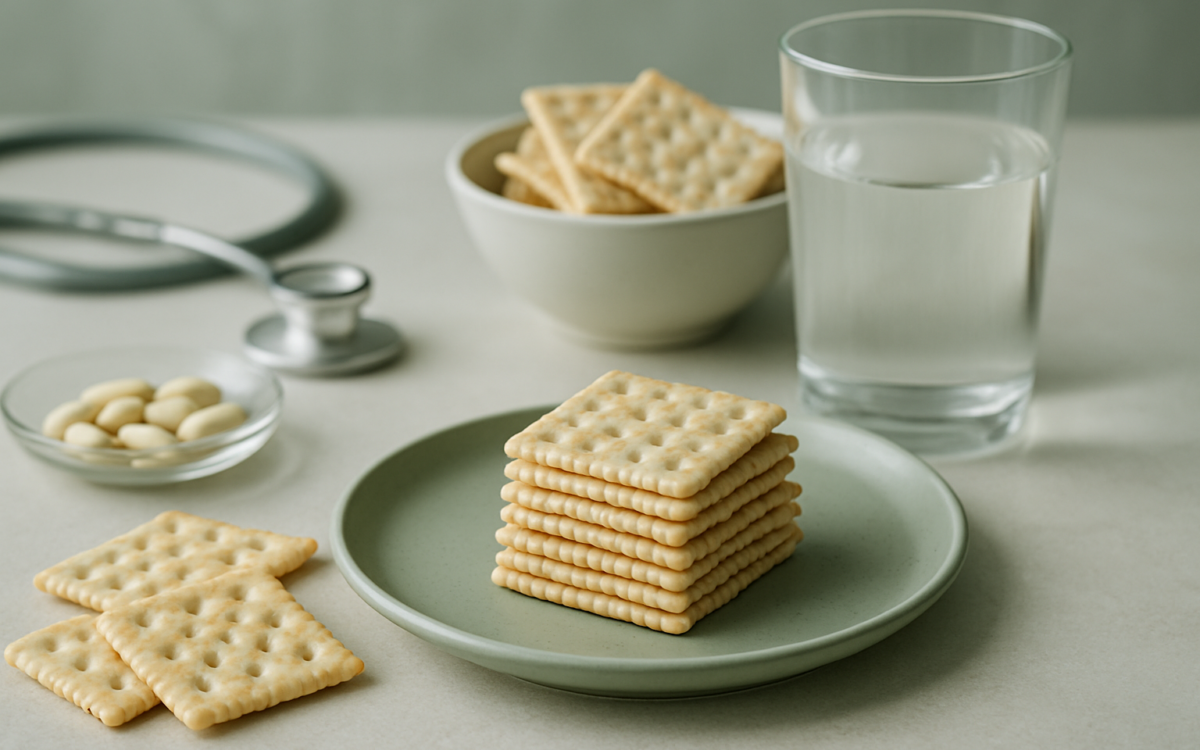
Saltine crackers are a popular snack in many households. They are light, crunchy, and often enjoyed with soup or cheese. But what do we really know about their nutritional value? In this article, we will break down the nutrition in saltine crackers and discuss their place in your diet.
What Are Saltine Crackers?
Saltine crackers, also known as soda crackers, have been a staple in American pantries for generations. Typically made from flour, baking soda, and salt, these crackers are baked until they are crisp. Often enjoyed for their simplicity, they can provide a satisfying crunch while being versatile for both sweet and savory toppings.
Nutritional Breakdown of Saltine Crackers
A standard serving size for saltine crackers is about five to six crackers, which weighs approximately 30 grams. Here’s a closer look at the nutrition you can expect from this serving:
- Calories: About 120
- Total Fat: 1.5 grams
- Sodium: 260 mg
- Total Carbohydrates: 22 grams
- Dietary Fiber: 0.5 grams
- Sugars: 0 grams
- Protein: 2 grams
Saltine crackers are predominantly made up of carbohydrates, with a notable amount of sodium. They are low in fat and provide minimal protein and fiber. While they can be a quick source of energy, it’s essential to consider how they fit into your overall diet.
Health Benefits of Saltine Crackers
Though saltine crackers are often viewed as a simple snack, there are a few potential benefits to consider:
1. Quick Energy Source
The high carbohydrate content means saltine crackers can offer a burst of energy. This can be particularly useful if you need a quick snack on the go.
2. Mild Flavor
The bland taste of saltine crackers makes them an ideal pairing for many other foods, particularly soups and dips. This versatility can help you create balanced snacks that include other food groups, such as proteins or vegetables.
3. Easy on the Stomach
For those experiencing nausea or gastrointestinal distress, saltine crackers can be easy to digest and may help settle the stomach. Their low fiber content makes them a good choice for when you need a gentle option.
Potential Concerns and Downsides
While saltine crackers have their place in a balanced diet, it’s also essential to be aware of some concerns:
1. High Sodium Content
A single serving can provide about 11% of the recommended daily limit for sodium intake. Consuming too much sodium can lead to several health issues, including high blood pressure and increased risk of heart disease. The CDC recommends monitoring sodium intake, especially for individuals with heart conditions.
2. Low Nutrient Density
Saltine crackers are low in essential nutrients, such as vitamins and minerals. Relying on them too heavily as a snack can lead to nutritional gaps in your diet.
3. Lack of Fiber
The minimal fiber content means that saltine crackers won’t keep you full for long. Better options for snacking include whole grains, fruits, or vegetables that provide both fiber and more nutrients.
How to Incorporate Saltine Crackers in Your Diet
If you enjoy saltine crackers, there are various ways to make them a part of a nutritious diet:
- Top with Healthy Options: Spread some natural peanut butter or almond butter on a few crackers for a protein boost.
- Pair with Soups: Use them as a crunchy accompaniment to soups. This allows you to consume other nutrient-rich foods simultaneously.
- In Moderation: Enjoy them as a treat rather than a staple. Balance them with other snacks that provide higher nutrient value.
When to See a Doctor
If you find yourself experiencing consistent stomach issues, nausea, or digestive discomfort after consuming crackers or similar foods, it may be time to consult a healthcare professional. They can help identify any potential food sensitivities or underlying health conditions.
Conclusion
Saltine crackers can be a convenient and enjoyable snack option; however, they should be consumed mindfully due to their high sodium content and low nutrient value. When enjoyed as part of a varied and balanced diet, they can be a delightful accompaniment to meals or a simple snack. Remember, moderation is key, and paying attention to the overall nutritional quality of your diet will ensure you remain healthy and satisfied.
