
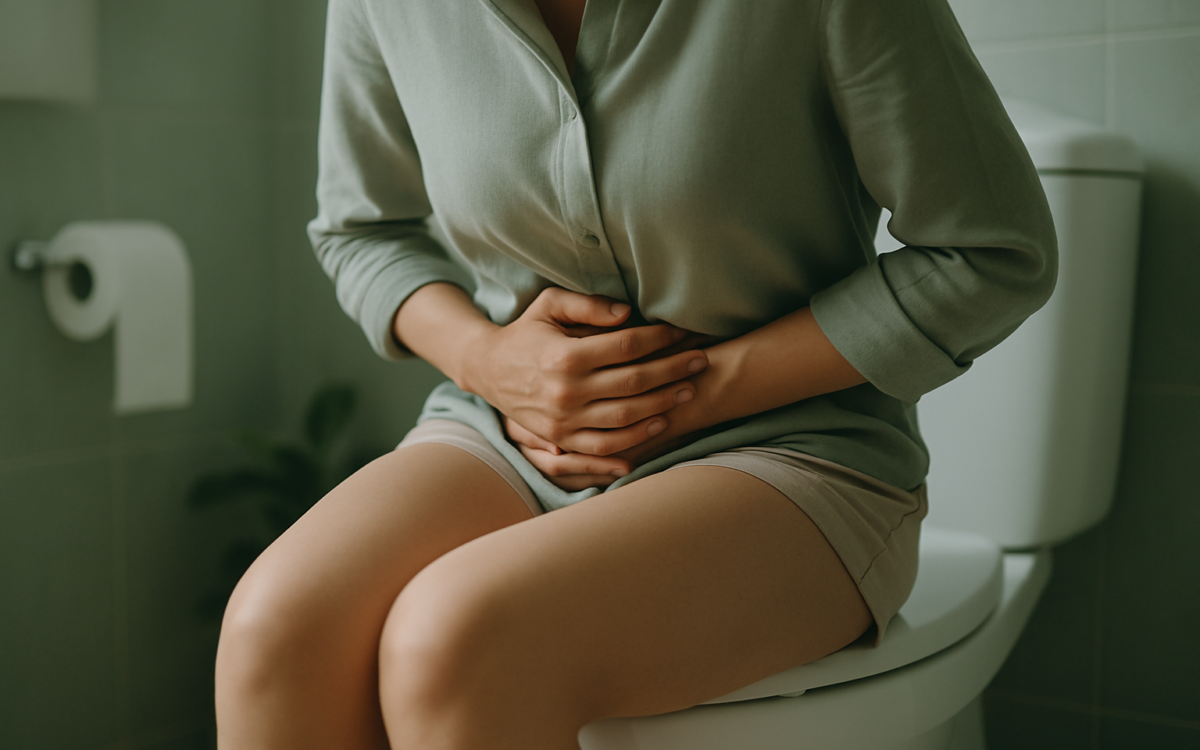
Experiencing pain during a bowel movement can be unsettling. This discomfort may prompt a range of emotions from embarrassment to concern about underlying health issues. While it’s a common experience, understanding the reasons behind it is essential for finding relief and ensuring your digestive health. In this article, we’ll explore several factors that could cause pain when you poop.
Common Causes of Painful Bowel Movements
There are various reasons why you might experience pain while pooping. Here are some common causes:
- Constipation: One of the leading causes of pain during bowel movements is constipation. This occurs when stool becomes hard and difficult to pass, resulting in straining and discomfort. A lack of fiber, insufficient water intake, and a sedentary lifestyle can contribute to constipation.
- Hemorrhoids: Swollen blood vessels in the rectal area can lead to hemorrhoids, which may cause significant pain and discomfort, especially during bowel movements. Other symptoms include itching and bleeding.
- Anal Fissures: Small tears in the lining of the anus, known as anal fissures, can lead to sharp pain during and after bowel movements. Anal fissures can result from passing hard stools or from frequent diarrhea.
- Irritable Bowel Syndrome (IBS): A common gastrointestinal disorder, IBS can lead to abdominal pain, bloating, and changes in bowel habits, including painful poop. Stress and certain foods can trigger symptoms.
How Diet Impacts Bowel Movement Pain
Your diet plays a crucial role in your digestive health. Eating foods high in fiber, such as fruits, vegetables, and whole grains, helps soften stool and promote regular bowel movements. Conversely, a diet low in fiber can contribute to constipation and, in turn, painful bowel movements.
Here are some dietary tips to help prevent painful poop:
- Increase Fiber Intake: Aim for a balanced diet that includes plenty of fiber. Foods like beans, lentils, peas, and nuts can help.
- Stay Hydrated: Drinking enough water is vital for digestion. Dehydration can lead to hard stools and constipation.
- Avoid Trigger Foods: If you have IBS or other digestive conditions, certain foods may exacerbate symptoms. Keeping a food diary can help identify triggers.
The Role of Lifestyle Choices
Your daily habits also affect bowel health. Regular physical activity not only supports overall health but also helps regulate bowel function. Exercise promotes digestive motility and can prevent constipation.
Consider the following lifestyle changes to improve bowel health:
- Be Active: Aim for at least 30 minutes of moderate exercise most days of the week to help maintain healthy bowel movements.
- Create a Routine: Try to set aside a specific time each day to use the bathroom, especially after meals when your body’s natural reflexes are stimulated.
- Listen to Your Body: Don’t ignore the urge to go, as this can lead to constipation and discomfort. Regular visits to the bathroom can help prevent painful bowel movements.
When to Be Concerned About Bowel Movement Pain
While occasional discomfort can happen, persistent pain during bowel movements is a sign that you should pay attention to your body. If you experience any of the following symptoms, it’s essential to consult a healthcare professional:
- Severe or Persistent Pain: If the pain is intense or lasts more than a few days, seek medical advice.
- Rectal Bleeding: Blood in your stool or on toilet paper should never be ignored.
- Changes in Bowel Habits: Any significant changes in frequency or consistency can indicate an underlying issue.
- Associated Symptoms: If you experience fever, weight loss, or severe abdominal pain, these may be indicators of a more serious condition.
Understanding Medical Conditions Related to Bowel Pain
Several medical conditions can lead to painful bowel movements. If dietary and lifestyle adjustments do not alleviate your symptoms, a healthcare provider might explore the following:
- Inflammatory Bowel Disease (IBD): Conditions like Crohn’s disease and ulcerative colitis can cause significant pain, diarrhea, and other symptoms.
- Diverticulitis: This condition occurs when small pouches in the wall of the colon become inflamed, leading to pain and changes in bowel habits.
- Proctitis: Inflammation of the lining of the rectum can lead to pain and may be caused by infections or inflammatory diseases.
Tips for Relief and Prevention
While it’s essential to address any underlying conditions with a doctor, there are several strategies you can employ at home to find relief and prevent painful bowel movements:
- Practice Good Hygiene: Keeping the anal area clean can help prevent infection and irritation.
- Use Soothing Creams: Over-the-counter creams can alleviate discomfort associated with hemorrhoids or fissures.
- Warm Baths: Sitting in a warm bath may relieve tension and discomfort, especially if you have anal fissures or hemorrhoids.
- Consider Probiotics: These can promote gut health and may help regulate digestion.
When to See a Doctor
If you experience persistent pain during bowel movements, it’s crucial to consult a healthcare provider. They can help diagnose potential underlying conditions and recommend an appropriate treatment plan. Early intervention can reduce discomfort and improve your quality of life.
In conclusion, while painful bowel movements are common, understanding the causes and preventative measures can lead to relief and improved digestive health. Remember, if symptoms persist or worsen, don’t hesitate to reach out to a medical professional for guidance.
