
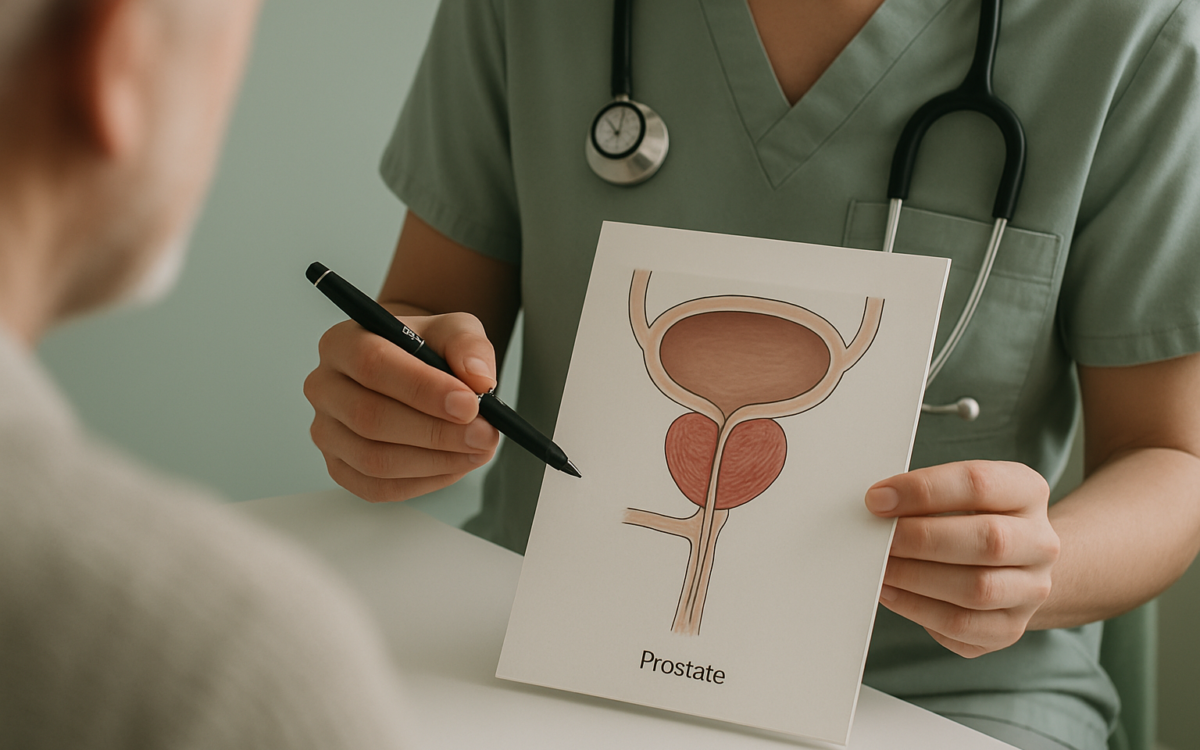
The prostate is a small, walnut-sized gland located below the bladder and in front of the rectum in men. Although it might be small, it plays a significant role in male reproductive health. Understanding the prostate’s function and its importance can help men maintain their health and recognize potential problems early.
What is the prostate and what does it do?
The primary role of the prostate is to produce seminal fluid, which nourishes and transports sperm during ejaculation. This fluid makes up a significant portion of semen, helping to form a medium in which sperm can swim and survive within a woman’s reproductive tract.
In addition to producing seminal fluid, the prostate is involved in hormonal balance. It converts testosterone, the primary male sex hormone, into a more potent form called dihydrotestosterone (DHT). This process is essential for maintaining both sexual function and prostate health.
Anatomy of the prostate
The prostate is divided into several zones, each having different characteristics and functions. These zones include:
- Peripheral zone: The largest part of the prostate, it contains most of the glandular tissue.
- Central zone: This zone surrounds the ejaculatory ducts and comprises a smaller portion of the prostate.
- Transition zone: A small area that surrounds the urethra and is where benign prostatic hyperplasia (BPH) usually occurs.
- Periurethral zone: The tissue right next to the urethra, it plays a role in prostate health and urinary function.
These zones can be affected by various conditions, making it vital for men to understand how these changes can impact their health.
Common prostate issues
As men age, the prostate can develop several issues. Some of the most common include:
Benign Prostatic Hyperplasia (BPH)
BPH is a non-cancerous enlargement of the prostate that can lead to uncomfortable urinary symptoms. Many men experience a weak urine stream, frequent urination, and difficulty starting or stopping urination. While BPH is not life-threatening, it can significantly affect a person’s quality of life.
Prostatitis
Prostatitis refers to inflammation of the prostate, which can be caused by infections or other factors. It can lead to painful urination, pelvic pain, and even flu-like symptoms in some cases. Chronic prostatitis, which can last for months or even years, is more complex and may require specialized treatments.
Prostate cancer
Prostate cancer is one of the most common forms of cancer among men. Early stages of prostate cancer may not present any noticeable symptoms, which is why regular screening is crucial. Symptoms may develop later, including painful urination, blood in urine or semen, and unexplained pain in the back, hips, or pelvis.
For more detailed information regarding prostate cancer, visit the National Cancer Institute.
Risk factors and prevention
Several factors can increase the risk of developing prostate problems, including age, family history, and ethnicity. Men over 50 are generally advised to begin discussing prostate health with their healthcare provider. According to the National Library of Medicine, African American men and those with a family history of prostate cancer are at a higher risk.
While some factors like age and genetics are beyond one’s control, lifestyle choices can help reduce the risk of prostate issues. A balanced diet rich in fruits, vegetables, and healthy fats, along with regular exercise, can promote overall health and potentially lower the risk of prostate problems.
Screening and diagnosis
Screening for prostate issues typically includes a combination of medical history reviews, physical examinations, and tests such as:
- Digital rectal exam (DRE): A doctor checks for abnormalities in the prostate by inserting a gloved finger into the rectum.
- Prostate-specific antigen (PSA) test: A blood test that measures levels of PSA, a substance produced by the prostate. Elevated levels may indicate issues.
Further testing may be necessary if these initial assessments suggest abnormalities, possibly including imaging tests or biopsies for definitive diagnosis.
When to see a doctor
It’s essential for men to be vigilant about changes in their urinary habits or any discomfort related to the pelvic region. If you notice persistent symptoms such as blood in your urine, painful urination, or unexplained pain in the pelvic area, it’s important to consult a healthcare professional for further evaluation. Early detection is key, as many prostate issues can be effectively managed if caught early.
Conclusion
The prostate is a vital part of male reproductive health. Understanding its function and keeping an eye on potential issues can lead to better health outcomes. Men should feel empowered to talk with their healthcare providers about any concerns related to their prostate health and prioritize regular screenings, especially as they age. Remember, proactive health management is an important step towards overall well-being.
