
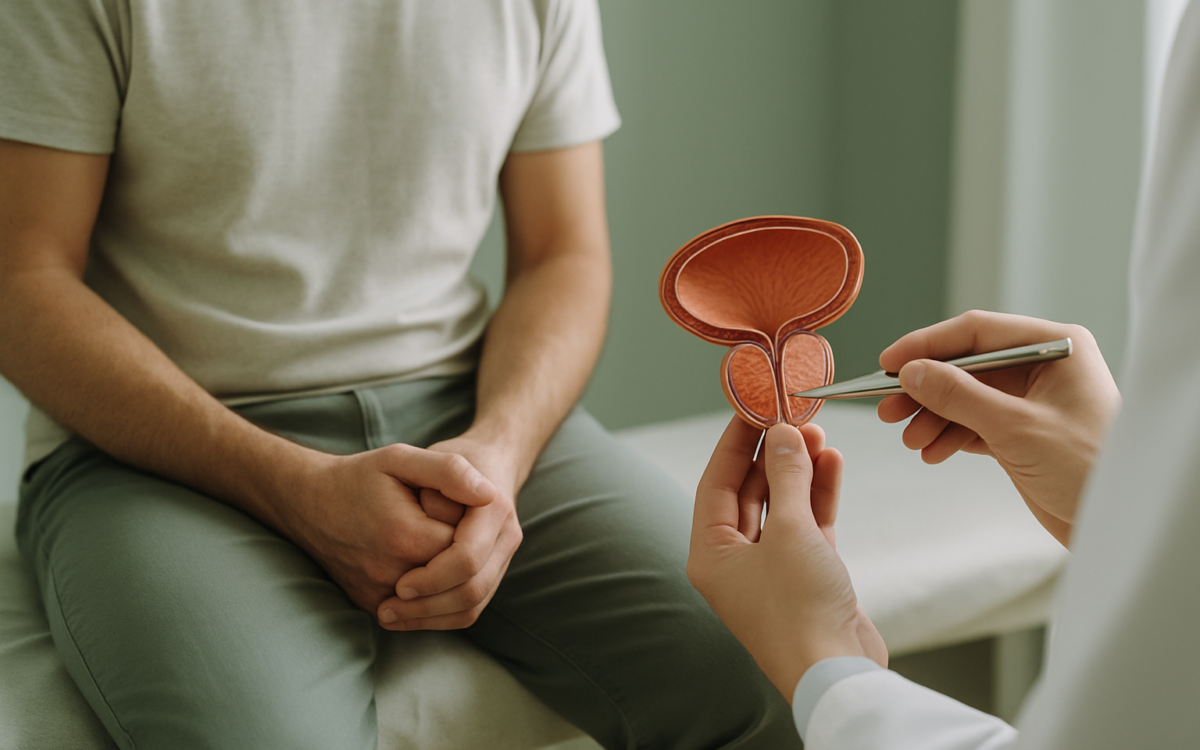
The prostate is a small gland with a big job. Located just below the bladder and in front of the rectum, the prostate plays crucial roles in male reproductive health and overall wellness. Understanding its functions and importance can lead to better health for men and help in recognizing issues that may arise as they age.
What Is the Prostate and Where Is It Located?
The prostate is a walnut-sized gland that forms part of the male reproductive system. It surrounds the urethra, the tube that carries urine from the bladder out of the body. The prostate can be found just below the bladder, which helps explain how it influences both urinary and reproductive functions.
What Does the Prostate Do?
The primary functions of the prostate involve:
- Producing Seminal Fluid: One of the prostate’s most vital roles is to produce a portion of seminal fluid, which nourishes and transports sperm during ejaculation. This fluid is crucial for male fertility.
- Regulating Urine Flow: As the prostate surrounds the urethra, it plays a part in controlling male urinary flow. When the prostate health declines, it can lead to urinary issues, such as difficulty starting urination.
- Hormonal Functions: The prostate is influenced by hormones, particularly testosterone. This hormonal relationship is essential for the prostate’s growth and function, impacting both sexual and reproductive health.
Common Health Issues Related to the Prostate
As men age, prostate-related health issues become more common. Here are a few key conditions:
- Benign Prostatic Hyperplasia (BPH): This non-cancerous enlargement of the prostate can cause urinary problems, including frequent urination and difficulty emptying the bladder. Many older men experience BPH as a normal part of aging.
- Prostatitis: Prostatitis is inflammation of the prostate gland, often resulting in pain and discomfort. It can be acute or chronic and may require various treatments depending on the cause.
- Prostate Cancer: This is one of the most common cancers in men. Early detection is crucial, and regular screenings are recommended for men over 50 or those at higher risk.
Signs of Prostate Issues
Recognizing symptoms early can significantly affect treatment outcomes. Watch for the following signs:
- Frequent urination, especially at night (nocturia)
- Difficulty starting or stopping urination
- Painful urination or ejaculation
- Blood in urine or semen
- Pain in the lower back, hips, or pelvis
If you experience any of these symptoms, consult a healthcare professional for further evaluation.
Maintaining Prostate Health
Taking proactive steps can help support prostate health:
- Regular Check-ups: Annual check-ups can help monitor prostate health, with discussions about symptoms and screening options.
- Healthy Diet: A balanced diet rich in fruits, vegetables, and healthy fats may support prostate health. Omega-3 fatty acids, found in fish, have been linked to improved prostate function.
- Physical Activity: Regular exercise enhances overall health, which can positively affect prostate health. Aim for at least 150 minutes of moderate activity weekly.
- Limit Alcohol and Quit Smoking: Reducing alcohol intake and smoking cessation can lower the risk of many health issues, including prostate-related conditions.
When to See a Doctor
Regular check-ups are a crucial part of maintaining health, especially for men over the age of 50 or those with risk factors such as family history. Consult a healthcare provider if you notice any symptoms mentioned earlier. Early detection and intervention can lead to more effective treatment and better outcomes.
Conclusion
The prostate may be small, but its functions are significant for men’s health. Understanding what the prostate does and the health issues surrounding it is essential for every man. By engaging in proactive health measures, regular screenings, and open communication with healthcare providers, men can support their prostate health and overall well-being.
