
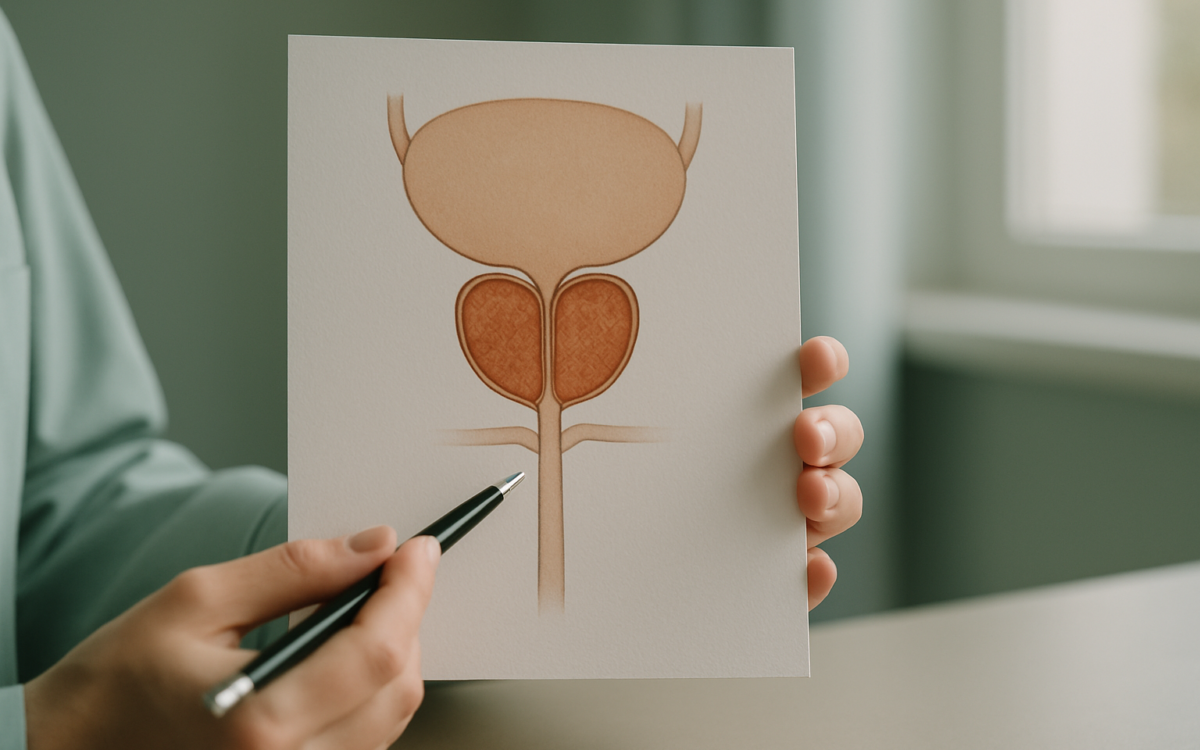
The prostate is a small gland that plays a crucial role in male reproductive health. This walnut-sized organ is located below the bladder and surrounds the urethra, the tube that carries urine out of the body. Understanding the prostate, its functions, and potential health issues is essential for every man, especially as they age. In this article, we’ll explore what the prostate does, common conditions that can affect it, and how to maintain its health.
What is the Prostate?
The prostate is part of the male reproductive system, and it primarily produces seminal fluid, which nourishes and transports sperm. Its location allows it to help control urination by surrounding the urethra. A picture of the prostate can help illustrate its position and function within the male anatomy, showing how it interacts with other organs like the bladder and the testicles.
Functions of the Prostate
The prostate has several important functions:
- Seminal fluid production: About 30% of the seminal fluid is produced by the prostate. This fluid helps to protect and energize sperm during ejaculation.
- Role in ejaculation: The prostate muscles contract during ejaculation, helping to propel semen through the urethra.
- Hormonal influence: The prostate is affected by hormones, particularly testosterone, and plays a role in various bodily processes.
Understanding these functions highlights how vital the prostate is to male reproductive health and why maintaining its health is important.
Common Prostate Problems
As men age, they may experience various health issues related to the prostate. Some common conditions include:
1. Benign Prostatic Hyperplasia (BPH)
BPH is a non-cancerous enlargement of the prostate that occurs in many older men. Symptoms may include difficulty urinating, frequent urination, and a feeling of incomplete bladder emptying. While BPH is not life-threatening, it can significantly affect quality of life.
2. Prostatitis
Prostatitis is the inflammation of the prostate, often caused by infection. It can lead to symptoms like pain during urination, discomfort in the pelvic area, and flu-like symptoms. There are different types of prostatitis, each requiring specific treatment.
3. Prostate Cancer
Prostate cancer is one of the most common cancers in men. While it often grows slowly and may not show symptoms in early stages, it can be aggressive in some cases. Regular screenings can help in early detection, improving treatment outcomes. For more on prostate cancer, visit the National Cancer Institute.
Maintaining Prostate Health
Taking proactive steps can help keep the prostate healthy:
- Regular check-ups: Annual check-ups with your doctor can help monitor prostate health.
- Healthy diet: A balanced diet rich in fruits, vegetables, and whole grains can support prostate health. Foods high in antioxidants, like tomatoes and broccoli, have been linked to lower prostate cancer risk.
- Exercise: Regular physical activity can improve overall health and may reduce the risk of prostate problems.
- Avoiding tobacco: Quitting smoking has numerous health benefits, including potentially lowering prostate cancer risk.
- Limit alcohol consumption: Drinking alcohol in moderation can contribute to better prostate health.
Incorporating these habits into your lifestyle can play a significant role in maintaining prostate health as you age.
When to See a Doctor
It’s important to consult a healthcare professional if you experience any of the following symptoms:
- Difficulty urinating or a frequent urge to urinate, especially at night.
- Painful urination or ejaculation.
- Blood in urine or semen.
- Pain in the lower back, hips, or pelvic area.
These can be signs of prostate problems and should not be ignored. Early detection and treatment are key in managing prostate health.
Conclusion
The prostate may be small, but its impact on men’s health is significant. Understanding how it functions and recognizing the signs of potential problems are essential for every man. By maintaining a healthy lifestyle and keeping regular check-ups with a healthcare provider, men can take charge of their prostate health and ensure they are living their best lives.
