
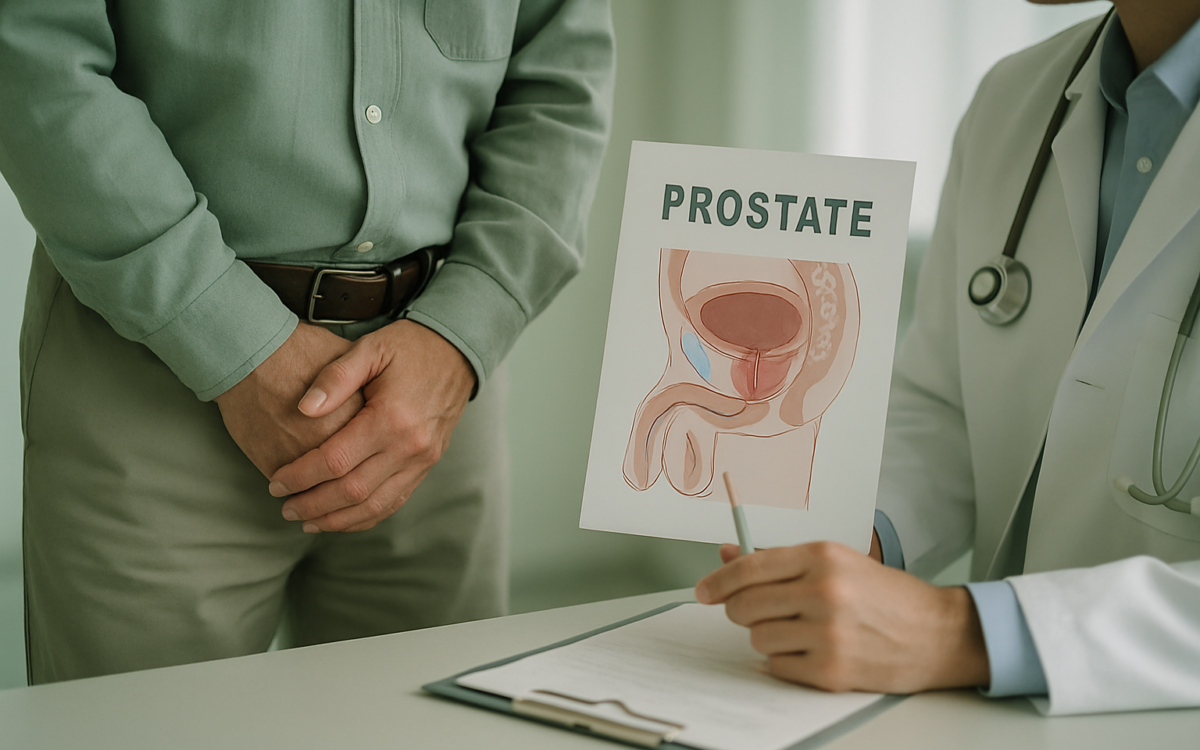
The prostate is a small, walnut-sized gland located below the bladder in men. It plays a crucial role in the male reproductive system, but many people know little about its functions or what happens when issues arise. Understanding the prostate’s purpose and its potential health concerns is vital for men of all ages. This article explores the prostate’s anatomy, functions, common problems, and the importance of regular health screenings.
What is the Prostate?
The prostate is part of the male reproductive system and is responsible for producing seminal fluid, which nourishes and transports sperm. It’s an essential component in male fertility. The gland surrounds the urethra, which is the tube that carries urine and semen out of the body, highlighting its importance in both urinary and reproductive health.
Functions of the Prostate
The prostate has several key functions that contribute to reproductive health:
- Seminal Fluid Production: The prostate contributes about 30% of the total fluid in semen. This fluid aids in the mobility and viability of sperm.
- Regulating Hormones: The prostate is involved in the metabolism of testosterone, which is vital for male sexual development and overall health.
- Supporting Sperm Health: The prostate fluid contains enzymes, citric acid, and zinc, all of which help maintain sperm health and function.
Common Prostate Problems
Unfortunately, the prostate can be prone to several health issues, particularly as men age. Here are a few common problems:
BPH (Benign Prostatic Hyperplasia)
BPH is a non-cancerous enlargement of the prostate gland. As the prostate grows, it can press against the urethra, causing urinary symptoms such as:
- Frequent urination
- Difficulty starting urination
- Weak urine flow
- Incomplete bladder emptying
This condition is very common in older men, affecting nearly 50% of men over the age of 60. While BPH is not cancerous, it can significantly impact quality of life.
Prostatitis
Prostatitis is the inflammation of the prostate gland and can occur at any age. It can be caused by bacterial infection or other non-infectious factors. Symptoms may include:
- Painful urination
- Pelvic pain
- Flu-like symptoms in bacterial cases
There are different types of prostatitis, including acute bacterial prostatitis, chronic bacterial prostatitis, and chronic pelvic pain syndrome. Treatment varies based on the type.
Prostate Cancer
Prostate cancer is one of the most common cancers among men. It occurs when cells in the prostate change and grow uncontrollably. Risk factors include age, family history, and genetics. Many men with prostate cancer may not experience symptoms in the early stages, but possible symptoms can include:
- Blood in urine or semen
- Painful urination
- Pain during ejaculation
- Persistent pain in the back, hips, or pelvis
Regular screenings are essential to catch prostate cancer early when it is most treatable.
Prostate Health: Prevention and Screening
Maintaining prostate health is vital, and there are proactive steps men can take:
- Stay Active: Regular physical activity can help reduce the risk of prostate problems.
- Healthy Diet: A diet rich in fruits, vegetables, and healthy fats can contribute to overall prostate health. Some studies suggest that diets low in red meat and dairy may benefit prostate health.
- Regular Check-ups: Men should discuss prostate screening options with their healthcare providers. This may include a prostate-specific antigen (PSA) blood test and a digital rectal exam (DRE).
Regular screenings become increasingly important for men over the age of 50 or for those with risk factors. Early detection plays a significant role in successful treatment outcomes.
When to See a Doctor
If you experience any of the following symptoms, it is essential to consult with a healthcare provider:
- Changes in urinary habits (e.g., increased frequency, urgency, or pain)
- Persistent pain in the lower abdomen or pelvis
- Blood in urine or semen
- Erectile dysfunction
These symptoms do not always indicate a serious problem but should not be ignored.
Conclusion
Understanding the prostate’s role in men’s health is key to maintaining overall well-being. By staying informed about prostate health and being proactive about screenings and lifestyle choices, men can take essential steps toward a healthier future. Always consult healthcare providers for personalized guidance and recommendations.
