
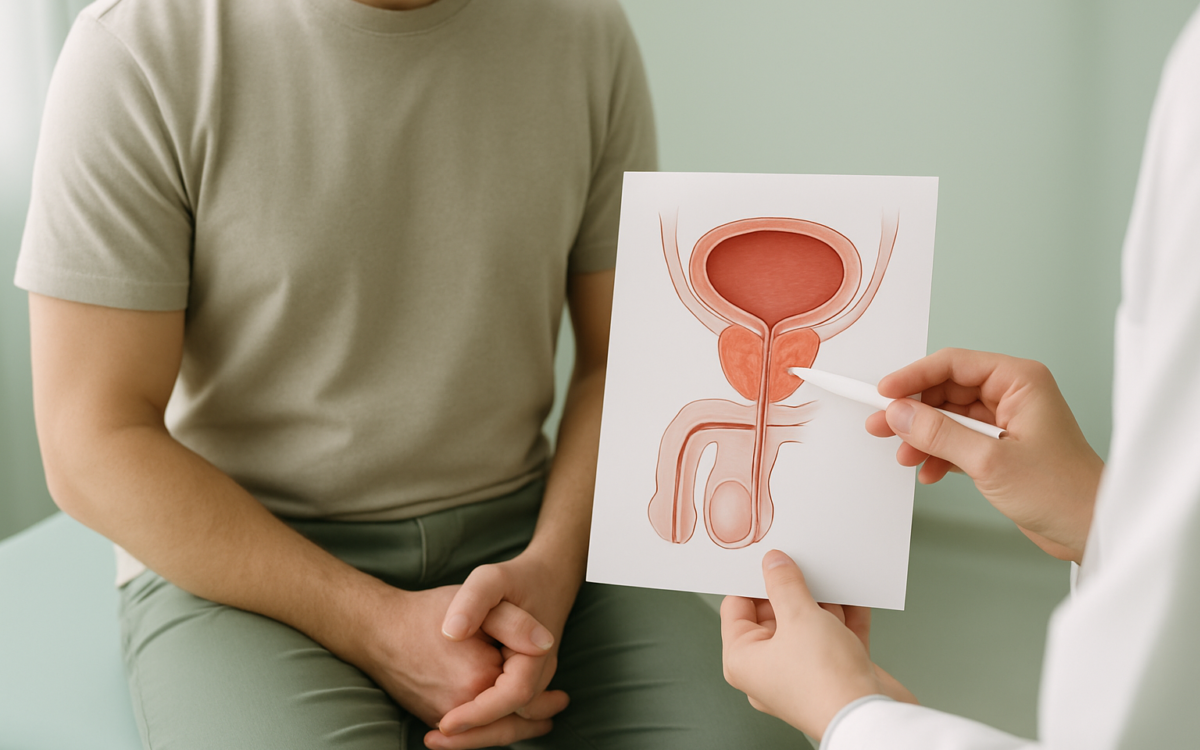
The prostate gland plays a crucial role in men’s health, but many are not fully aware of its purpose and potential issues. This article aims to shed light on the prostate’s function, health concerns, and the importance of regular check-ups.
What Is the Prostate Gland?
The prostate gland is a small, walnut-sized gland located below the bladder and in front of the rectum. It surrounds the urethra, the tube that carries urine and semen out of the body. The primary function of the prostate is to produce fluid that nourishes and transports sperm, making it an essential part of the male reproductive system.
The Role of the Prostate in Reproduction
The fluid produced by the prostate contributes to semen, which helps carry sperm during ejaculation. This fluid makes up about 30% of the total semen volume and contains enzymes, proteins, and minerals that help protect the sperm and enable its motility. Without the prostate’s contributions, sperm would lack a supportive environment for successful fertilization.
Common Prostate Health Issues
While the prostate gland is vital for reproduction, it can also be the source of numerous health issues. The most common concerns include:
- Benign Prostatic Hyperplasia (BPH): This condition involves the enlargement of the prostate, which can lead to difficulties with urination. Symptoms of BPH include frequent urination, difficulty starting or stopping urination, and a weak urine stream.
- Prostatitis: This is the inflammation of the prostate, often caused by infection. Prostatitis can result in pelvic pain, difficulty urinating, and flu-like symptoms.
- Prostate Cancer: This is a serious concern for men, especially those over 50. Prostate cancer often develops slowly and may not present symptoms in its early stages. Regular screenings are critical for early detection.
How to Maintain Prostate Health
Maintaining prostate health is essential for overall well-being. Here are some tips to support prostate health:
- Regular Check-ups: Regular visits to your healthcare provider can help monitor prostate health, especially as you age.
- Healthy Diet: A diet rich in fruits, vegetables, whole grains, and healthy fats can promote prostate health. Foods high in antioxidants and omega-3 fatty acids may be particularly beneficial.
- Staying Active: Regular physical activity contributes to overall health and may reduce the risk of prostate issues.
- Avoiding Tobacco and Excessive Alcohol: Smoking and heavy drinking can negatively affect overall health and may increase prostate cancer risk.
Prostate Screening: What You Need to Know
Due to the risk of prostate cancer and other issues, screening is crucial. While discussions about when to start screening can vary, many experts recommend that men begin discussing prostate health with their doctor around age 50. Those with a family history of prostate cancer or other risk factors may need to start earlier.
Common screening methods include:
- Prostate-Specific Antigen (PSA) Test: This blood test measures the level of PSA in the blood. High levels may indicate prostate problems, including cancer.
- DRE (Digital Rectal Exam): During this examination, a healthcare provider checks the prostate for abnormalities.
Understanding Symptoms: When to See a Doctor
While some changes in urinary habits may be normal as men age, certain symptoms require medical attention. These include:
- Difficulties starting or stopping urination
- Frequent urination, especially at night
- Painful urination or ejaculation
- Blood in urine or semen
- Persistent pain in the lower back, hips, or pelvis
If you experience any of these symptoms, consult your healthcare provider for further evaluation.
Conclusion
The prostate gland is a vital component of male reproductive health. Understanding its functions and potential health issues is important for men of all ages. By maintaining a healthy lifestyle and discussing prostate health with a healthcare provider, men can take proactive steps toward ensuring their overall well-being.
