
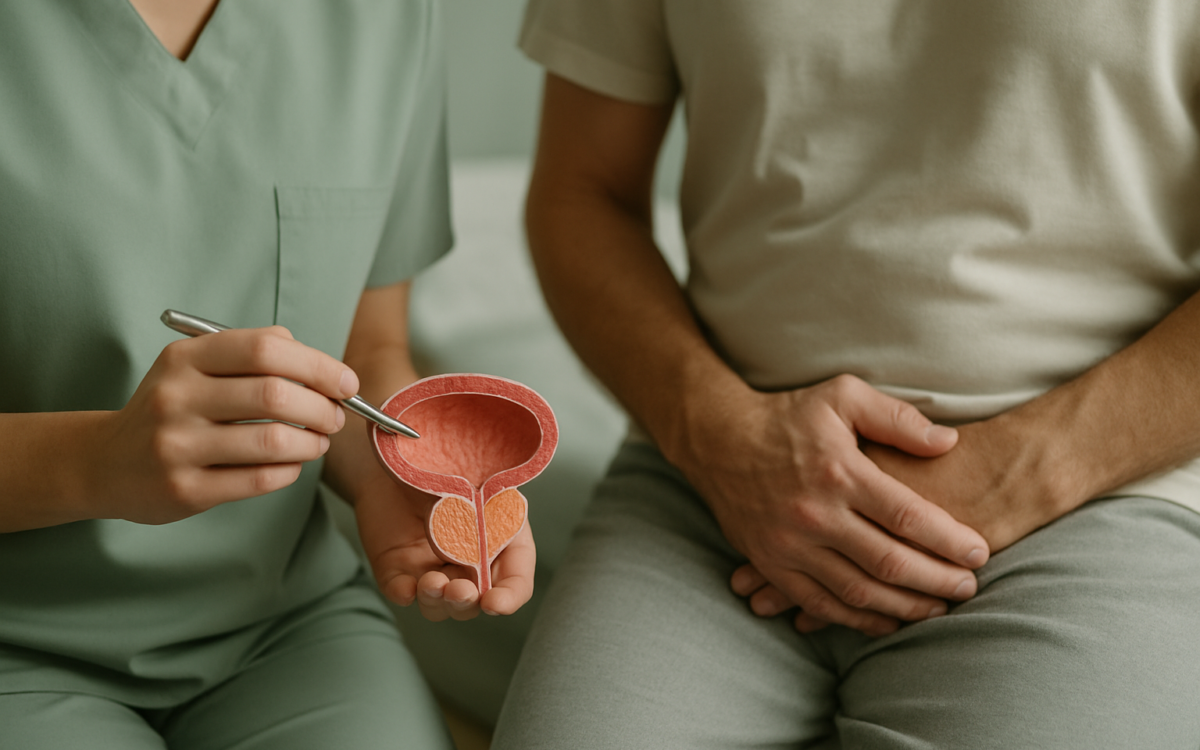
The prostate gland plays a vital role in the male reproductive system, yet many people are unaware of its exact location and function. Understanding where the prostate is situated and what it does is essential for men’s health awareness. In this article, we will explore the anatomy of the prostate, its function, common health issues associated with it, and when to seek medical advice.
Where is the Prostate Gland Located?
The prostate gland is a small, walnut-sized organ located just below the bladder and in front of the rectum. Specifically, it encircles the urethra, which is the tube through which urine and semen exit the body. This strategic placement means that any swelling or enlargement of the prostate can sometimes lead to urinary issues.
What Does the Prostate Gland Do?
The primary function of the prostate gland is to produce seminal fluid, a key component of semen. This fluid helps nourish and transport sperm during ejaculation. Additionally, the prostate plays a role in hormonal regulation, particularly concerning testosterone, which is crucial for male reproductive health.
Common Health Issues Related to the Prostate
Men can experience various health problems related to the prostate gland, particularly as they age. Here are some of the most significant conditions:
- Benign Prostatic Hyperplasia (BPH): This is a non-cancerous enlargement of the prostate that can lead to urinary difficulties, such as frequent urination or trouble starting and stopping urine flow.
- Prostatitis: This condition involves inflammation of the prostate and can cause pain in the pelvic area, painful urination, and flu-like symptoms.
- Prostate Cancer: One of the most common types of cancer in men, prostate cancer often develops slowly and might not present symptoms in its early stages. Regular screenings are recommended for older men or those with a family history of the disease.
How Does the Prostate Impact Urination?
Due to its location, the prostate can significantly affect urinary function. When the gland enlarges, as seen in BPH, it can press against the urethra. This pressure can cause a range of urinary symptoms, including:
- Frequent urination, especially at night
- Weak or interrupted urine stream
- Difficulty starting or stopping urination
- Sensation of incomplete bladder emptying
Understanding these symptoms is important for identifying potential problems with the prostate.
The Importance of Regular Check-Ups
Men should consider regular check-ups with their healthcare provider, particularly as they reach middle age. Discussions about prostate health should include:
- Evaluation of symptoms related to urination
- Family history of prostate issues or cancer
- Screening tests appropriate for age and risk factors
Early detection is essential for successful treatment of prostate-related health issues.
When to See a Doctor
If you experience any of the following symptoms, it is important to consult your healthcare provider:
- Painful urination
- Blood in urine or semen
- Persistent pelvic pain
- Unexplained weight loss or fatigue
These symptoms could indicate a serious condition that may require prompt medical attention.
Conclusion
Understanding the location and function of the prostate gland is crucial for men’s health. Awareness of potential health issues and the importance of regular medical check-ups can empower men to take charge of their health. If you’re dealing with urinary issues or have concerns about your prostate health, consult your doctor for personalized advice and screenings.
For more information about prostate health and related conditions, you can visit reputable sources such as the Mayo Clinic or the National Library of Medicine.
