
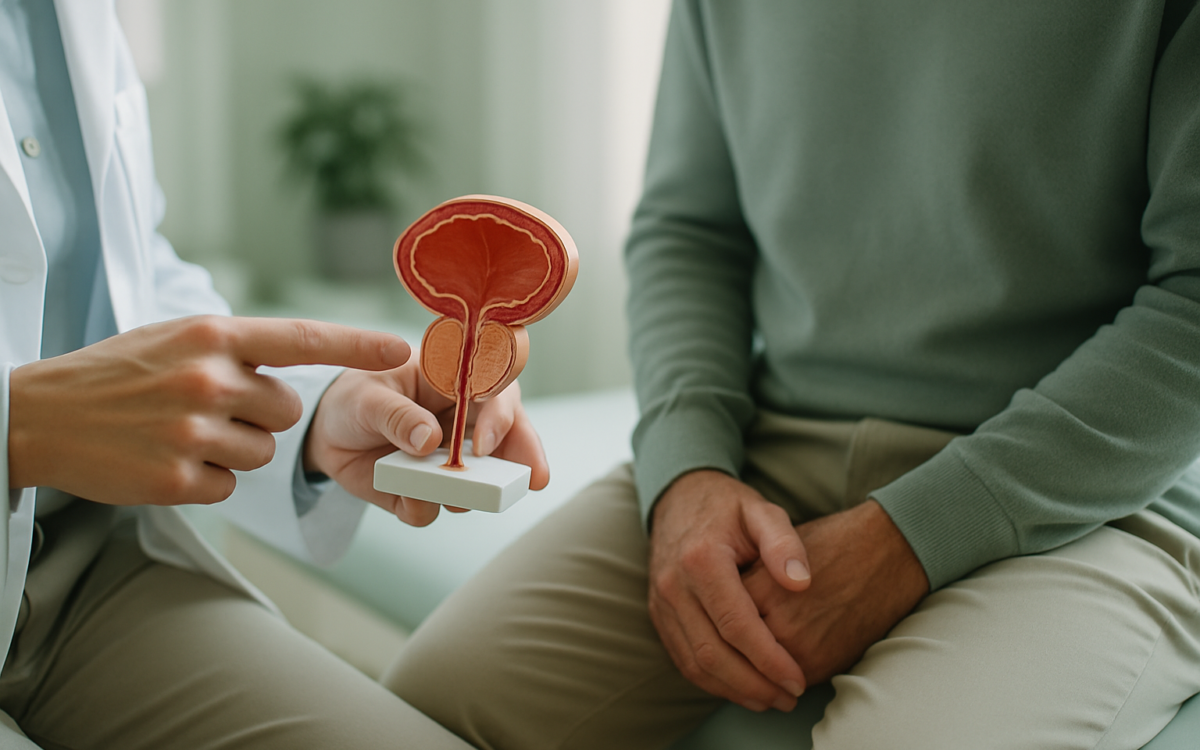
The prostate is a small gland that plays a crucial role in men’s health, yet many people are not familiar with its location or function. Situated below the bladder and in front of the rectum, the prostate is about the size of a walnut. Despite its small size, the prostate has a significant impact on the male reproductive system and overall health.
What is the Prostate?
The prostate is a gland part of the male reproductive system. It produces a fluid that nourishes and transports sperm, which is crucial for reproduction. During ejaculation, the prostate contracts to help expel this fluid, which mixes with sperm to form semen. The prostate also plays a role in hormone regulation and maintaining urinary health.
Where is the Prostate Located?
To visualize the prostate’s location, think of it as a donut-shaped gland encircling the urethra—the tube that carries urine from the bladder out of the body. It’s located just below the bladder, and its positioning means that any swelling or enlargement can affect urinary function.
For a clearer picture:
- The prostate sits at the base of the pelvis.
- It is about 1.5-2 inches long.
- The rectum is located directly behind the prostate, allowing healthcare providers to feel it during a digital rectal exam.
Common Prostate Issues
Several health issues can affect the prostate, often arising as men age. Some common conditions include:
- Benign Prostatic Hyperplasia (BPH): This non-cancerous enlargement of the prostate can lead to urinary difficulties.
- Prostatitis: This is the inflammation of the prostate, which can be caused by infection.
- Prostate Cancer: This is one of the most common types of cancer in men, making awareness and early detection essential.
Regular check-ups become increasingly important as men age to monitor for these potential issues.
Prostate Health and Lifestyle
Maintaining prostate health is essential for overall well-being. Here are some tips for promoting a healthy prostate:
- Healthy Diet: A balanced diet rich in fruits, vegetables, and whole grains can help reduce the risk of prostate issues.
- Regular Exercise: Staying active promotes circulation, which is beneficial for overall prostate health.
- Stay Hydrated: Drinking enough water can help keep the urinary system functioning properly.
For those considering international treatment options for prostate health, facilities like Acibadem International offer comprehensive care and innovative treatment plans.
Signs of Possible Prostate Issues
Many men will experience prostate issues at some point in their lives. Knowing the warning signs can help in early detection:
- Frequent urination, particularly at night
- Difficulty starting or stopping urination
- Pain during urination or ejaculation
- Blood in urine or semen
All of these symptoms warrant a discussion with a healthcare provider to rule out serious conditions.
When to See a Doctor
If you notice any unusual symptoms related to urination, sexual function, or pelvic pain, it’s important to consult your doctor. Early diagnosis and intervention can make a significant difference in treatment outcomes.
Conclusion
Understanding the prostate’s location and function is essential for men’s health. Awareness of potential issues and the importance of regular check-ups can lead to better health outcomes. Remember, maintaining a healthy lifestyle and being attentive to your body’s signals are vital steps in safeguarding your prostate health.
