
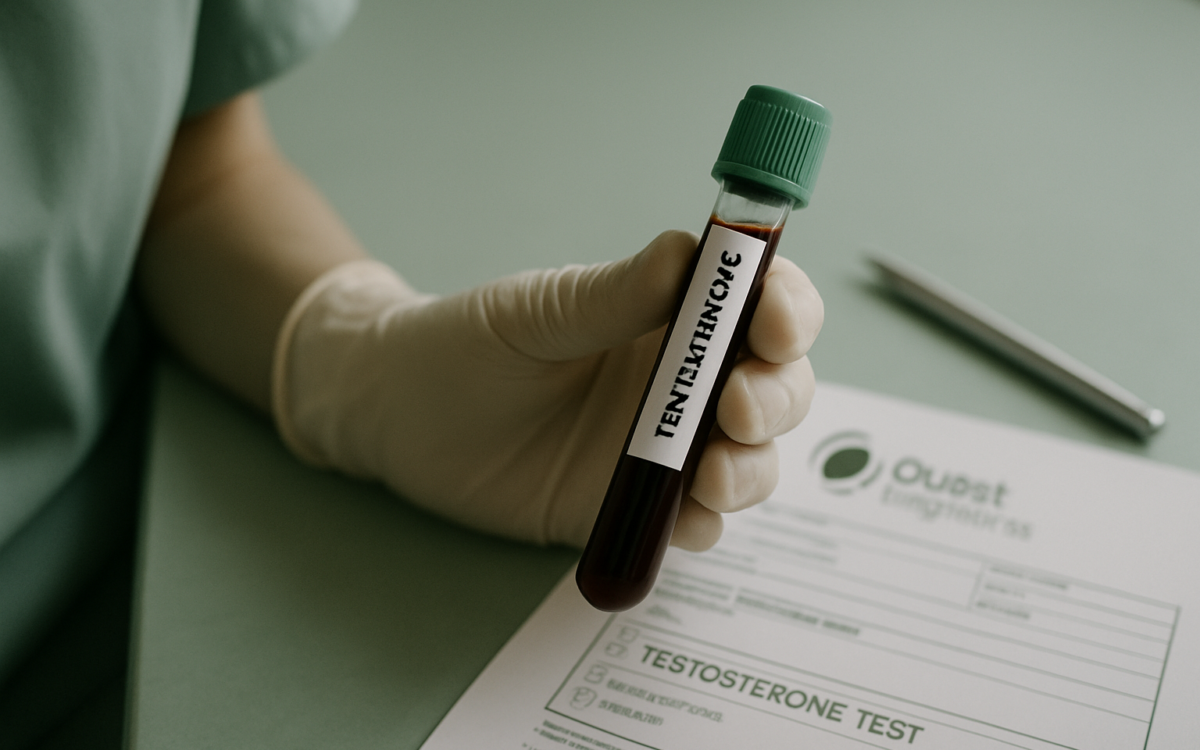
When it comes to men’s health, testosterone often takes center stage, especially in conversations about energy, mood, and muscle mass. For those experiencing symptoms related to low energy, decreased libido, or mood changes, a testosterone test can provide clarity. One common testing option is the Quest Diagnostics testosterone test. This article will guide you through what this test involves, why it’s done, and what the results may mean for your health.
What is the testosterone test?
The testosterone test measures the level of testosterone in the blood. Testosterone is a vital hormone produced primarily in the testicles. It plays a key role in various functions in the body, including:
- Regulating sex drive
- Facilitating sperm production
- Maintaining bone density
- Supporting muscle growth
As men age, testosterone levels naturally decline. However, some men experience significantly lower levels that can lead to various physical and emotional issues, often referred to as low testosterone or testosterone deficiency.
Why would someone need a testosterone test?
The testosterone test is usually recommended when a man displays symptoms that suggest his testosterone levels may be low. Common symptoms include:
- Fatigue
- Depression or mood swings
- Reduced sex drive
- Decreased muscle mass
- Difficulty concentrating
In addition to these symptoms, a doctor may suggest testing based on other health concerns or conditions that may affect hormone levels, such as obesity, diabetes, or certain genetic disorders.
Preparing for the test
Preparation for the Quest Diagnostics testosterone test is relatively straightforward. Here are some key points to consider:
- Timing: Testosterone levels can vary throughout the day. They are typically highest in the morning, so testing is most often done in the early morning hours.
- Fasting: In most cases, fasting is not required, but be sure to follow your doctor’s instructions regarding any other medications or activities.
- Medications: Inform your doctor about any medications or supplements you are taking, as some may influence test outcomes.
What to expect during the test
The actual test is simple and quick. A healthcare professional will collect a blood sample, typically from a vein in your arm. Here’s what generally happens:
- You’ll be asked to sit comfortably, and your arm will be cleaned with an antiseptic.
- A tourniquet may be applied to make your veins more visible.
- A needle will be inserted into the vein to draw blood, which usually causes little to no discomfort.
- The sample is collected and sent to a lab for analysis.
Most blood tests are completed within a day or two, and you will receive your results from your healthcare provider.
Interpreting the results
Testosterone levels are usually measured in nanograms per deciliter (ng/dL). Normal ranges can vary based on age and lab standards; however, typical levels for adult males generally fall between:
- 300 to 1,000 ng/dL
Levels below this range might indicate low testosterone. It’s important to note that a single low result doesn’t necessarily mean you need treatment; doctors usually consider multiple readings and symptoms before diagnosing.
If your testosterone levels are low, your doctor might discuss potential treatment options. These can include lifestyle modifications, hormone replacement therapy, or other interventions depending on the individual’s health and personal preferences.
Potential risks and considerations
While the testosterone test itself is low-risk, it’s important to be aware of the considerations surrounding low testosterone and potential therapies:
- Side effects of treatment: Hormone replacement therapy can have side effects, including an increased risk of certain health conditions such as sleep apnea or cardiovascular issues.
- Diagnosis accuracy: Testosterone levels can fluctuate, so it’s crucial for your doctor to interpret the results in conjunction with your symptoms and overall health.
When to see a doctor
If you’re experiencing symptoms that may suggest low testosterone, such as low energy levels or changes in mood, it’s essential to consult a healthcare provider. They can perform a thorough evaluation, discuss the need for a testosterone test, and help you explore treatment options if necessary.
Remember, seeking help early can lead to better outcomes. Addressing your concerns with a professional is the best way to understand your health and well-being fully.
Conclusion
The Quest Diagnostics testosterone test can help clarify whether low testosterone is affecting your health. If you’ve noticed changes in how you feel, don’t hesitate to talk to your doctor about the possibility of testing. Understanding your testosterone levels is an important step in taking charge of your health and improving your overall quality of life. For more information on hormone health, consider resources from trusted organizations like the NIH or the Mayo Clinic.
