
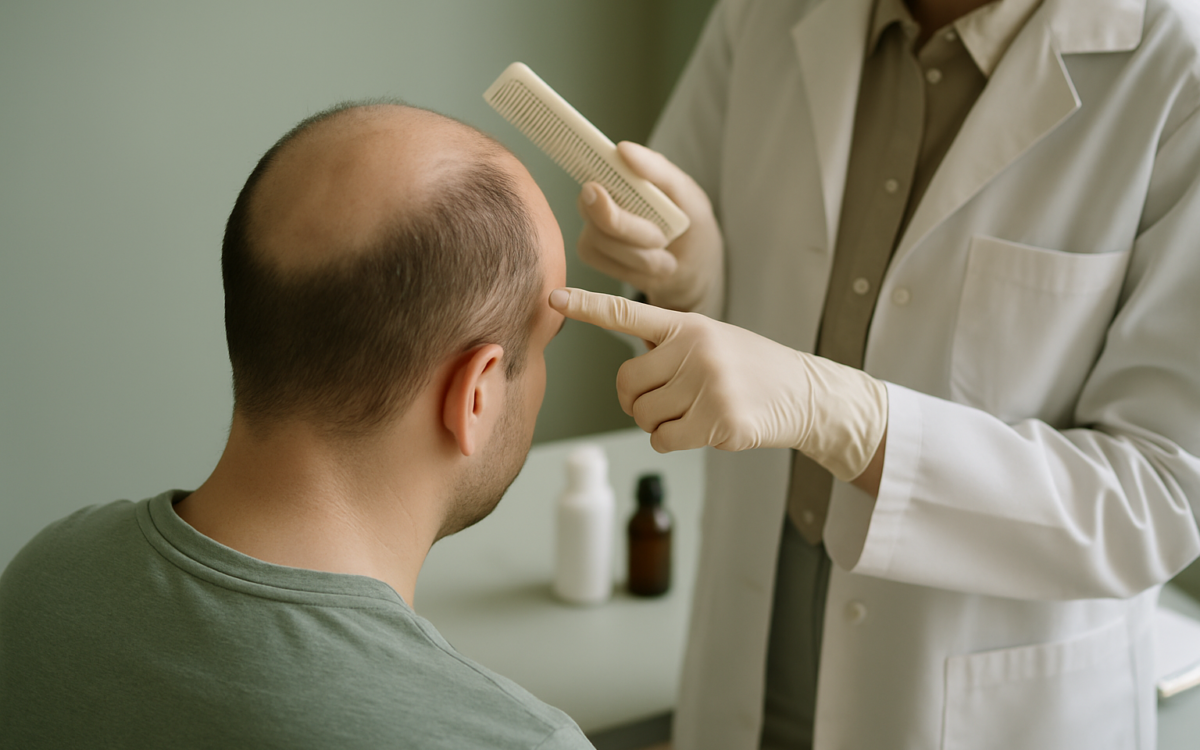
For many men, hair loss can be a daunting experience. It can happen suddenly or gradually, leading to anxiety about appearance and self-esteem. Understanding the reasons for hair baldness is the first step in addressing the issue. In this article, we will delve into the various factors that contribute to hair loss and provide insights on what you can do about it.
Genetics and Male Pattern Baldness
One of the most common reasons for hair baldness in men is male pattern baldness, also known as androgenetic alopecia. This hereditary condition can begin as early as your 20s and is characterized by a receding hairline and thinning of the hair on the crown. According to the National Institutes of Health, around 70% of men will experience some degree of male pattern baldness by age 80.
The Role of Hormones
Hormones play a significant role in hair loss. Specifically, dihydrotestosterone (DHT), a derivative of testosterone, is known to shrink hair follicles, leading to thinner hair and eventual baldness. Changes in hormone levels can occur due to various factors, including aging, medical conditions, and environmental stressors.
Medical Conditions Affecting Hair Health
Certain medical conditions can also lead to hair loss. Autoimmune diseases, such as alopecia areata, result in the body mistakenly attacking hair follicles, causing patchy hair loss. Other conditions, such as thyroid disorders and iron deficiency anemia, can affect hair health as well. It’s important to consult a healthcare professional if you suspect an underlying medical issue is contributing to your hair loss.
Stress and Lifestyle Factors
Stress can have a profound impact on your overall health, including your hair. Situations like job loss, divorce, or any significant life change can trigger a type of hair loss called telogen effluvium, where hair follicles enter a resting phase, leading to noticeable shedding. Additionally, poor lifestyle choices such as a diet lacking essential nutrients can also lead to increased hair loss.
Environmental Factors
Environmental factors, including pollution and exposure to harmful chemicals, can negatively affect hair health. Studies have shown that exposure to environmental toxins may lead to hair thinning and loss. Maintaining a healthy scalp and hair care routine can help mitigate some of these risks.
Medications and Treatments
Certain medical treatments and medications can lead to hair loss as a side effect. Chemotherapy for cancer treatment is well-known for causing hair loss, but other medications, such as blood thinners and those for depression, can also contribute. If you’re concerned about medication-related hair loss, it may be beneficial to discuss this with your doctor.
When to See a Doctor
If you notice significant or sudden hair loss, it’s wise to consult a healthcare professional. They can help identify any underlying medical conditions that may be contributing to your baldness and discuss potential treatment options. Early intervention can often improve outcomes.
In conclusion, hair baldness can stem from a variety of causes ranging from genetics to lifestyle factors. Understanding these reasons can empower you to take steps towards managing hair health and, when necessary, seeking appropriate treatment. Remember that you’re not alone in this journey; many men face the same concerns.
