
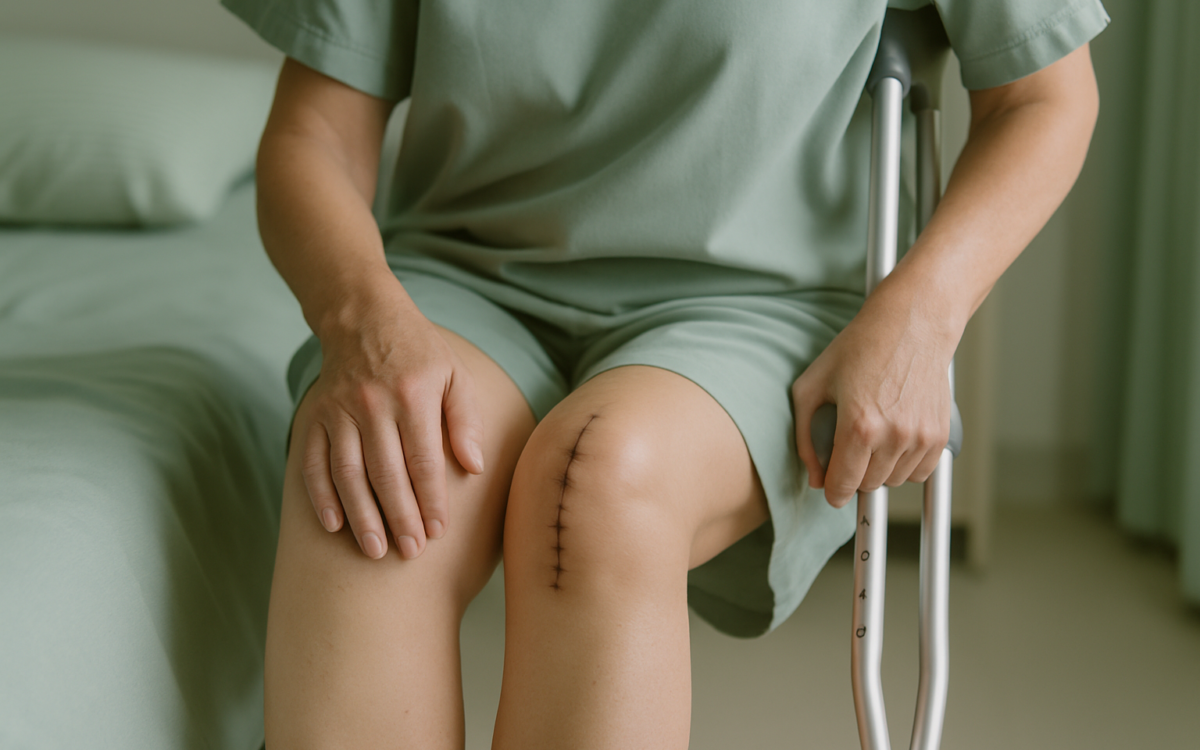
Knee replacement surgery is a common procedure that can provide significant relief from pain and improve mobility for individuals suffering from knee joint issues. However, understanding the recovery process is essential for anyone considering or undergoing this surgery. Recovery can vary based on several factors, including the patient’s health, age, and adherence to rehabilitation protocols. In this article, we’ll break down the typical recovery timeline and offer some tips to help optimize your healing.
What to Expect Immediately After Surgery
After your knee replacement surgery, expect to spend some time in the hospital for observation and initial recovery. This often lasts from one to three days. Medical staff will monitor your vital signs, pain levels, and surgery site. Pain management will be crucial during this period, and you’ll likely receive medication to keep you comfortable.
During this time, physiotherapists will begin gentle movements to promote blood flow and prevent stiffness. You’ll likely use a device or walker to help you start moving around. While the first few days can be challenging, hospitals have specific protocols to ensure your recovery begins on the right track.
Weeks 1 to 2: Early Recovery Stage
In the first two weeks post-surgery, patients often experience swelling and some discomfort around the knee. It’s vital to follow your doctor’s guidelines regarding pain management and activity level. Here are some key points for this stage:
- Rest: Allow plenty of time for your knee to heal. Incorporate short periods of rest throughout the day.
- Elevation: Keep your leg elevated as much as possible to reduce swelling.
- Ice Therapy: Applying ice packs on the knee can help manage swelling and discomfort.
During this period, you’ll begin physical therapy sessions. Focus on gentle exercises to restore mobility and strengthen muscles without overexerting your joint. Most patients are encouraged to start using crutches or a walker for support.
Weeks 3 to 6: The Rehabilitation Phase
As you move into the third to sixth week after surgery, the focus shifts towards rehabilitation. At this stage, many patients can reduce their use of assistive devices and start walking more independently. Here are some important elements of this phase:
- Physical Therapy: Attend scheduled therapy appointments to work on strength-building and range of motion exercises. Therapists will guide you through specific routines tailored to your needs.
- Home Exercises: Continue physical therapy exercises at home to promote healing. Consistency is key to achieving the best outcomes.
- Gradual Increase in Activity: Start to reintroduce activities like walking or simple household chores, but listen to your body and avoid pushing through severe discomfort.
During this time, patience is crucial. It’s entirely normal to feel some discomfort as your body adjusts and healing takes place.
Weeks 7 to 12: Building Strength and Mobility
Between seven and twelve weeks after surgery, you should notice a significant improvement in your strength and mobility. Most people can transition to walking without assistance during this period. Key considerations during these weeks include:
- Increasing Activity Levels: You might be cleared to resume low-impact activities such as swimming or cycling.
- Monitor Pain Levels: Swelling and pain are often reduced by this stage, but mild discomfort after physical activity is normal.
- Follow-Up Appointments: Keep your follow-up appointments with your surgeon to monitor your healing progress and address any concerns.
Building strength in the supporting muscles around your knee will help improve stability and reduce the risk of future injury.
Tips for a Smooth Recovery
Throughout your recovery, you can take specific steps to ensure the process goes as smoothly as possible:
- Stay Hydrated: Drinking plenty of water supports general health and healing.
- Healthy Diet: A nutritious diet, rich in vitamins and minerals, can aid recovery. Incorporate protein to help muscle repair.
- Rest and Relaxation: Stress management is essential. Consider practices like meditation or deep breathing exercises.
- Listen to Your Body: Pay attention to how you feel. If something doesn’t feel right, reach out to your healthcare provider.
Each individual’s recovery journey is unique; understanding this can help set realistic expectations.
When to See a Doctor
While some discomfort post-surgery is expected, certain symptoms should prompt a visit or call to your healthcare provider:
- Increased pain that doesn’t improve with medication
- Signs of infection, such as fever or unusual swelling
- Severe swelling that doesn’t reduce with rest and elevation
- Any sudden changes in mobility or ability to move the knee
Your healthcare team is there to support you, so don’t hesitate to reach out if you have concerns.
Conclusion
While knee replacement surgery can be a life-changing decision, understanding the recovery timeline can help ease anxiety and set you up for a successful recovery. By engaging with your healthcare providers, committing to rehabilitation, and listening to your body, you can regain mobility and return to your daily activities with greater comfort than before. Remember, every recovery journey is personal, and patience is as essential as the rehabilitation efforts you put in.
