
Finding mouse poop in your home can be alarming. Not only are these droppings a sign of a rodent problem, but they can also pose health risks to you and your family. Understanding what mouse poop is, how it affects our health, and the steps to take for cleanup and prevention is crucial. This article will guide you through everything you need to know about mouse droppings.
What Is Mouse Poop?
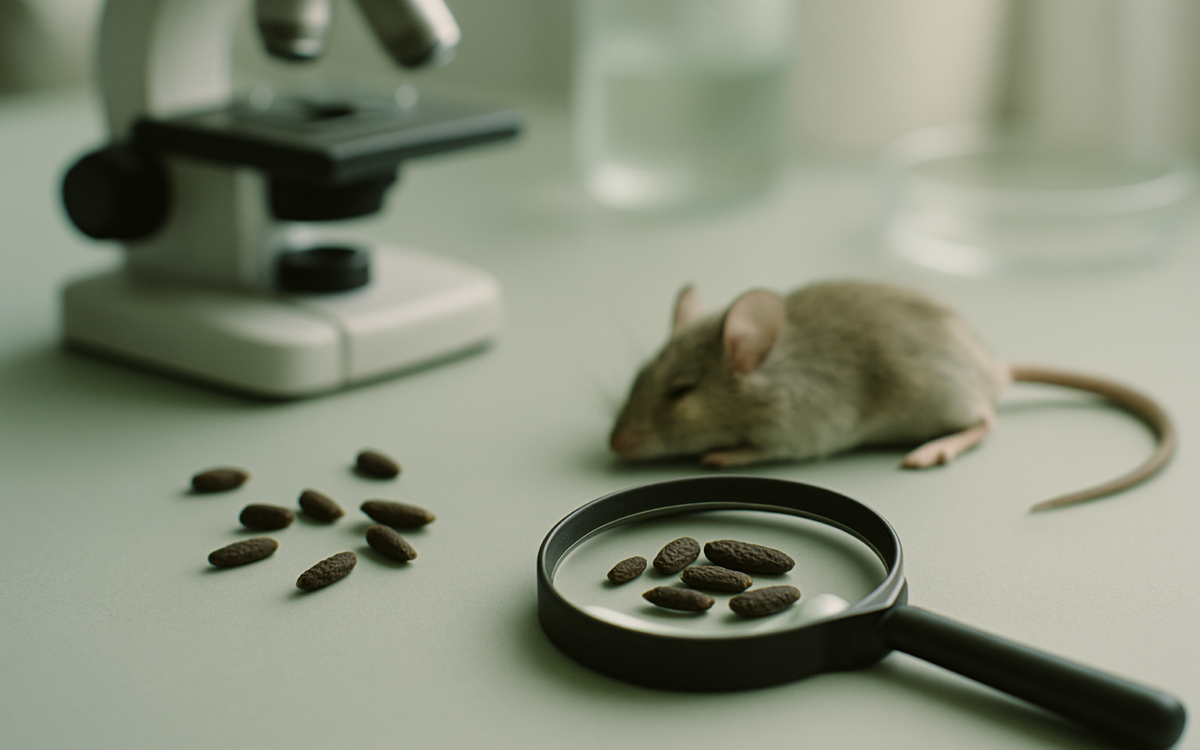
Mouse poop, scientifically labeled as rodent feces, is small, dark, and typically about the size of a grain of rice. Mice produce a significant amount of droppings daily—usually around 50 to 75 pellets. These droppings can be found in places where mice travel, like kitchens, attics, or basements.
Health Risks of Mouse Poop
While mouse poop might seem harmless at first glance, it can actually lead to several health risks. Here are a few key points:
- Hantavirus: This virus, which can be transmitted through contact with mouse droppings or urine, can lead to severe respiratory issues in humans. Hantavirus pulmonary syndrome is a serious condition that requires immediate medical attention.
- Salmonella: Mouse droppings can carry bacteria that lead to salmonellosis, an infection marked by diarrhea, fever, and abdominal cramps. It’s a condition often contracted through food contaminated with rodent droppings.
- Lymphocytic choriomeningitis (LCMV): This viral infection can be transmitted through exposure to mouse droppings, urine, or saliva. Symptoms may include headaches, fever, and muscle aches.
For detailed information on the risks associated with rodent exposure, you can refer to resources provided by the CDC.
Identifying Mouse Infestations
Identifying a mouse infestation can be straightforward if you know what to look for. In addition to droppings, you may notice:
- Nesting materials such as shredded paper or fabric.
- Gnaw marks on furniture or walls.
- Tracks or footprints in dusty areas.
- Strange noises at night, like scratching or squeaks.
Safe Cleanup Procedures
If you discover mouse poop in your home, it’s essential to clean it up safely. Follow these steps:
- Wear gloves: Protective gloves can prevent direct contact with droppings.
- Avoid sweeping or vacuuming: These methods can aerosolize harmful particles. Instead, dampen the area with a disinfectant spray.
- Use a paper towel: Wipe up the droppings with a paper towel or cloth, and dispose of it in a sealed plastic bag.
- Disinfect the area: Use a bleach solution or a commercial disinfectant to thoroughly clean the surface where you found the droppings.
For more tips on cleaning rodent droppings, you can visit the Mayo Clinic.
Preventing Mouse Infestations
Prevention is always better than dealing with an infestation after it occurs. Here are some effective methods to keep mice out of your home:
- Seal up entry points: Inspect your home for cracks, gaps, or holes, and seal them with steel wool or caulk.
- Store food correctly: Keep food in sealed containers and clean up crumbs or spills immediately.
- Maintain cleanliness: Regularly clean your home, especially areas where food is prepared or eaten.
- Manage waste: Ensure trash bins are sealed and dispose of waste regularly.
When to See a Doctor
If you experience symptoms like fever, muscle aches, or respiratory issues after exposure to mouse droppings, it’s crucial to consult your doctor. Prompt medical attention can help prevent severe complications.
Conclusion
Mouse poop may seem like a minor inconvenience, but it can pose serious health risks if not managed properly. Understanding the dangers, following safe cleanup practices, and taking preventive measures are key to keeping your home safe. By staying informed and proactive, you can help ensure a healthy living environment for you and your family.
