
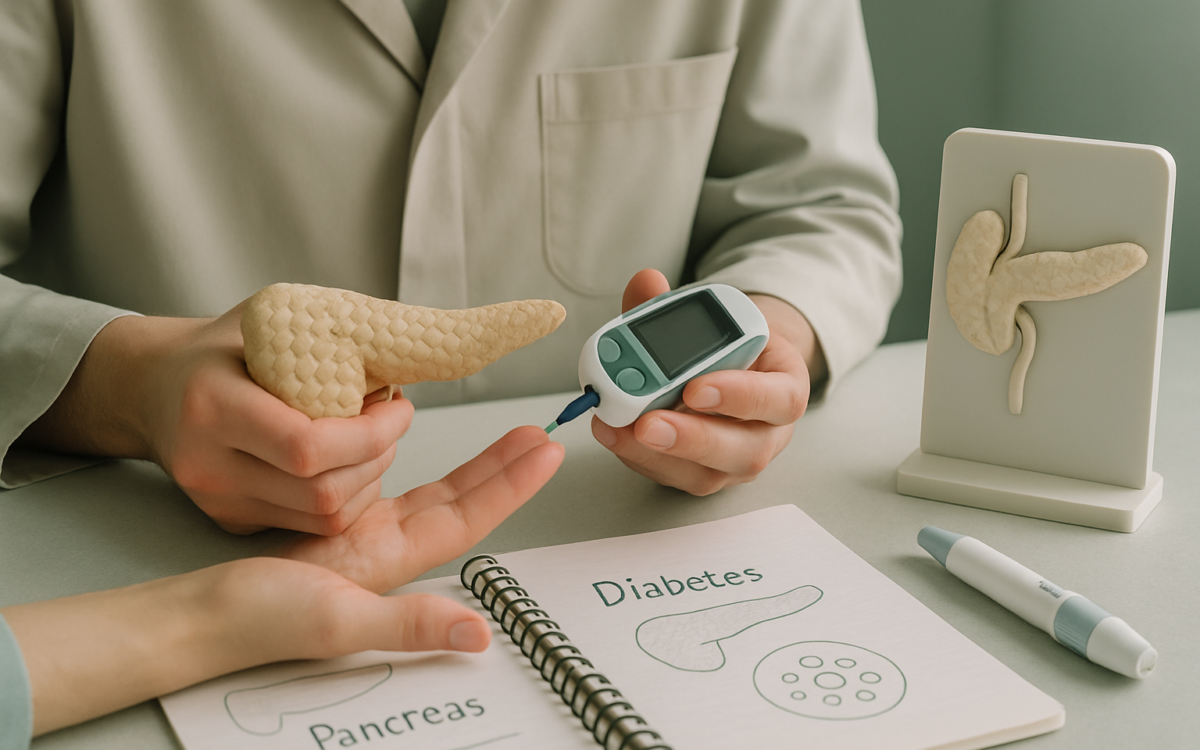
The pancreas is a small but powerful organ located behind the stomach. Though it might not get as much attention as other organs, it plays a crucial role in our overall health, especially in relation to diabetes. This disease affects millions of people worldwide and is closely linked to the way our pancreas functions. By understanding the relationship between the pancreas and diabetes, we can better manage this condition and improve our health outcomes.
The Functions of the Pancreas
The pancreas has two main functions: endocrine and exocrine. The endocrine function involves the production of important hormones that regulate blood sugar levels, while the exocrine function helps with digestion.
Endocrine Function
The endocrine part of the pancreas consists of clusters of cells called the islets of Langerhans. These cells produce hormones, including:
- Insulin: Releases when blood sugar levels rise, allowing cells to take in glucose for energy or store it for later use.
- Glucagon: Released when blood sugar levels drop to stimulate the liver to release stored glucose.
- Somatostatin: Helps regulate the balance between insulin and glucagon.
The balance between insulin and glucagon is crucial for maintaining stable blood sugar levels. Problems with this balance can lead to diabetes.
How Diabetes Affects the Pancreas
Diabetes comes in several forms, the most common being Type 1 and Type 2 diabetes. Each has distinct causes, but both significantly affect the pancreas.
Type 1 Diabetes
In Type 1 diabetes, the body’s immune system mistakenly attacks and destroys the insulin-producing cells in the pancreas. This leads to little or no insulin production. People with Type 1 diabetes must manage their condition by regularly monitoring their blood sugar levels and administering insulin injections or using an insulin pump.
Type 2 Diabetes
Type 2 diabetes is more common than Type 1 and involves a different mechanism. In this case, the pancreas usually produces insulin, but the body’s cells become resistant to it. As a result, more insulin is needed to keep blood sugar levels in check. Over time, the pancreas can become exhausted and produce less insulin, leading to higher blood sugar levels. Factors contributing to Type 2 diabetes include:
- Obesity
- Physical inactivity
- A family history of diabetes
- Unhealthy diet
Symptoms of Diabetes and Their Connection to the Pancreas
The symptoms of diabetes are often linked to the pancreas’s failure to produce or effectively use insulin. Common symptoms include:
- Increased thirst and hunger
- Frequent urination
- Fatigue
- Blurred vision
- Unexplained weight loss (more common in Type 1)
These symptoms stem from high blood sugar levels caused by insufficient insulin or insulin resistance, highlighting the critical role of the pancreas in diabetes management.
Living with Diabetes: The Importance of Pancreas Health
Maintaining good health of the pancreas is essential for anyone living with diabetes. Here are some strategies to consider:
- Regular Monitoring: Check blood sugar levels frequently to understand how food, activity, and medications affect your body.
- Healthy Eating: Focus on a balanced diet rich in whole grains, fruits, vegetables, lean proteins, and healthy fats to stabilize blood sugar levels.
- Physical Activity: Engage in regular exercise to improve insulin sensitivity and help manage your weight.
- Medication Adherence: Follow your doctor’s instructions regarding insulin or other medications diligently.
Making these lifestyle changes can help support overall pancreatic health and improve diabetes management.
New Developments in Pancreatic Research
Research into the pancreas and its role in diabetes is an active field of study. Recent advancements aim to better understand the connection between diabetes and pancreatic health.
For instance, scientists are exploring:
- Stem Cell Research: Investigating how stem cells can be used to generate insulin-producing cells in the pancreas.
- Artificial Pancreas: Developing technology to automatically monitor blood sugar levels and deliver insulin as needed.
Such innovations have the potential to revolutionize diabetes treatment and improve the quality of life for those affected by this condition.
When to See a Doctor
If you notice symptoms of diabetes or have risk factors for the disease, it’s important to consult your doctor promptly. Early diagnosis can lead to better management and reduce the risk of complications. Regular check-ups and discussions about your symptoms, blood sugar levels, and overall health can lead to proactive management of diabetes and its effects on the pancreas.
Understanding the intricate relationship between the pancreas and diabetes allows us to appreciate the importance of this organ in our health. By taking proactive steps and staying informed, individuals can manage their diabetes more effectively and enhance their quality of life.
