
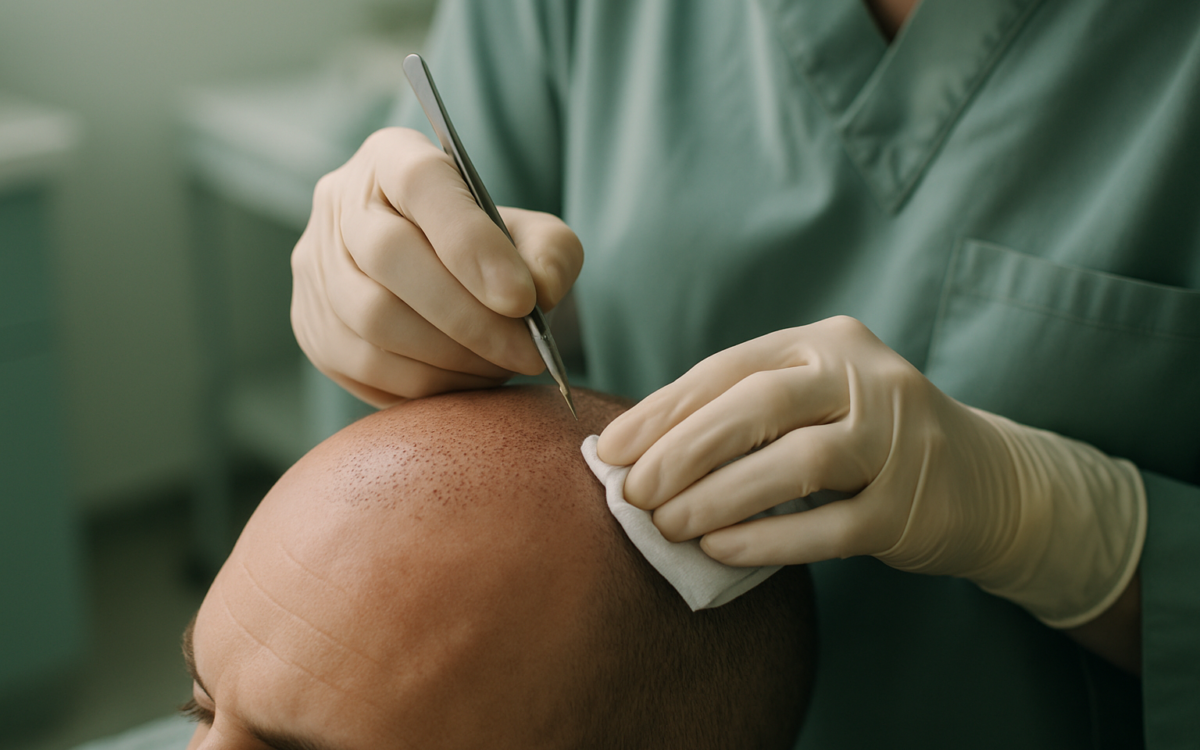
Hair loss is a common concern for many people, affecting both men and women. As a result, numerous treatments have emerged over the years, but hair transplants remain a popular and effective option. If you’re curious about how hair transplants work and what the process involves, you’re not alone. In this article, we’ll break down the science behind hair transplants, the different techniques used, potential benefits and risks, and how to prepare for the procedure.
What is a Hair Transplant?
A hair transplant is a surgical procedure that moves hair follicles from one part of the body (called the donor site) to another area that is thinning or balding (the recipient site). This technique is primarily used to treat male and female pattern baldness, but it can also be employed in other situations, such as restoring hair after injury or surgery.
How Do Hair Transplants Work?
The core principle of hair transplants lies in the harvesting of individual hair follicles. Below, we’ll look at two of the most commonly used techniques:
Follicular Unit Transplantation (FUT)
FUT, often referred to as the strip method, involves taking a strip of skin from the donor area, typically from the back of the scalp where hair is most resilient. The strip contains hair follicles that are then dissected into individual units for transplantation. This method allows for a larger number of follicles to be transplanted in one session.
Follicular Unit Extraction (FUE)
FUE is a more modern technique that extracts hair follicles one by one using a specialized tool. This method leaves small, dot-like scars rather than a single linear scar, making it a popular choice among patients who prefer shorter hairstyles. Both methods have their pros and cons, and the choice often depends on the specific needs and preferences of the patient.
The Benefits of Hair Transplants
There are several benefits to undergoing a hair transplant, including:
- Natural Appearance: Since the hair follicles come from your scalp, the new hair looks natural and blends in with your existing hair.
- Permanent Solution: Once transplanted, the hair follicles will typically continue to grow in their new location for a lifetime, giving you a long-lasting solution to hair loss.
- Boost in Confidence: Many patients report improved self-esteem and confidence following a hair transplant, as they feel more aligned with their self-image.
What to Expect During the Procedure
Before the procedure, a consultation with a qualified specialist is essential. They will assess your hair loss and discuss your goals. The actual procedure can take several hours to complete, depending on the number of grafts needed.
During the surgery, you’ll be given local anesthesia to numb the donor area and recipient sites. You may also receive medication to help you relax. Once the grafts are harvested and prepared, the surgeon will make tiny incisions in the scalp and carefully place the hair follicles into these incisions.
After the procedure, you might experience some swelling, discomfort, or minor bleeding in the treated areas, which should subside within a few days. It’s essential to follow your surgeon’s post-operative care instructions, which may include avoiding strenuous activities and using specific shampoos.
Risks and Considerations
Like any surgical procedure, hair transplants carry some risks. Potential complications include:
- Infection: As with any surgical procedure, there’s a risk of infection at the donor or recipient sites.
- Scarring: Depending on the technique used, there may be visible scarring, particularly with FUT.
- Unnatural Appearance: If not done properly, hair transplants can result in an unnatural look. It’s crucial to choose a skilled surgeon.
Discuss these risks with your doctor, who can provide comprehensive information tailored to your individual circumstances.
Post-Operative Care and Hair Growth
After the transplant, it can take some time for your hair to begin growing in the recipient area. Generally, transplanted hair will fall out within a few months, a normal part of the process before new growth begins. You may start to notice new hair growth around six to eight months after the procedure, with the full results visible after approximately one year.
During the recovery phase, keeping the scalp clean and following your healthcare provider’s instructions is vital. Some patients may benefit from using hair growth products, though you should consult your doctor before starting any new treatments.
When to See a Doctor
If you’re experiencing significant hair loss and are considering a hair transplant, a consultation with a dermatologist or a hair restoration specialist is the best first step. They can determine whether you’re a suitable candidate and discuss the best options for you. It’s also important to consult your doctor if you notice sudden or unusual hair loss, as this could indicate an underlying medical condition that requires attention.
For more information, refer to reputable sources like the Mayo Clinic and National Institutes of Health.
Understanding the process and implications of hair transplants can help you make informed decisions about your hair restoration journey. Always consult with qualified healthcare professionals to ensure that you choose the best path for your needs.
