
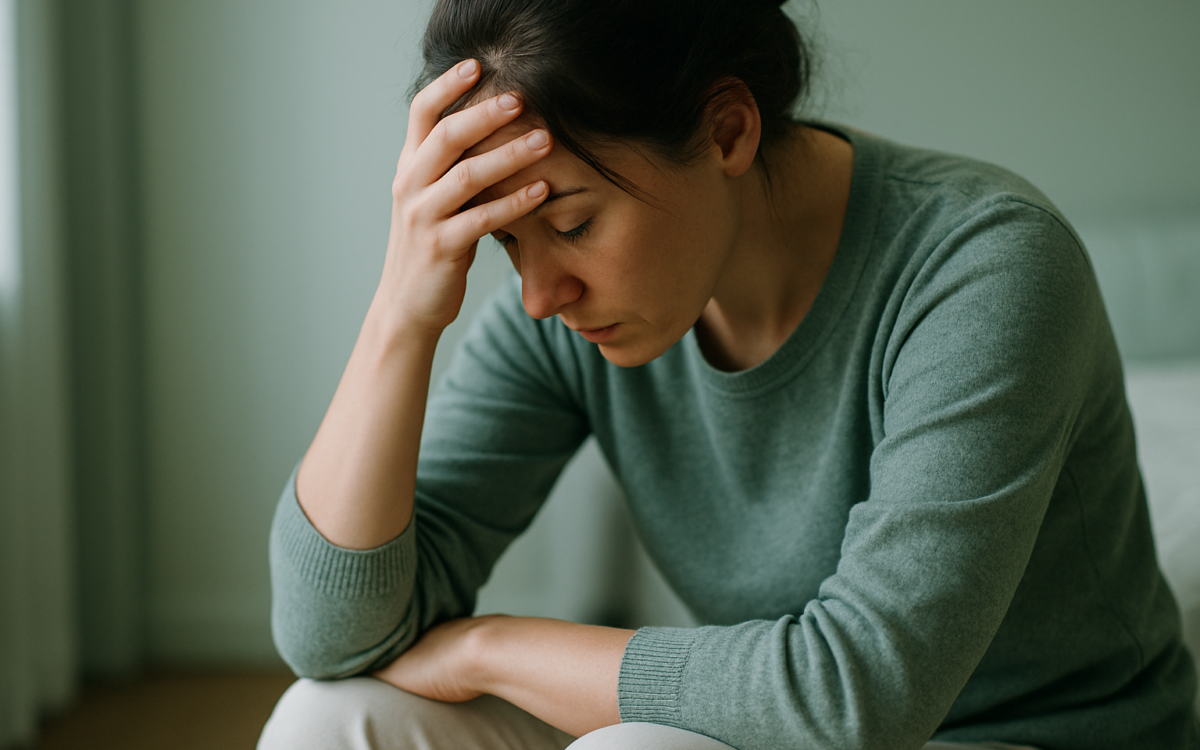
Depression is a complex mental health condition that affects many women at different stages of life. While it’s important to remember that depression can manifest in various ways, recognizing the signs early can lead to better outcomes and support. This article will explore the common symptoms of depression in women, the importance of understanding these signs, and what to do if you or someone you know is struggling.
Common Emotional Signs
One of the first indicators of depression in women may be a change in emotions. While everyone has ups and downs, a persistent feeling of sadness or emptiness can be a warning sign. Here are some emotional symptoms to look out for:
- Persistent Sadness: Feeling sad or down most of the day.
- Hopelessness: Experiencing a lack of hope for the future.
- Feelings of Worthlessness: Having low self-esteem or feeling undeserving of happiness.
- Anxiety: Increased feelings of anxiety or worry that don’t seem to go away.
These emotional signs can be debilitating, causing a person to withdraw from social situations and lose interest in activities they once enjoyed.
Physical Signs and Symptoms
Depression often manifests physically as well. Women may notice various changes in their body that are closely tied to their emotional state. Some common physical signs include:
- Fatigue: Feeling tired even after sleeping well.
- Changes in Appetite: Significant weight loss or gain due to changes in eating habits.
- Sleep Problems: Difficulty sleeping, oversleeping, or feeling unrested.
- Physical Aches: Unexplained pain or discomfort without a clear medical reason.
These physical symptoms often create a cycle, as the pain or fatigue can reinforce feelings of depression.
Diminished Interest and Social Withdrawal
Another key sign of depression in women is a marked decrease in interest or pleasure in previously enjoyed activities, known as anhedonia. You may notice:
- Loss of Interest: A once-loved hobby or activity may suddenly seem unappealing.
- Avoiding Social Situations: Preferring to isolate rather than engage with friends and family.
- Struggles with Relationships: Increased conflict or withdrawal in personal connections.
Social withdrawal can be particularly concerning. The more a person distances themselves from others, the more difficult it can become to reach out for help. If you recognize these patterns in yourself or someone you care about, it’s essential to approach the situation with compassion.
Impact of Hormonal Changes
Women experience various hormonal shifts at different life stages, such as menstruation, pregnancy, and menopause. These changes can contribute to or exacerbate feelings of depression. Research indicates that conditions like premenstrual dysphoric disorder (PMDD) and postpartum depression can significantly affect mood and mental health. Here are some things to consider:
- Premenstrual Symptoms: Severe emotional and physical symptoms that can mimic depression just before a woman’s period.
- Pregnancy: The post-birth stage is a crucial time for mental health, with many women experiencing postpartum depression.
- Menopause: Mood swings and depressive symptoms can be intensified during menopause due to fluctuating hormone levels.
If you find that hormonal changes impact your mood, seeking help can make a notable difference. Some women explore international treatment options, such as those offered at Acibadem International, which can provide specialized care based on comprehensive evaluations.
Cognitive Signs of Depression
Depression can also negatively affect thinking patterns. This can manifest in several ways:
- Difficulty Concentrating: Challenges in focusing on tasks or remembering information.
- Indecisiveness: Struggling to make even simple decisions, leading to frustration.
- Negative Thoughts: A pattern of pessimism that colors one’s outlook on life.
These cognitive symptoms can hinder daily functioning, making it challenging to keep up with responsibilities at work and home.
When to See a Doctor
It’s important to note that experiencing one or more of these signs doesn’t mean someone has depression. However, if these symptoms worsen or persist for more than two weeks, seeking help from a healthcare professional is crucial. Early intervention can lead to better treatment options and support strategies. Symptoms that warrant a doctor’s visit include:
- Suicidal thoughts or actions.
- Severe impairments in daily life.
- Persistent emotional or physical symptoms.
Your mental health is essential, and consulting a doctor or therapist can pave the way for recovery.
Conclusion
Recognizing the signs of depression in women is the first step towards seeking help and support. Whether emotional, physical, social, or cognitive, these symptoms speak to the complex interplay of factors affecting mental health. By maintaining open lines of communication and being aware of these indicators, we can create a more supportive environment for those in need. Don’t hesitate to reach out to a healthcare professional if you or someone you love shows signs of depression.
