
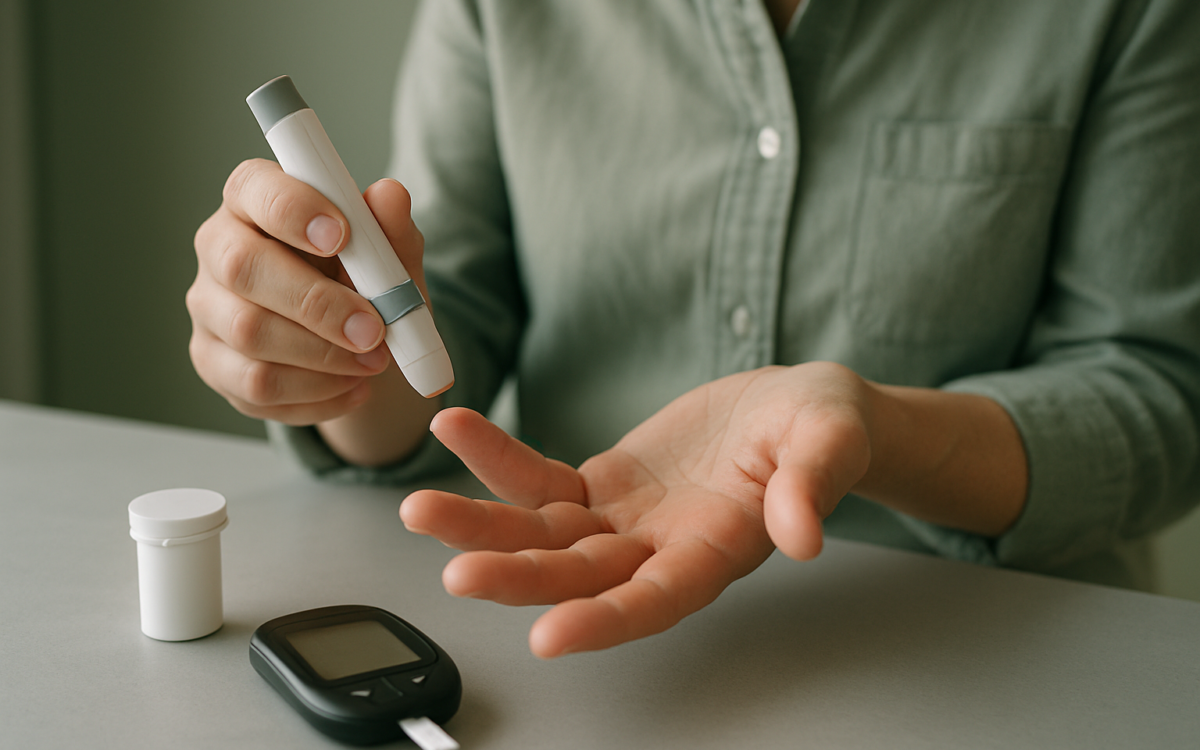
Diabetes is a condition that affects millions of people around the globe. It occurs when the body cannot properly regulate blood sugar levels, leading to a variety of health issues. Unfortunately, many people may not realize they have diabetes until complications arise. Understanding the signs of this condition can help individuals catch it early and manage their health more effectively.
What is Diabetes?
Diabetes is a chronic illness that affects how your body processes glucose, the sugar your body needs for energy. There are two main types: Type 1 and Type 2 diabetes. Type 1 occurs when the body does not produce insulin, a hormone that helps regulate blood sugar. Type 2, more common and often linked to lifestyle factors, occurs when the body does not use insulin properly.
Common Signs of Diabetes
Some signs and symptoms of diabetes can be subtle while others may be more severe. Here’s a look at some of the most common indicators:
Increased Thirst and Hunger
Feeling thirsty more often than usual? Notice an insatiable hunger? Increased thirst and hunger are common signs that your blood sugar levels may not be properly regulated. When glucose isn’t utilized effectively, your body craves more fuel, resulting in increased hunger. Dehydration from excessive urination can lead to increased thirst as well.
Frequent Urination
Another common sign of diabetes is frequent urination, also known as polyuria. When blood sugar levels are high, your kidneys work extra hard to filter and absorb the excess sugar. If they’re unable to do so, the sugar is expelled from your body through urine, leading to the need to urinate more often.
Fatigue and Weakness
Chronic fatigue and a feeling of weakness can be signals of diabetes. When your body doesn’t effectively utilize glucose for energy, you may feel unusually tired or weak. This lack of energy can affect daily activities and lead to decreased productivity.
Blurry Vision
If you notice blurred or distorted vision, this may be due to diabetes as well. High blood sugar levels can affect your eyesight by causing fluid to shift into your eye lenses. This can result in temporary changes in vision, so it’s important to pay attention to any potential vision issues.
Other Signs to Look For
While the signs mentioned above are often the most recognizable, there are other symptoms that can indicate diabetes:
- Slow Healing Wounds: If cuts and bruises take longer than usual to heal, this may be a sign of diabetes, as high blood sugar can lead to poor circulation.
- Numbness or Tingling: Neuropathy, or nerve damage, can occur in diabetes, leading to feelings of numbness or tingling in the hands and feet.
- Dark Skin Patches: A condition known as acanthosis nigricans can cause dark, velvety patches of skin, particularly in the armpits and neck, which can be a sign of insulin resistance.
Why Early Detection is Important
Recognizing the signs of diabetes early can significantly impact your health. Early detection allows for timely intervention, which can help prevent serious complications such as heart disease, kidney damage, and vision problems. According to the Centers for Disease Control and Prevention (CDC), many people with Type 2 diabetes may not even know they have it until they begin to experience complications.
Managing Your Risk
If you’re concerned about the signs or symptoms of diabetes, or if you’re at risk due to family history or lifestyle factors, consult your doctor. They can recommend appropriate tests such as blood sugar level checks or A1C tests to assess your glucose management over time. Maintaining a healthy diet, regular exercise, and staying hydrated can help manage blood sugar levels and may lessen your risk for diabetes.
When to See a Doctor
If you notice any of the signs mentioned above, or if you have concerns about your risk for diabetes, it’s important to consult your healthcare provider. They can perform the necessary tests to determine if you have diabetes or are at risk of developing it.
Conclusion
Being aware of the signs of diabetes is crucial for early detection and management of this common yet serious condition. By paying attention to your body and seeking medical advice when needed, you can take positive steps toward maintaining your health. Stay informed, stay healthy, and don’t hesitate to reach out to a healthcare professional for guidance and support.
