
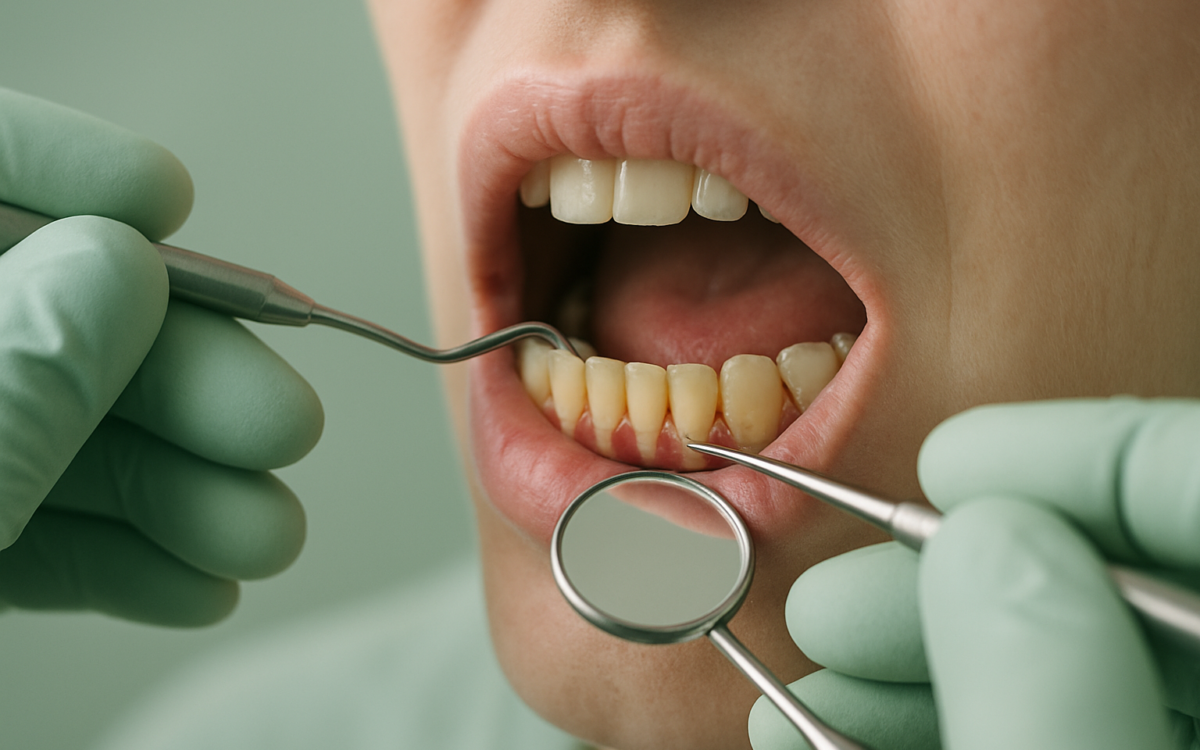
Gum disease, also known as periodontal disease, affects many people and can lead to serious oral health issues if left untreated. It starts with gum inflammation, often due to plaque buildup, and can progress to more severe stages. Understanding the signs and symptoms of gum disease is vital for maintaining good oral health and preventing more significant complications. In this article, we will explore how to recognize the early warning signs of gum disease and what steps you can take to protect your oral health.
What Causes Gum Disease?
Gum disease is primarily caused by poor oral hygiene habits that allow plaque to build up on the teeth and harden into tartar. Tartar can irritate the gum tissue, leading to gingivitis, the earliest stage of gum disease. If not addressed, gingivitis can progress to periodontitis, where the inflammation spreads deeper into the supporting structures of the teeth.
Several factors can contribute to the development of gum disease, including:
- Hormonal changes: Changes during puberty, menstruation, pregnancy, or menopause can make gums more sensitive and prone to gum disease.
- Medical conditions: Certain diseases such as diabetes, cancer, and autoimmune diseases can increase the risk of gum disease.
- Tobacco use: Smoking and other tobacco products can harm gum tissue, making users more susceptible to gum disease.
- Genetics: Some people are more genetically inclined to develop gum disease, regardless of their oral hygiene practices.
Identifying the Early Signs of Gum Disease
The early stages of gum disease can be subtle, but there are several signs to watch for:
- Red, swollen gums: Healthy gums should be pale pink and firm. If your gums are red and swollen, it may indicate gingivitis.
- Bleeding gums: If your gums bleed during brushing or flossing, it’s a significant sign that inflammation is present.
- Persistent bad breath: Halitosis, or bad breath, can be a sign of gum disease, as bacteria in the mouth release toxins that contribute to foul odors.
Symptoms of Advanced Gum Disease
As gum disease progresses to periodontitis, symptoms can become more severe and may include:
- Receding gums: Gums may start to pull away from the teeth, exposing more of the tooth or its roots.
- Loose teeth: The supporting structures of the teeth become compromised, which can lead to tooth mobility.
- Changes in bite: If your bite feels different, or if your teeth appear misaligned, it might be due to underlying gum disease affecting your tooth support.
How to Determine Your Gum Health
Regular dental check-ups are essential for assessing gum health. During these visits, dentists will check for signs of gum disease and use special instruments to measure the depth of gum pockets around each tooth. If you haven’t been to the dentist recently, consider scheduling an appointment for a comprehensive evaluation.
In addition to professional examinations, maintaining a good oral hygiene routine can help keep your gums healthy. This includes brushing twice a day with fluoride toothpaste, flossing daily, and using an antiseptic mouthwash to help reduce plaque buildup.
Prevention Strategies for Healthy Gums
Preventing gum disease largely involves a proactive approach to oral hygiene and dental health. Here are some effective strategies:
- Regular dental visits: Aim for dental check-ups at least twice a year to monitor your oral health.
- Effective brushing and flossing: Brush your teeth at least twice daily and floss to remove plaque from between teeth.
- A balanced diet: Eating plenty of fruits and vegetables while limiting sugary snacks can help reduce cavity risk and promote gum health.
- Quit smoking: If you smoke or use tobacco, seek help to quit, as this can improve your gum condition significantly.
When to See a Doctor
If you notice any of the signs of gum disease or have concerns about your oral health, it’s vital to consult a dental professional. Early intervention is key to managing gum disease effectively and preventing its progression.
For more information on gum disease, the CDC and Mayo Clinic provide valuable resources to guide you.
Conclusion
Gum disease is a common but serious condition that can have a significant impact on your health if left untreated. By learning how to recognize the warning signs and taking proactive steps to maintain your oral hygiene, you can preserve your gum health and overall well-being. Remember, regular visits to the dentist are crucial to identify any issues early on, so prioritize your dental health today!
