
The sodium blood test is a vital medical tool used to assess your body’s electrolyte balance. Sodium is a key mineral that helps regulate fluid balance, nerve function, and muscle contractions. Maintaining the right level of sodium is essential for good health, and this test can provide important insights into your overall well-being.
What is a Sodium Blood Test?
The sodium blood test measures the concentration of sodium in your bloodstream. Sodium levels are typically expressed in milliequivalents per liter (mEq/L). The normal range for sodium levels is usually between 135 and 145 mEq/L. Levels outside this range can indicate potential health issues.
Why is Sodium Important?
Sodium is an essential mineral that plays several crucial roles in the body:
- Fluid Balance: Sodium helps maintain the balance of fluids in and around your cells. This balance is vital for proper hydration.
- Nerve Function: Sodium is crucial for transmitting electrical signals in the nervous system. It helps facilitate communication between the brain and the rest of the body.
- Muscle Contraction: Sodium assists in muscle contractions, enabling movement and physical activity.
When is a Sodium Blood Test Required?
Your doctor may recommend a sodium blood test in various situations, including:
- If you have symptoms of an electrolyte imbalance, such as confusion, seizures, or muscle weakness.
- When you have specific medical conditions, such as kidney disease, heart failure, or certain hormonal imbalances.
- As part of routine blood tests during regular medical check-ups, especially if you are at risk of developing sodium imbalances.
Interpreting Sodium Levels
Understanding your sodium levels and what they mean is crucial. Here’s a closer look at different sodium level ranges:
Low Sodium Levels (Hyponatremia)
Hyponatremia occurs when sodium levels fall below 135 mEq/L. Causes of low sodium levels can include:
- Excessive fluid intake
- Kidney problems
- Certain medications, such as diuretics
- Severe vomiting or diarrhea
Symptoms of low sodium may include nausea, headache, confusion, and fatigue. Severe cases can lead to seizures or coma.
High Sodium Levels (Hypernatremia)
Hypernatremia is when sodium levels exceed 145 mEq/L. Causes can include:
- Dehydration
- Certain medications
- Kidney dysfunction
- Excessive sodium intake
Symptoms may include increased thirst, confusion, muscle twitching, and in severe cases, can lead to neurological issues.
Factors Affecting Sodium Levels
Various factors can influence your sodium levels, including:
- Diet: A diet high in sodium can raise your blood sodium levels. Processed foods typically contain more sodium.
- Hydration: Chronic dehydration can lead to higher sodium levels, while excessive fluid intake can dilute sodium levels.
- Medications: Certain medications can affect how your body regulates sodium. Always inform your healthcare provider about any medications you are taking.
It is important to monitor and discuss any changes in your sodium levels with your healthcare provider, especially if you notice symptoms of imbalance.
How is the Test Performed?
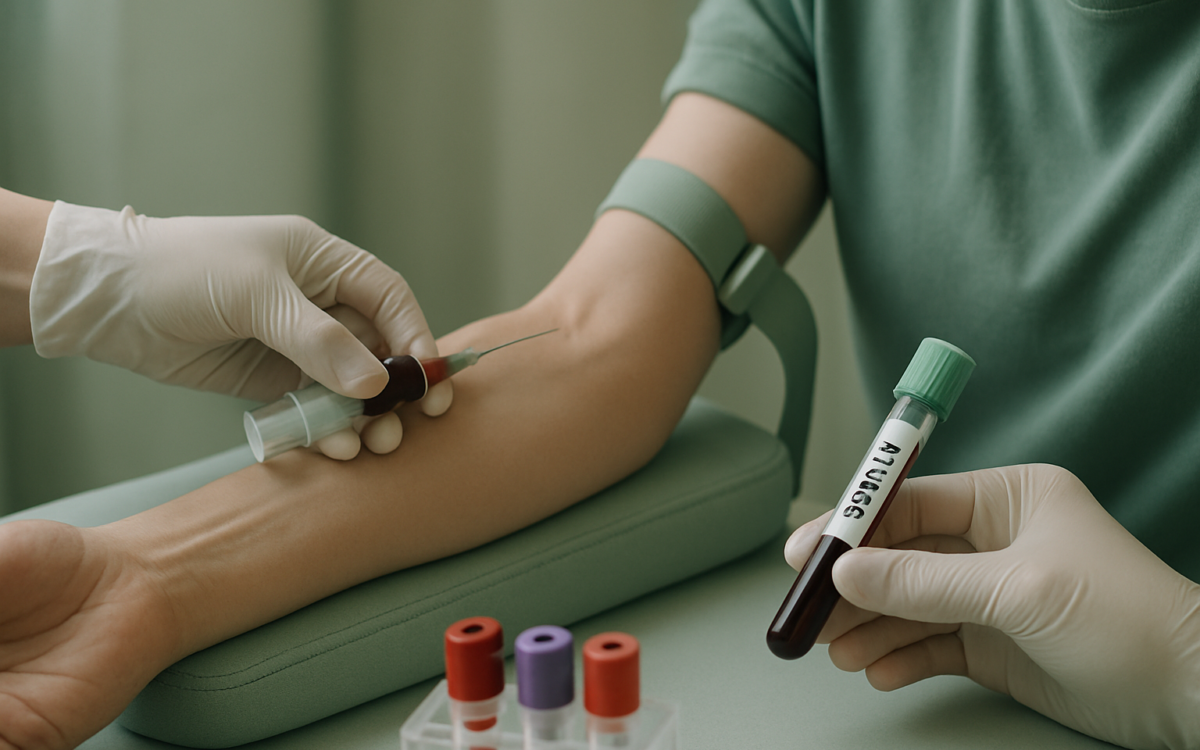
The sodium blood test is simple and typically involves drawing a small amount of blood from a vein in your arm. The procedure is quick, usually taking just a few minutes.
What Happens After the Test?
After your blood sample is taken, it will be sent to a laboratory for analysis, and the results are usually available within a day or two. Your doctor will discuss the results with you, explaining what the sodium levels mean for your health. Depending on the results, additional tests or treatments may be suggested.
When to See a Doctor
If you experience symptoms that may indicate an electrolyte imbalance, such as severe headaches, confusion, extreme fatigue, or muscle cramping, it is essential to seek medical attention promptly. Your doctor can determine whether a sodium blood test or other evaluations are necessary.
To learn more about sodium levels and the sodium blood test, you can explore resources from the Mayo Clinic and the National Institutes of Health.
Conclusion
The sodium blood test is an essential tool for assessing your body’s electrolyte balance. By understanding its significance and being aware of when you might need one, you can stay informed about your health. Always consult with your doctor if you have concerns about your sodium levels or any related symptoms. Taking a proactive approach to your health can make all the difference in maintaining your well-being.
