
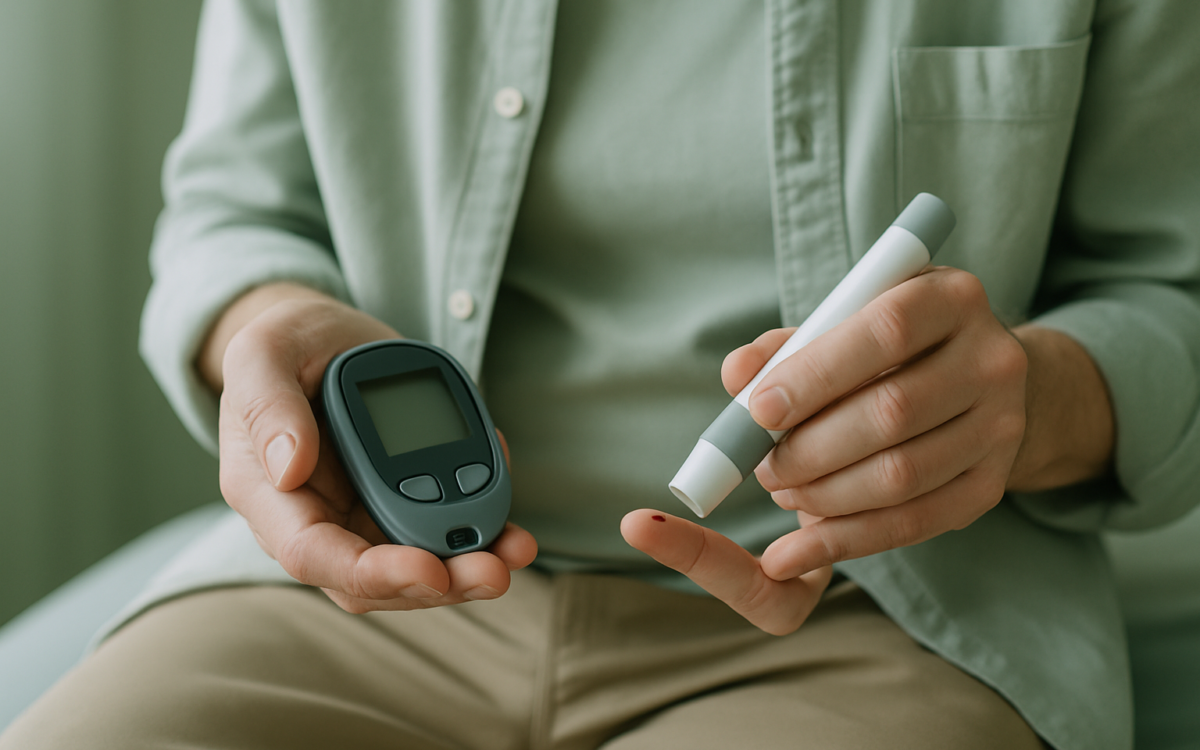
Diabetes, often referred to as sugar diabetes, is a metabolic disorder that affects how your body processes glucose (sugar). Understanding the symptoms is crucial for early detection and management. With the increasing prevalence of diabetes globally, recognizing these signs can make a significant difference in one’s health journey.
What is Diabetes?
Diabetes is categorized mainly into two types: Type 1 and Type 2. Type 1 diabetes is an autoimmune condition where the body doesn’t produce insulin, while Type 2 diabetes involves insulin resistance, where the body doesn’t use insulin properly. Each type has distinct symptoms, though there are similarities that unite them.
Common Symptoms of Diabetes
Recognizing the signs of diabetes early can lead to timely intervention. Here are some common symptoms:
- Frequent urination: High blood sugar levels can lead to increased urination as the kidneys work to expel excess sugar.
- Excessive thirst: Frequent urination leads to dehydration, causing an insatiable thirst.
- Increased hunger: The body’s cells are unable to access sugar for energy, prompting increased cravings for food.
- Fatigue: Diabetes can leave you feeling drained and lethargic due to the inability to convert sugar into energy.
- Blurred vision: High blood sugar levels can cause the lenses of your eyes to swell, affecting your vision.
- Slow healing wounds: High glucose levels can impair blood flow and cause nerve damage, leading to slow healing of cuts and sores.
- Dark patches on skin: A condition known as acanthosis nigricans can cause dark, velvety patches in body folds and creases, indicating insulin resistance.
Differences Between Type 1 and Type 2 Symptoms
While many symptoms are common, there are critical differences between Type 1 and Type 2 diabetes symptoms:
- Type 1 Diabetes: Symptoms can develop suddenly and may include extreme hunger, weight loss despite normal or increased eating, and rapid onset of fatigue.
- Type 2 Diabetes: Symptoms often develop slowly over time and can include frequent infections, tingling sensations in the hands or feet, and areas of darkened skin.
The Role of Genetics and Lifestyle in Diabetes
Your risk for developing diabetes can be influenced by genetic and lifestyle factors. If you have a family history of diabetes, your risk is higher. Lifestyle factors such as obesity, lack of physical activity, and poor diet can also elevate your risk for Type 2 diabetes.
Regular check-ups and blood tests can help monitor your blood sugar levels, especially if you have risk factors. Adopting a balanced diet and engaging in regular physical activity are excellent preventive measures.
International Perspectives on Diabetes Management
Diabetes is a global health issue, and different countries have unique approaches to its management. For those seeking comprehensive care, institutions like Acibadem International offer specialized programs that integrate advanced medical technology with personalized care plans.
Understanding varying treatment approaches can provide insights into effective management strategies and result in better health outcomes.
When to See a Doctor
If you notice any of the symptoms mentioned above, it’s crucial to consult a healthcare professional promptly. Early diagnosis can be vital for effective management, reducing the risk of complications associated with diabetes.
Consult a doctor if you experience significant changes in thirst, hunger, or urination patterns, unexplained weight loss, or any other unusual symptoms. Regular check-ups can help keep your health in check, especially if you have risk factors for diabetes.
Conclusion
Understanding the symptoms of sugar diabetes is essential for proactive management of your health. By recognizing the signs early and seeking medical advice, you can take steps toward maintaining your health and well-being. With the right knowledge and resources, you can better navigate the complexities of diabetes.
