
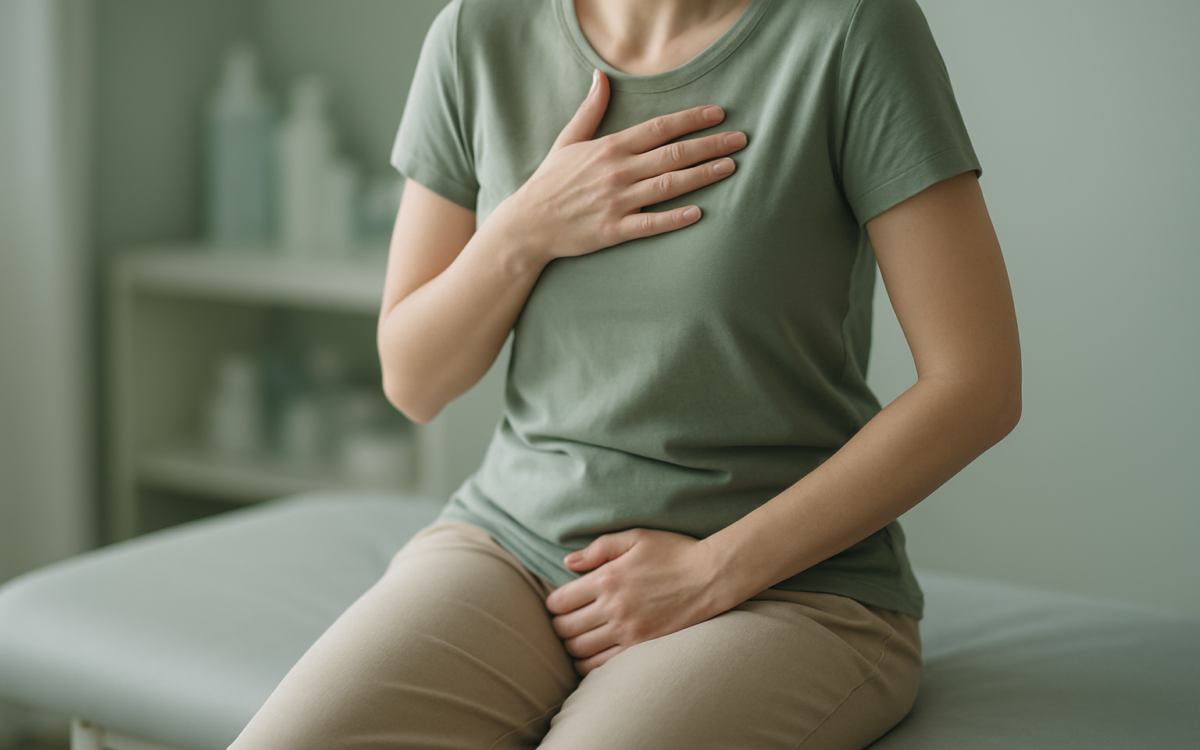
Estrogen is a vital hormone that plays many roles in the body, particularly in women’s health. It helps regulate the menstrual cycle, supports bone health, and influences mood. When estrogen levels drop, whether due to menopause, stress, or other health issues, it can lead to various symptoms. Understanding these signs is essential for managing your health and seeking help when necessary.
What is Estrogen?
Estrogen is produced primarily in the ovaries but is also made in smaller amounts by the adrenal glands and fat tissues. It is crucial for maintaining various body functions, including the reproductive system, bone density, and even skin health. An adequate level of estrogen helps keep the body running smoothly.
Common Symptoms of Low Estrogen
Low estrogen can manifest in several ways, and recognizing these symptoms is the first step toward getting help:
- Irregular Menstrual Cycles: One of the first signs of low estrogen is irregularities in your menstrual cycle. Periods may become lighter or heavier, more frequent, or spaced further apart.
- Hot Flashes and Night Sweats: Many women experience hot flashes—sudden feelings of warmth often followed by sweating. Night sweats can disrupt sleep, leading to fatigue.
- Mood Swings: Estrogen has a profound effect on neurotransmitters in the brain. Low levels can lead to mood changes, anxiety, and even depression.
- Vaginal Dryness: Decreased estrogen can result in vaginal tissues becoming thin and dry, which may cause discomfort during intercourse.
- Weight Gain: Changes in estrogen levels can influence body weight. Many women notice increased fat in the abdominal area due to hormonal fluctuations.
- Fatigue: A lack of estrogen can contribute to feelings of tiredness, making everyday tasks seem more challenging.
Causes of Low Estrogen
Understanding the causes of low estrogen can help in identifying whether you might be experiencing symptoms. Common causes include:
- Menopause: The most common natural cause of low estrogen occurs during menopause, as the ovaries gradually reduce estrogen production.
- Hormonal Disorders: Conditions such as polycystic ovary syndrome (PCOS) or hypothalamic amenorrhea can disrupt normal hormonal balances.
- Chronic Stress: High-stress levels can interfere with hormone production, including estrogen.
- Certain Medications: Some medications, particularly those used in cancer treatments, can contribute to lower estrogen levels.
- Excessive Exercise or Low Body Weight: Athletes or individuals with very low body weight may experience hormonal disruption, leading to low estrogen.
International Considerations: Seeking Help and Treatment
If you notice symptoms of low estrogen, it’s essential to consult with a healthcare provider who understands hormonal health. In some cases, treatments may be available in different countries that can target these symptoms effectively. For instance, treatment in Turkey has been gaining attention for its innovative approaches to hormonal health, making it a potential option for individuals seeking specialized care.
Diagnosis of Low Estrogen
To diagnose low estrogen, healthcare providers often perform a combination of physical examinations and blood tests. These tests measure various hormones, including estrogen, to determine your levels accurately. Your doctor may also inquire about your symptoms, medical history, and any medications you may be taking.
Possible Treatments and Management
Once diagnosed with low estrogen, several treatment options can help manage symptoms:
- Hormone Replacement Therapy (HRT): This therapy includes medications to replace the estrogen your body is no longer producing. Your doctor can help determine if this is a suitable option for you.
- Lifestyle Changes: Diet, exercise, and stress management can significantly impact hormonal balance. Focus on a balanced diet rich in phytoestrogens, regular physical activity, and stress reduction techniques.
- Supportive Therapies: Some women find relief from symptoms through alternative therapies such as acupuncture, meditation, or herbal supplements. Always discuss these with your healthcare provider before starting.
When to See a Doctor
If you are experiencing symptoms of low estrogen, it’s crucial to reach out to a healthcare professional. Symptoms can vary from mild to severe, and understanding your hormonal health is vital for overall well-being. Seek medical advice if your symptoms are affecting your daily life, or if you have concerns about hormone-related issues.
Maintaining hormonal balance is essential throughout life. By understanding the symptoms of low estrogen and being proactive about your health, you can address this issue effectively and enhance your quality of life.
