
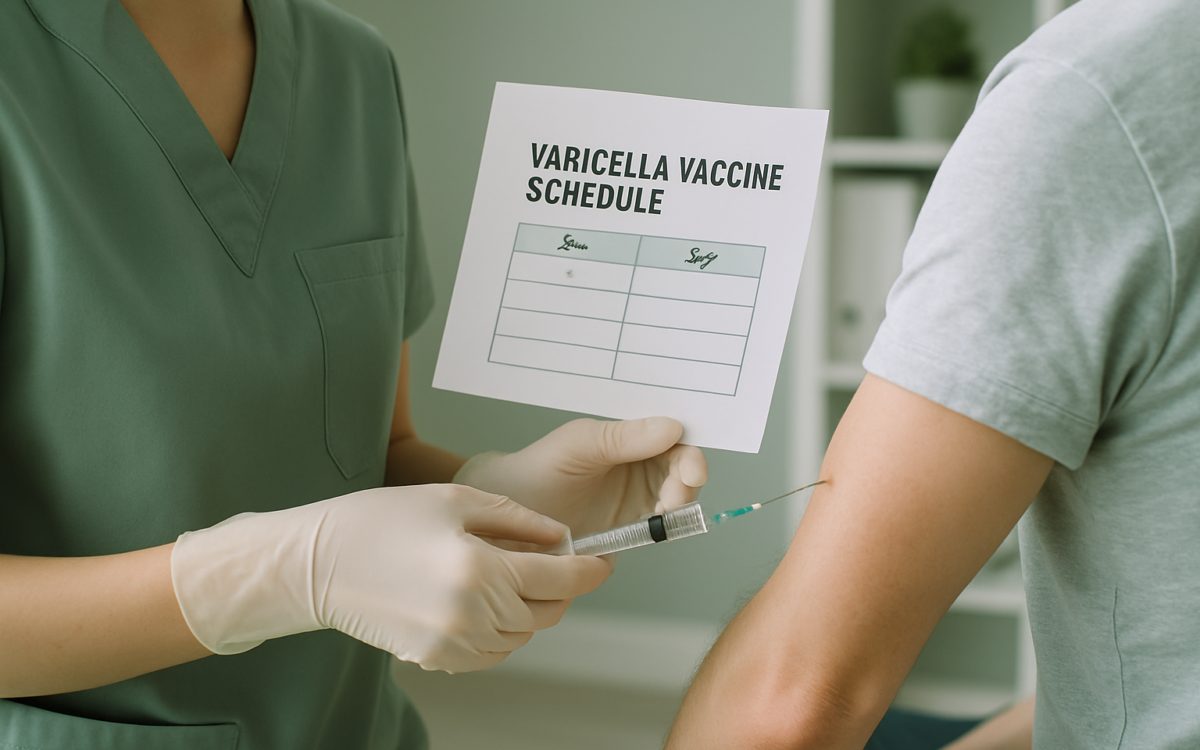
The varicella vaccine, commonly known as the chickenpox vaccine, is an important part of public health, especially for adults who may not be immune to chickenpox. Although many people associate chickenpox with childhood, adults can also contract the virus, leading to more severe complications. This article will guide you through the varicella vaccine schedule for adults, the significance of vaccination, and when you should consider consulting your healthcare provider.
What is the Varicella Vaccine?
The varicella vaccine is derived from the live attenuated strain of the varicella-zoster virus (VZV). This vaccine helps the body develop immunity against chickenpox, an infectious disease characterized by a red, itchy rash, fever, and fatigue. It also helps reduce the risk of herpes zoster (shingles), a painful nerve condition that can occur later in life due to the reactivation of the VZV.
Who Should Get Vaccinated?
While it is generally recommended for children, adults who have never had chickenpox or the vaccine should also consider immunization. At-risk groups include:
- Healthcare workers
- Children and adults living with immunocompromised individuals
- Women of childbearing age
- Travelers to areas where chickenpox outbreaks are more common
Varicella Vaccine Schedule for Adults
For adults, the vaccination schedule may differ based on individual health and medical history. The Centers for Disease Control and Prevention (CDC) suggests the following guidelines:
- Adults without a valid history of vaccination: If you have never received the varicella vaccine or had chickenpox, you should receive two doses of the vaccine. The intervals between doses should be at least 4 to 8 weeks apart.
- Pregnant women: Pregnancy is a critical period where vaccination cannot occur. Women are advised to obtain immunity prior to conception.
- Previously vaccinated individuals: If you received one dose of the varicella vaccine in childhood but are unsure about your immunity, it is advisable to receive a second dose, particularly if you’re at high risk for exposure.
It’s essential to check your vaccination history with your doctor, especially if you are unsure about your immunity levels.
Benefits of the Varicella Vaccine
There are numerous benefits to receiving the varicella vaccine, including:
- Prevention of Chickenpox: Vaccination significantly lowers your chances of contracting chickenpox. According to the CDC, the vaccine is about 90% effective at preventing the disease.
- Reduced Severity of Symptoms: For those who do get chickenpox after vaccination, symptoms are usually milder and shorter in duration.
- Less Risk of Complications: Adults are at higher risk for complications from chickenpox, including pneumonia and hospitalization, making vaccination particularly important.
- Protection Against Shingles: The varicella vaccine may also reduce the risk of developing shingles later in life.
Potential Side Effects
Like any vaccine, the varicella vaccine can cause side effects, although most are mild and temporary. Common side effects include:
- Soreness or swelling at the injection site
- Mild fever
- Rash (in a small percentage of recipients)
It is essential to discuss any concerns about side effects with your healthcare provider. Serious side effects are rare but can occur. Immediate medical attention is advised if you experience severe allergic reactions or other unusual symptoms.
When to See a Doctor
If you have questions or concerns about the varicella vaccine or your vaccination status, consult your healthcare provider. It’s especially important to reach out if:
- You are unsure about your chickenpox immunity or vaccination history.
- You are pregnant, planning to become pregnant, or immunocompromised.
- You experience severe side effects following vaccination.
Conclusion
Understanding the varicella vaccine schedule for adults is crucial in preventing chickenpox and its complications. Vaccination not only protects you but also contributes to community immunity by reducing the chances of outbreaks. If you think you may need the varicella vaccine, consult with your healthcare provider to ensure you take the right steps toward a healthier life. For more information, you can visit the WHO and the Mayo Clinic websites for additional resources and guidance.
