
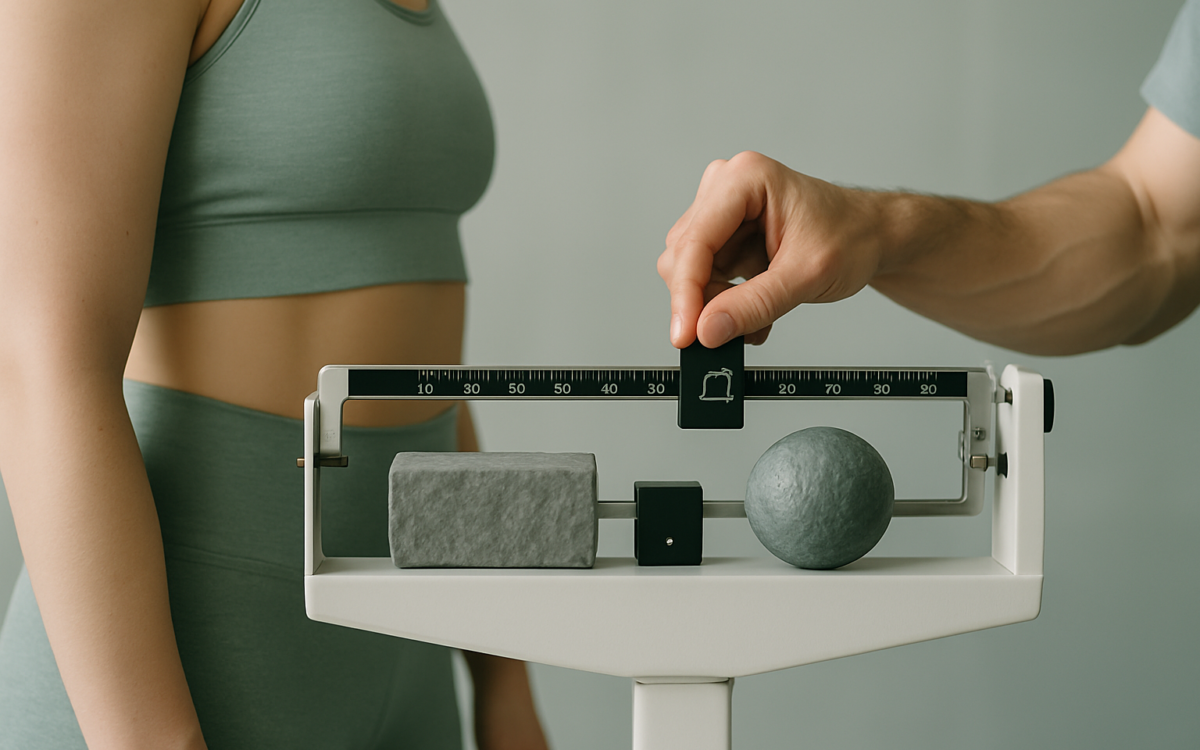
When it comes to body composition, two key components stand out: muscle and fat. Many people are curious: does muscle weigh more than fat? The answer to this question can help us understand fitness, weight loss, and how our bodies work. In this article, we’ll break down why this idea is popular, what the science says, and how it influences our health.
Understanding density and weight
Before diving into the comparison between muscle and fat, it’s essential to understand how density plays a role. Muscle and fat differ not only in their composition but also in their density. Muscle tissue is denser than fat tissue. This means that when you look at equal volumes of muscle and fat, muscle will weigh more.
For example, if you have a pound of muscle and a pound of fat, they will weigh the same: one pound. However, if you were to compare equal volumes (like a cup) of each, the muscle will be significantly heavier because it is denser. This distinction is crucial when considering body composition, especially for those involved in fitness and weight management.
The impact on weight loss and fitness
Many people associate weight loss with scale numbers. However, the composition of that weight is just as important, if not more so. When people lose weight, they’re often losing a combination of fat, muscle, and water. Ideally, you want to lose fat while preserving muscle. This is where the density of muscle versus fat comes into play.
When you lose fat but gain muscle, your scale may not reflect the changes positively. You might appear slimmer and more toned, but the scale may stay the same or even increase slightly. This phenomenon can be discouraging for many people, which is why it’s essential to focus on body composition rather than just weight.
The benefits of muscle over fat
Building muscle has numerous health benefits. Aside from enhancing physical appearance, muscle helps increase your metabolism. This higher metabolic rate means that your body burns more calories, even at rest. This calorie-burning effect can help with weight management since increased muscle mass can lead to better fat loss results.
Moreover, increased muscle strength enhances physical performance, endurance, and daily activities. Individuals with more muscle mass often find it easier to perform tasks, such as lifting or carrying heavy items. They also tend to have improved overall health, reducing the risk for chronic diseases such as diabetes and heart disease. According to the CDC, engaging in muscle-strengthening activities can also help improve bone health.
International treatment perspectives
For those interested in improving their body composition through medical procedures or specialized fitness programs, there are recommended options globally. Countries like Turkey are becoming popular for health treatments and surgical options related to weight loss and body reshaping. Many people seek treatment in Turkey for both cosmetic and health-related procedures to improve their fitness and overall wellness.
When considering international treatment options, always do thorough research. Understanding the risks, benefits, and qualifications of healthcare providers is vital to ensure a safe and effective experience.
Myths surrounding weight and composition
With so much information available, many myths about muscle and fat circulate among fitness enthusiasts. Here are a few common misconceptions:
- Myth 1: Muscle weighs more than fat. The reality is that muscle is denser than fat. A pound of muscle and a pound of fat weigh the same, but occupy different volumes.
- Myth 2: Lifting weights makes women bulky. Women typically do not gain muscle mass as easily as men due to hormonal differences. Resistance training can create a toned appearance, not bulkiness.
- Myth 3: The scale is the best measure of health. Body composition is a more informative measure of fitness than weight alone. Tracking progress through measurements and how clothing fits can provide a better indication of health.
When to see a doctor
If you’re struggling with weight loss or body composition changes, it’s essential to consult with a healthcare professional. They can provide guidance on nutrition, exercise, and overall health. Specific signs that warrant a visit include:
- Rapid weight changes without explanation
- Difficulty losing weight despite healthy habits
- Concerns about muscle weakness or fatigue
- Body image issues affecting mental health
Conclusion
In summary, while muscle does not weigh more than fat per pound, its density means that it will take up less space in your body compared to fat. Focusing on building muscle can enhance your health and fitness, leading to better outcomes in weight management and overall wellness. Understanding the relationship between muscle and fat can empower you to make informed decisions about your health journey.
