
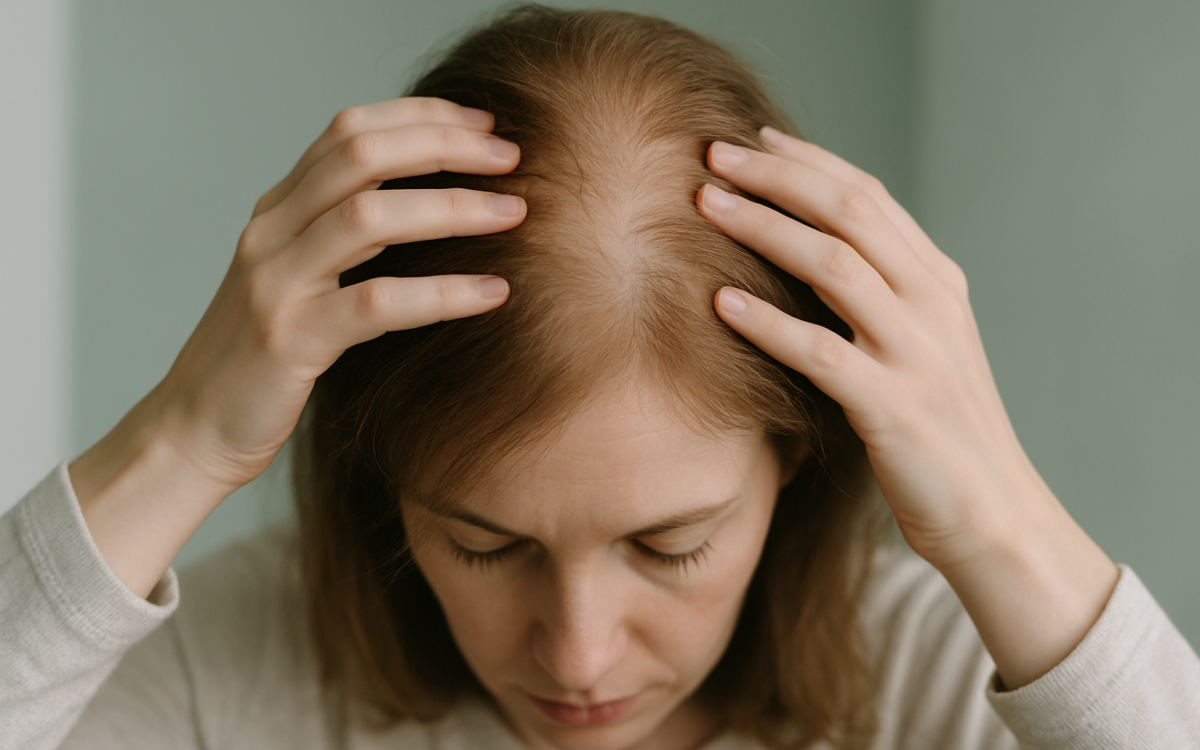
Many men experience thin hair at some point in their lives. It can be caused by a variety of factors, including genetics, health conditions, and even stress. While thin hair may seem like a minor issue, understanding the underlying reasons and taking proactive steps can significantly impact overall hair health and self-esteem. In this article, we will delve into what causes thin hair, effective management strategies, and when to seek professional help.
What Causes Thin Hair?
Thin hair can result from various factors, some of which may be controllable, while others are not. Here are the primary causes:
- Genetics: Heredity plays the most significant role in hair thinning. If your family has a history of hair loss, you may be more likely to experience it yourself.
- Hormonal changes: Hormonal fluctuations, particularly related to androgen levels, can shrink hair follicles and lead to thinner hair. This is common during and after puberty or as men age.
- Medical conditions: Certain conditions, such as thyroid disorders, alopecia areata, and scaliness from psoriasis, can affect hair health. For more detailed information, consider visiting the NIH.
- Nutrition: A diet lacking in essential nutrients like proteins, vitamins, and minerals can weaken hair and lead to thinning. It’s crucial to maintain a balanced diet rich in these nutrients.
- Stress: Chronic stress is another contributor to hair loss. It can push hair follicles into a resting phase, causing them to thin out or shed more than usual.
- Over-styling: Excessive heat, chemicals, and rigorous styling can damage hair strands, leading to breakage and thinning.
How to Assess Your Hair Health
Understanding the health of your hair involves more than just looking in the mirror. Here are some ways to evaluate whether your hair is thinning:
- Check your hairline: Pay attention to whether your hairline is receding or if there are visible spots where hair is thinner.
- Examine your hair strands: If you notice more than 100 strands falling out per day, or if hair appears thinner in some areas, this may indicate thinning.
- Scalp visibility: When your hair is pulled back, if you can see more of your scalp than usual, it may be a sign of thinning hair.
Effective Tips for Managing Thin Hair
Although you cannot change your genetics, there are ways to improve the appearance and health of your thin hair:
- Use gentle hair products: Avoid harsh chemicals that can strip your hair of its natural oils. Choose sulfate-free shampoos and conditioners designed for fine or thinning hair.
- Limit heat styling: If possible, reduce the use of hair dryers, curling wands, and straighteners. Opt for heat-free hairstyles when you can.
- Scalp care: Keep your scalp healthy by using oils or serums that nourish the hair follicles. Regular scalp massages can also stimulate blood circulation.
- Incorporate supplements: Biotin and omega-3 fatty acids may support hair health. Products like fish oil or multivitamins can help if your diet lacks essential nutrients.
- Stay hydrated: Water is crucial for maintaining healthy hair. Aim for at least 8 glasses a day to support overall health, including your hair.
- Embrace a new hairstyle: Shorter hair may appear thicker and fuller, so consider experimenting with a different cut that suits your hair type.
Diet and Lifestyle Changes for Thicker Hair
A healthy diet can be transformative for your hair. Consider these dietary tips:
- Protein-rich foods: Hair is made up of a protein called keratin. Ensure your diet includes plenty of lean meats, fish, eggs, nuts, and legumes.
- Vitamins and minerals: Iron, vitamin D, and zinc are vital for healthy hair. Foods like spinach, sweet potatoes, and fish can help provide these nutrients.
- Healthy fats: Include sources of omega-3 fatty acids, such as flaxseeds and avocados, to help maintain scalp health.
- Avoid fad diets: Skipping meals or drastically cutting calories can deprive your body of the nutrients it needs for optimal hair growth.
When to See a Doctor
If you notice significant or sudden hair thinning, or if you have accompanying symptoms like itching, redness on the scalp, or scalp pain, it’s important to consult a healthcare provider. They can help identify any underlying medical conditions and recommend appropriate treatments. Conditions requiring medical advice include:
- Hormonal imbalances
- Alopecia areata
- Other autoimmune diseases affecting hair
- Severe scalp conditions
Conclusion
Thin hair can be a concern for many men, but understanding its causes and exploring effective management strategies can mitigate its impact. By focusing on a balanced diet, gentle hair care, and healthy lifestyle choices, you can promote healthier hair growth and regain confidence. If you have persistent worries about your hair loss, don’t hesitate to seek professional advice to address your unique situation.
